
 2
Washing Produce: A Simple Step That Supports Athlete Health and Performance
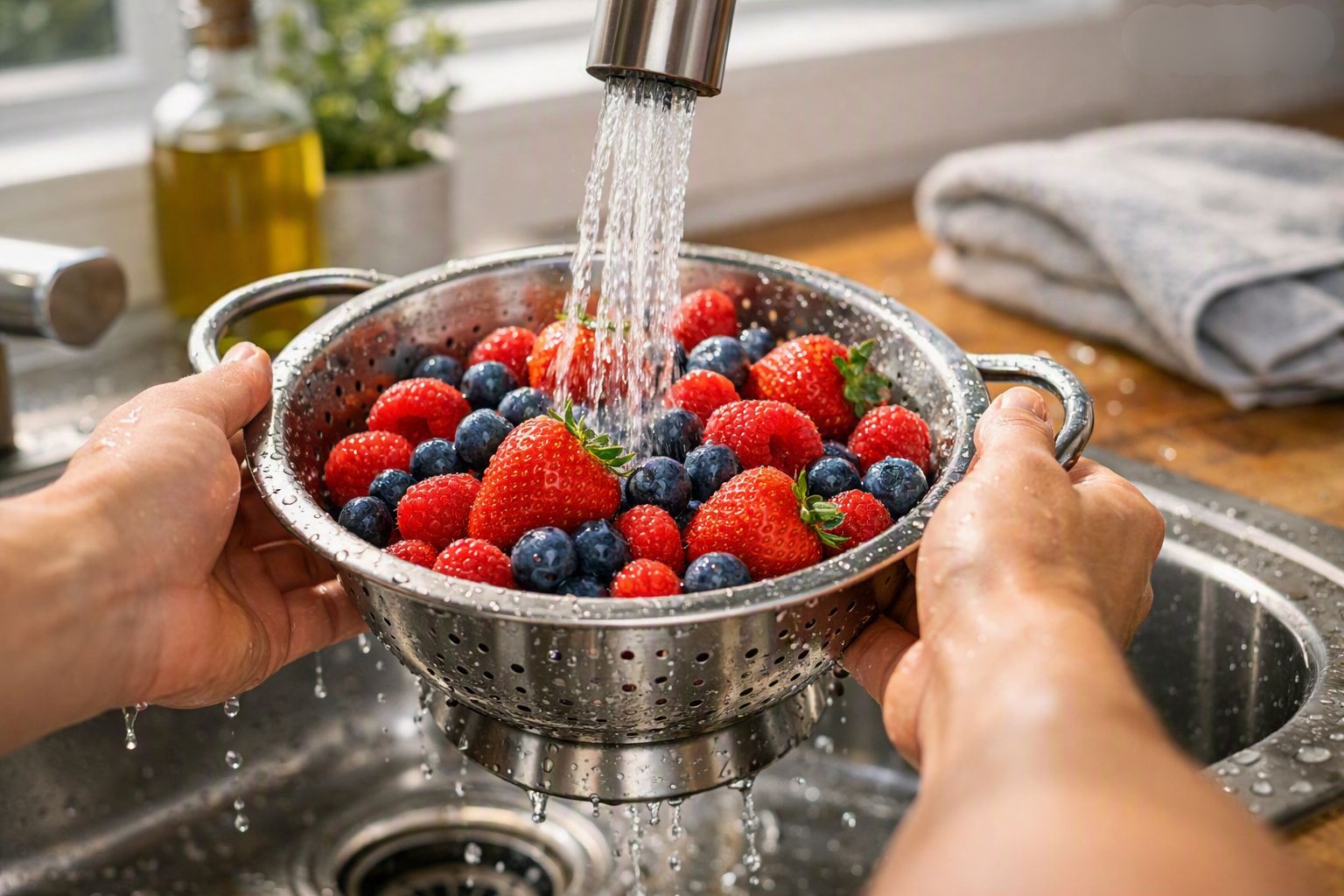
Washing produce might seem like a basic kitchen habit, but it’s one that often gets overlooked—especially for busy college athletes. Between practices, lifts, classes, and recovery, convenience usually wins. That means fruits and vegetables are sometimes eaten straight from the bag or package without being properly rinsed. While this may not always lead to immediate issues, unwashed produce can carry dirt, bacteria, or pesticide residues that athletes don’t want interfering with their health or training consistency.
 2
Making Smart Choices in the Dining Hall
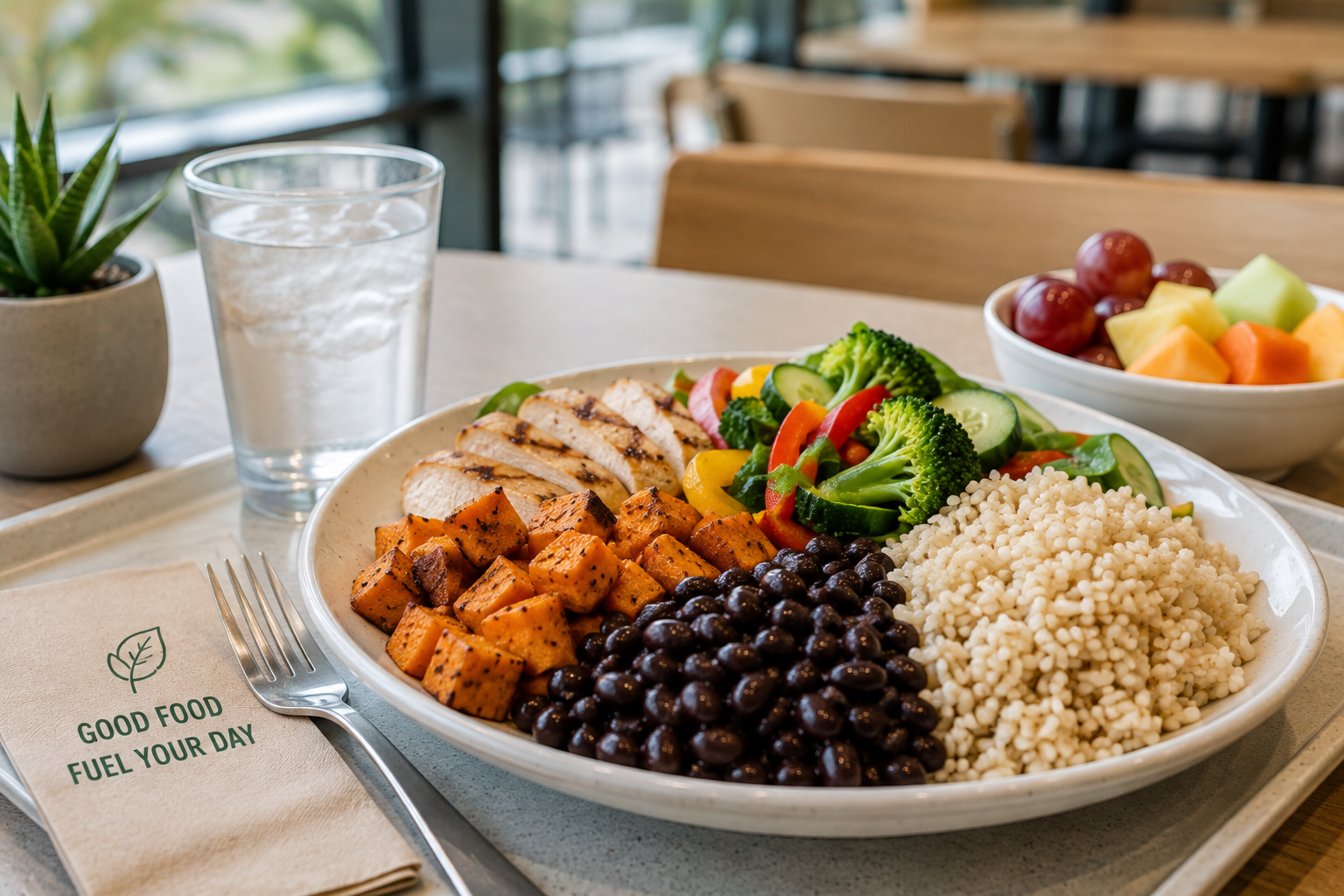
When you first go to college, the dining hall can be intimidating with the variety of food choices and places to eat breakfast, lunch, or dinner. With a few simple strategies, eating smart in the dining hall is very achievable while still enjoying your favorite meals and snacks!
 2
Sweeteners: What are the Different Types?
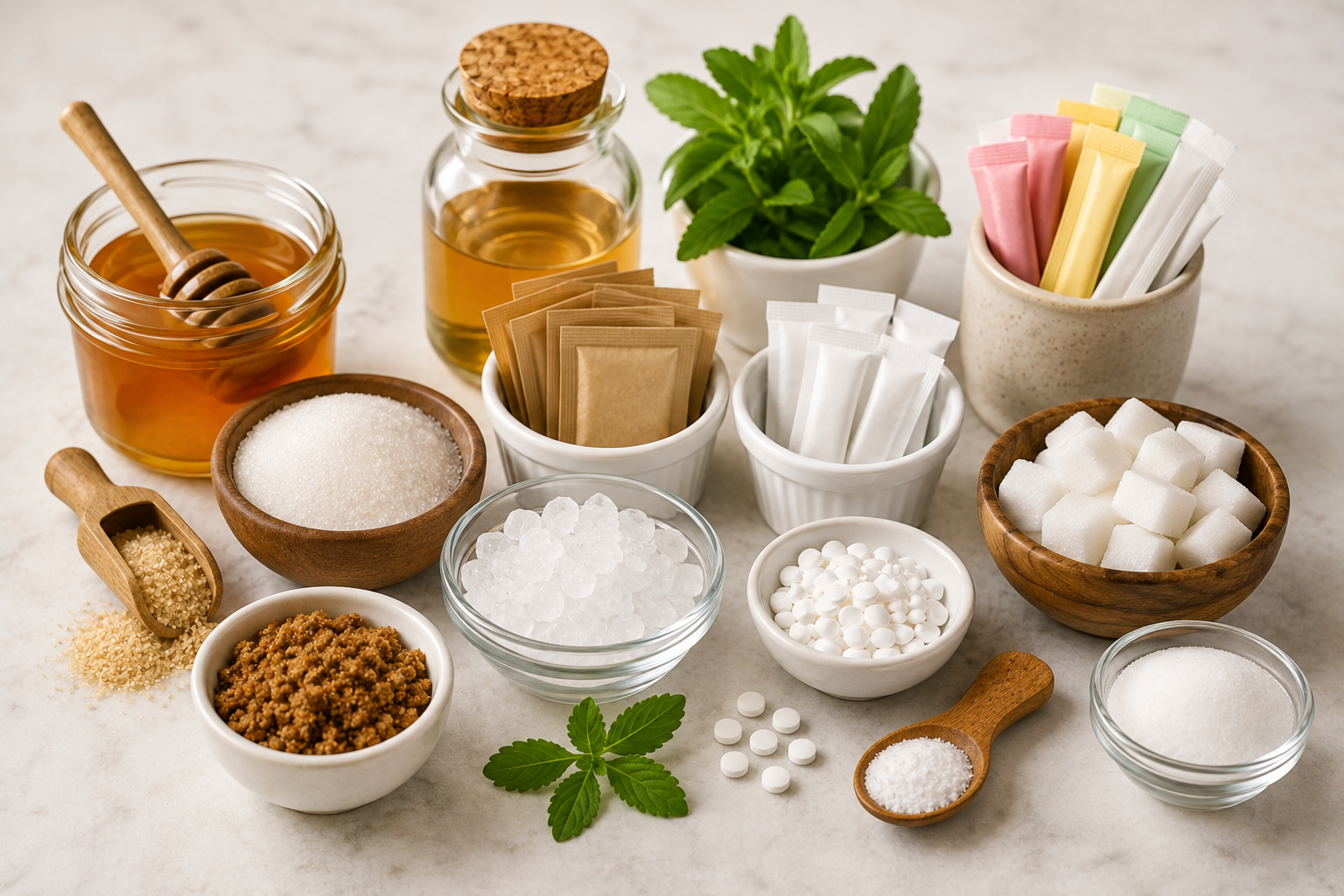
There are many types of sweeteners out there, and you may have come across a variety in your lifetime. But what are the differences between them? Are some better than others? From table sugar to honey to sucralose, sweeteners are found in baked goods, beverages, snacks, and many other foods. Understanding the different sweeteners out there can help you make informed decisions about which ones to choose and how they work in your body.
 2
Are Carbs Actually the Villain?
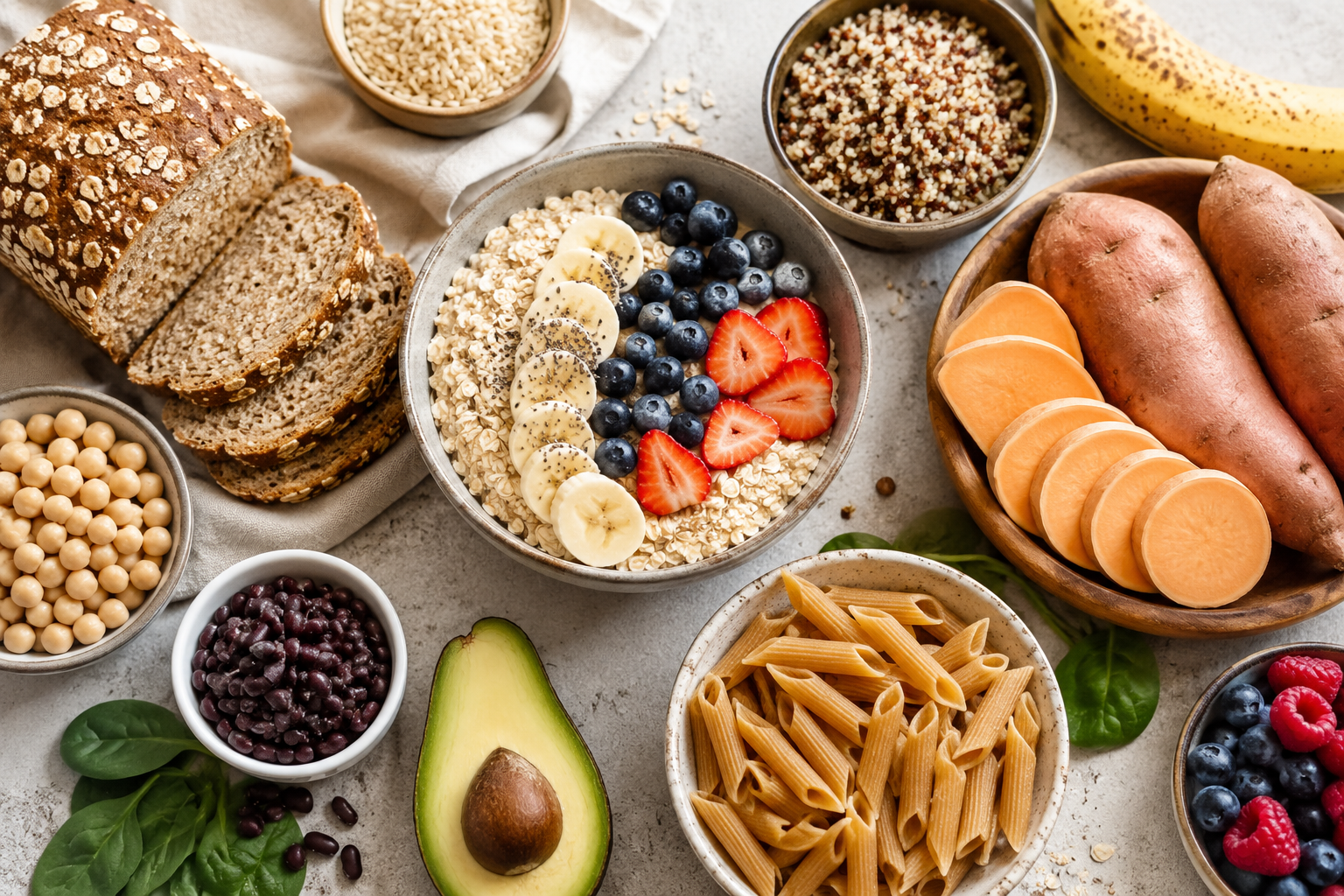
When we think of carbohydrates, many may think of processed foods like burgers, pastries, soda, etc. Even though those foods do consist of carbs, that doesn’t mean ALL carbs are bad for you! Take into account fruit, whole grains, vegetables, legumes, and more. These are also known as complex carbs, which provide our bodies with essential vitamins and minerals and help keep us satiated. On the other hand, simple and refined carbs are most likely found in sweets and processed foods. These do not contain as many nutrients; however, everything is good in moderation!
 2
The Internal Temperatures of Food
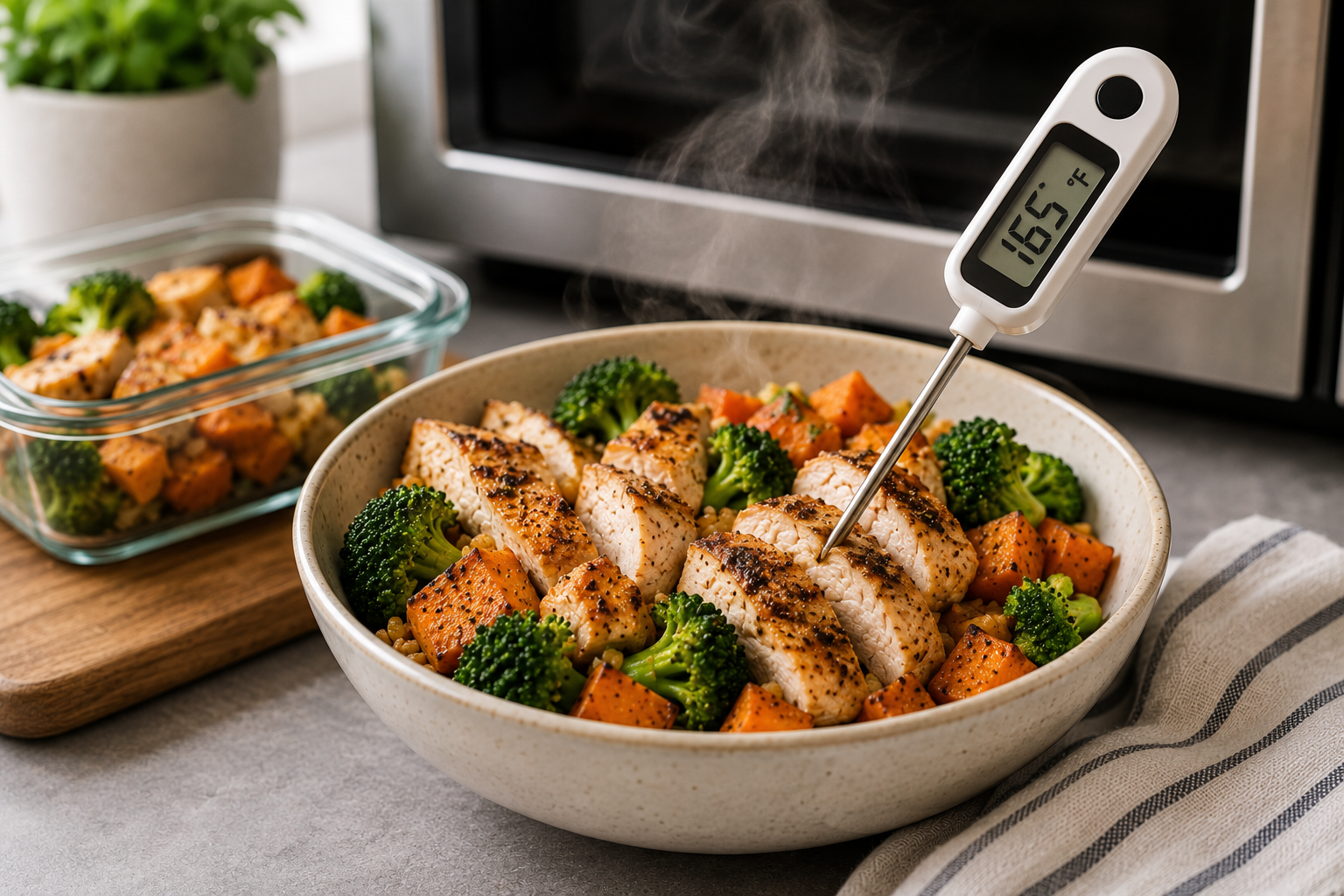
When cooking at home, many people rely solely on their eyes to determine whether a dish is fully cooked. However, the color and texture of the food do not always indicate that it is fully cooked. Using a meat thermometer can tell you the temperature of the food you are cooking, helping you determine if it is fully cooked. This is a very safe way to determine whether it is safe to eat, helping avoid food-related illnesses.
Poultry, seafood, eggs, and meats can contain harmful bacteria that, if eaten undercooked, can cause illness. This is why measuring the temperature of these foods is important for determining whether they are safe to consume.
 2
Stress and Digestion: Why Your Gut Feels Different During Busy Times
Stress doesn’t just affect your mind—it affects your gut, too. Understanding the connection between stress and digestion can help you recognize why your stomach may feel different during busy or high-pressure times. By prioritizing consistent fueling, hydration, sleep, and stress management, you’ll be supporting not only your digestive health but also your recovery and athletic performance.
2
The Starter Kit: Everything You Actually Need to Cook in a Dorm
Ever hear people talk about “counting their macros” and wonder what it all means? Macronutrients are the three main types of nutrients your body needs in large amounts to function correctly: carbohydrates, proteins, and fats. Understanding what they do can empower you to build a healthier, more balanced diet.
2
The Apartment Starter Kit: Upgrading Your Setup From Dorm to Real Kitchen
You have an actual kitchen now. Here’s how to use it without overcomplicating it. The goal is the same as it was in the dorm: a small, intentional setup that actually gets used. Just with a little more room to grow.
2
The Parent’s Checklist: How to Set Your Student Up Before You Leave
Move-in day is chaotic and the food conversation usually gets lost in the shuffle. Between hauling boxes, assembling furniture, and saying goodbye, nobody stops to talk about what your student is actually going to eat on Tuesday night when the dining hall is closed and they have no idea what to make. Here’s a simple way to make sure that conversation happens before you leave.
2
How to Shop Smart: Reading Unit Prices and Other Grocery Store Tricks
The biggest skill nobody teaches before college isn’t cooking, it’s grocery shopping. Walking into a store with a budget and walking out having actually stuck to it takes a little bit of strategy, and most of that strategy comes down to one small number most people walk right past: the unit price.
Course Catalog
Appetizer Recipes Bowl Meals Bread Recipes Breakfast Recipes Budget Friendly Meal Prep Campus Dining Hacks Comfort Food Recipes Cost Per Recipe Cost Per Serving Dessert Recipes Dip Recipes Dorm Cooking Drink Recipes Easy Protein Sources Eating on a Budget Food Labels Simplified Foundations General Nutrition Globally Inspired Recipes Gluten free Recipes Healthy Eating Holiday Recipes Hydration Main Dish Recipes Meal Prep Basics Meat Recipes Microwave Meal No-Cook Recipes Nutrition Basics One Pot Meals Pasta Recipes Pizza Recipes Quick Recipes Recovery Nutrition Salad Recipes Sandwich Recipes Sauce Recipes Seasonal Sheet Pan Meals Sleep & Nutrition Slow Cooker Recipes Snacks Sports Nutrition Study Fuel Supplements Sustainable Eating Vegetarian Recipes Viral Food Trends Weight Management Wellness