
Washing Produce: A Simple Step That Supports Athlete Health and Performance
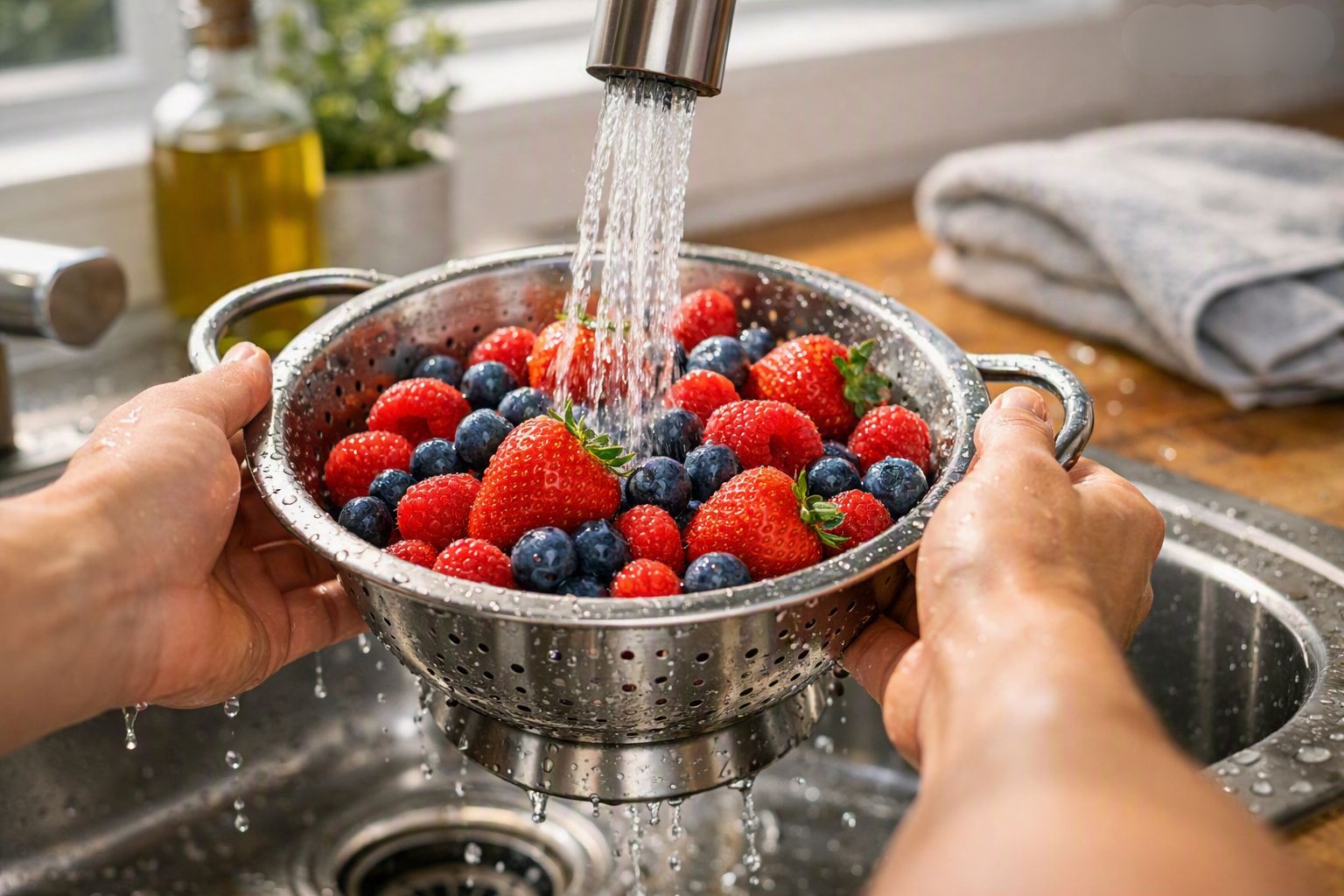
Washing produce might seem like a basic kitchen habit, but it’s one that often gets overlooked—especially for busy college athletes. Between practices, lifts, classes, and recovery, convenience usually wins. That means fruits and vegetables are sometimes eaten straight from the bag or package without being properly rinsed.
While this may not always lead to immediate issues, unwashed produce can carry dirt, bacteria, or pesticide residues that athletes don’t want interfering with their health or training consistency.
Why It Matters for Performance and Health
For athletes, small health disruptions can have a bigger impact than they seem. A stomach bug or mild foodborne illness can mean missed training sessions, poor sleep, decreased appetite, and reduced recovery quality.
Even less severe issues—like minor gastrointestinal discomfort—can affect how an athlete feels during practice or competition. When fueling is already tightly linked to performance, anything that interferes with digestion or nutrient absorption can matter.
Washing produce helps reduce the risk of consuming harmful bacteria and removes surface residues that can accumulate from handling, transportation, and storage.
How to Wash Produce the Right Way
The good news is that washing produce doesn’t need to be complicated or time-consuming. Most fruits and vegetables just need a thorough rinse under cool running water before eating or cooking.
For firmer produce like apples, cucumbers, or potatoes, gently rubbing the surface with your hands or a clean produce brush can help remove extra residue. For leafy greens, separating the layers and rinsing individually is the most effective approach.
It’s important to wash produce even if you plan to peel it, since cutting into unwashed skin can transfer bacteria into the edible portion.
Building the Habit into an Athlete’s Routine
Like hydration or meal prep, consistency is what makes this habit useful. Keeping a quick rinse step in your routine—right after grocery shopping or before packing meals—helps make it automatic.
For athletes with busy schedules, prepping washed and ready-to-eat produce ahead of time can also make it easier to grab snacks like grapes, berries, or sliced vegetables on the go.
The Bottom Line
Washing produce is a small step, but it supports overall health, reduces avoidable illness risk, and helps athletes stay consistent with training and recovery. In a high-performance environment, even simple habits like this can make a meaningful difference over time.
Disclaimer: The information in this article is for educational purposes only and is not intended as medical advice. Please consult a healthcare professional or registered dietitian before making any significant changes to your diet.
Extra Credit Reads
 2
The Beginner’s Guide to Macronutrients: Carbs, Proteins, and Fats
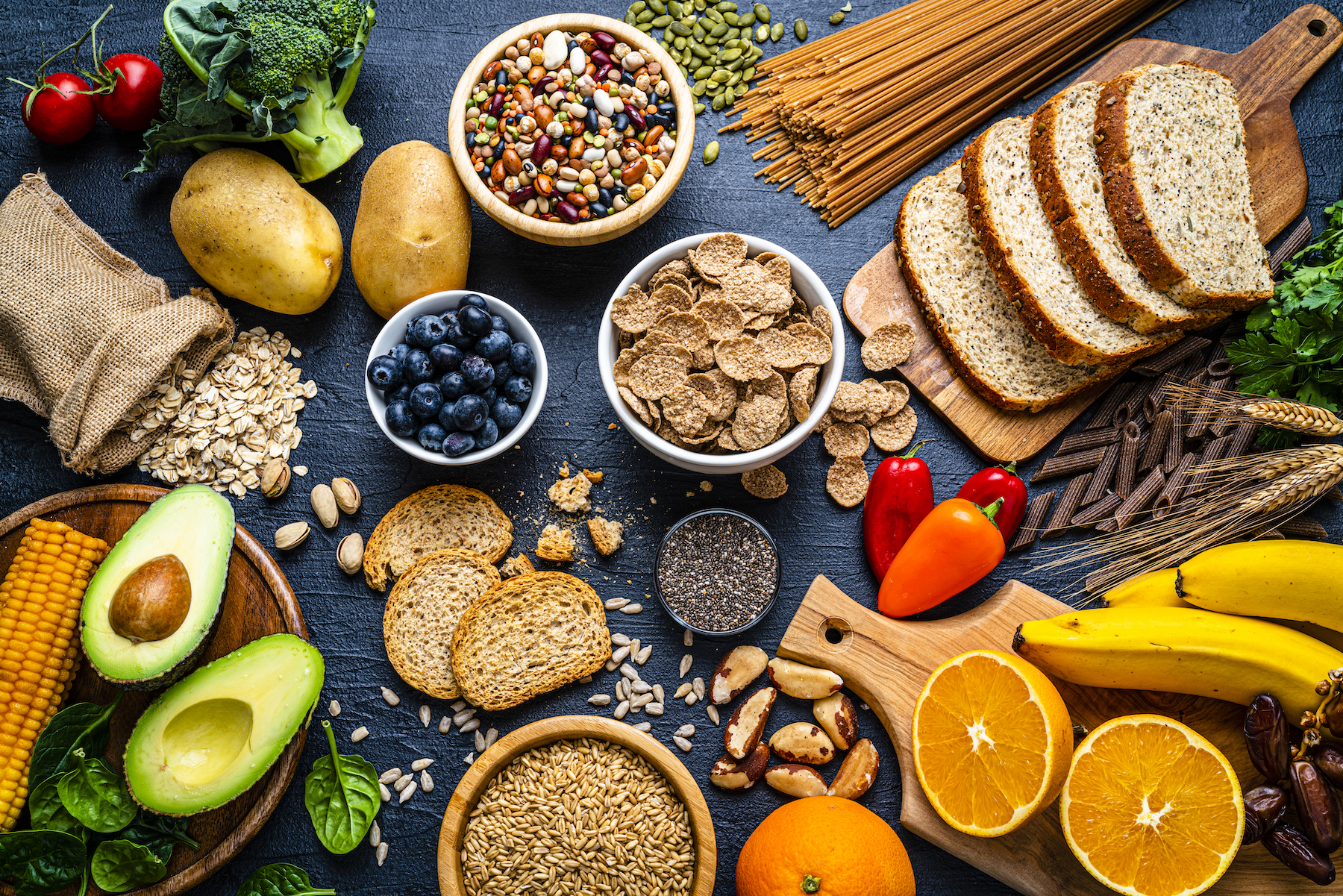
Ever hear people talk about “counting their macros” and wonder what it all means? Macronutrients are the three main types of nutrients your body needs in large amounts to function correctly: carbohydrates, proteins, and fats. Understanding what they do can empower you to build a healthier, more balanced diet.
2
Cooking for One in College: Why It Feels Hard and Why It Doesn’t Have To Be
Most recipes feed four. Most kitchen habits are built around a full fridge, a real stove, and someone who already knows what they’re doing. Nobody really teaches you how to cook for just yourself, and then suddenly you’re in a dorm room with a mini fridge, a microwave, and a dining hall swipe you forgot to use before it expired. For students, that first semester can feel like a crash course in figuring out how to actually feed yourself. For parents, it’s a different kind of worry: you spent years making sure there was always something in the fridge, and now you’re handing that over to someone who maybe made scrambled eggs once. This guide is for both of you.
 2
The Chicken Shredder: My Favorite Kitchen Tool for Fast, High-Protein Meals
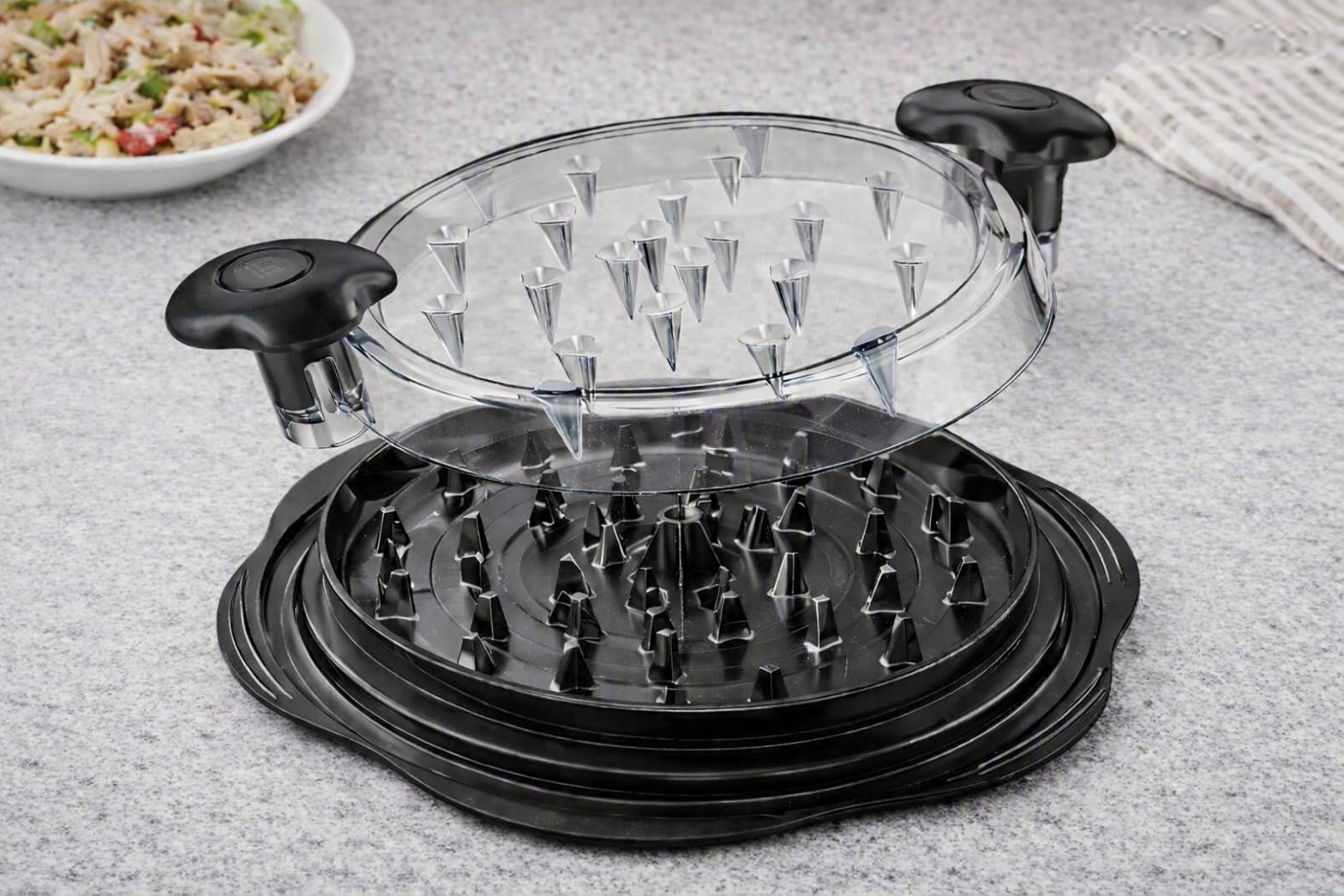
One of the most underrated challenges in athlete nutrition isn’t cooking the food—it’s making it convenient enough to actually stick with. That’s where the chicken shredder tool comes in. Instead of spending extra time using forks or waiting for meat to cool just enough to pull apart by hand, this tool turns cooked chicken into shredded, ready-to-use protein in seconds.
For busy college athletes, that time savings adds up quickly. Meal prep becomes less of a chore and more of a quick, repeatable system that supports consistent fueling.
 2
The Internal Temperatures of Food
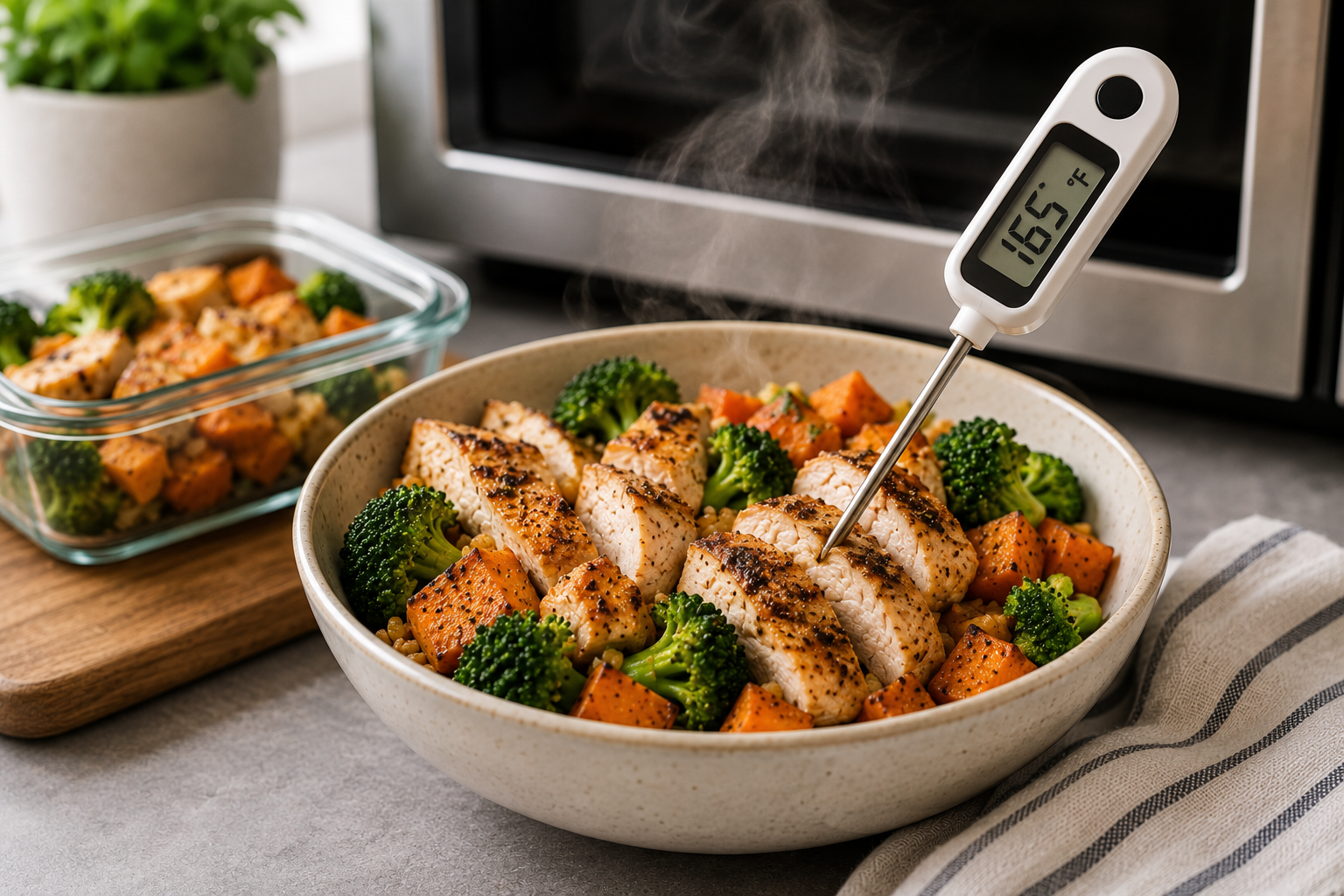
When cooking at home, many people rely solely on their eyes to determine whether a dish is fully cooked. However, the color and texture of the food do not always indicate that it is fully cooked. Using a meat thermometer can tell you the temperature of the food you are cooking, helping you determine if it is fully cooked. This is a very safe way to determine whether it is safe to eat, helping avoid food-related illnesses.
Poultry, seafood, eggs, and meats can contain harmful bacteria that, if eaten undercooked, can cause illness. This is why measuring the temperature of these foods is important for determining whether they are safe to consume.
Course Catalog
apartment cooking athlete nutrition avocado bacon Banana beginners beverage bread buffalo sauce caffeine cake Campus Dining Hacks carbohydrates cheese chia seeds Chicken chickpeas chocolate coconut oil coffee Dorm Cooking dorm cooking Easy Protein Sources Eating on a Budget eggs Featured Food Labels Simplified Food Safety Foundations General Nutrition Granola Greek yogurt healthy eating Hydration hydration macronutrients meal prep Meal Prep Basics milk Nutrition Basics oats Peanut butter pumpkin Reheating food Sports Nutrition sports nutrition Sugar Supplements supplements Wellness