
The Parent’s Checklist: How to Set Your Student Up Before You Leave
How to Set Your Student Up Before You Leave
Move-in day is chaotic, and the conversation about food usually gets lost in the shuffle. Between hauling boxes, assembling furniture, and saying goodbye, nobody stops to talk about what your student is actually going to eat on Tuesday night when the dining hall is closed, and they have no idea what to make. Here’s a simple way to make sure that conversation happens before you leave.
Before You Leave Campus
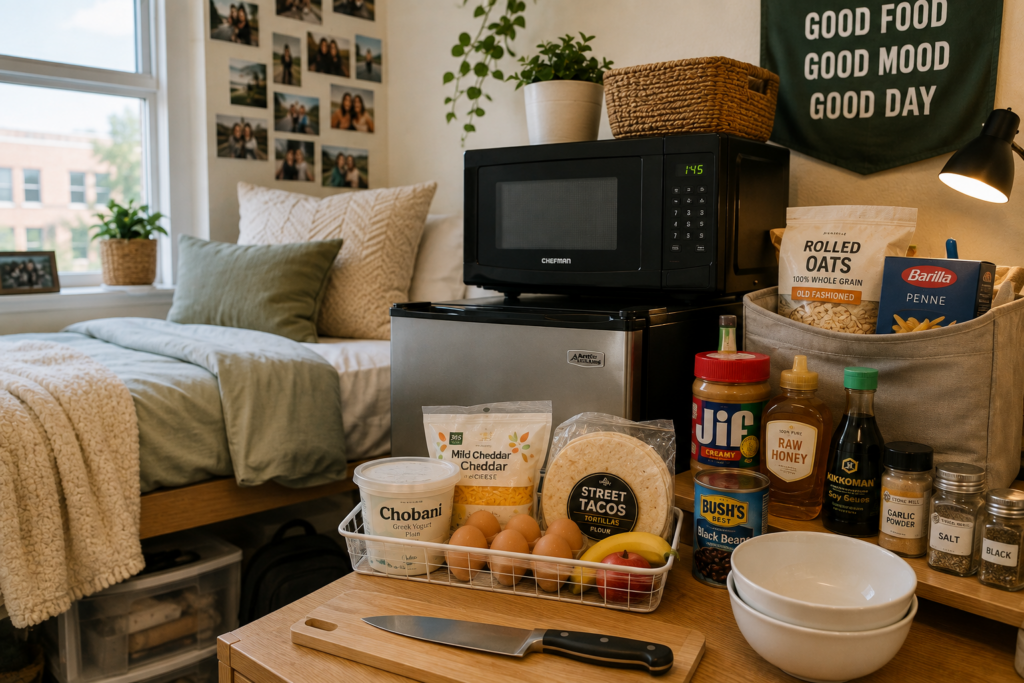
The most effective thing you can do in the first hour is stock the basics. A mini fridge with eggs, Greek yogurt, shredded cheese, tortillas, and a piece of fruit or two gives your student something real to reach for from day one. Leave a small pantry kit alongside it, oats, pasta, canned beans, soy sauce, garlic powder, salt, and pepper cover most of what they’ll need to put a meal together without a recipe.
On the equipment side, make sure they have at least a sharp knife, a cutting board, and a microwave-safe bowl with a lid. Those three things alone make the difference between actually cooking and just giving up and ordering something.
For the First Care Package
Once they’re settled in, a care package built around food goes further than almost anything else you can send. Nut butter, honey, hot sauce, and a few packets of instant oatmeal all travel well, last a long time, and get used fast. If you want to send one bigger item, a single-serve blender is one of the most useful dorm gifts out there, compact, practical, and used daily for smoothies, sauces, and protein shakes.
The Conversation Worth Having
Before you leave, skip the lecture about eating healthy. Instead, try something simpler: ask them what three meals they actually like and figure out together whether they know how to make any of them. It shifts the dynamic from nagging to collaborating, and they’re far more likely to cook something if the starting point is their own idea. The goal isn’t a perfect diet. It’s making sure they have enough of the right things around that grabbing something real is always easier than skipping a meal entirely.
Browse our full collection of beginner recipes to find meals built around exactly what you just stocked. [link to recipes here]
Extra Credit Reads
 2
The Apartment Tools Worth Owning (And the One I’d Never Cook Without)
You don’t need a drawer full of gadgets to cook well in an apartment. Most of what you’ll actually reach for from week to week is a short list of simple, durable tools, and one of them, a wooden spoon, ends up doing more work than almost anything else in the kitchen.
2
Washing Produce: A Simple Step That Supports Athlete Health and Performance
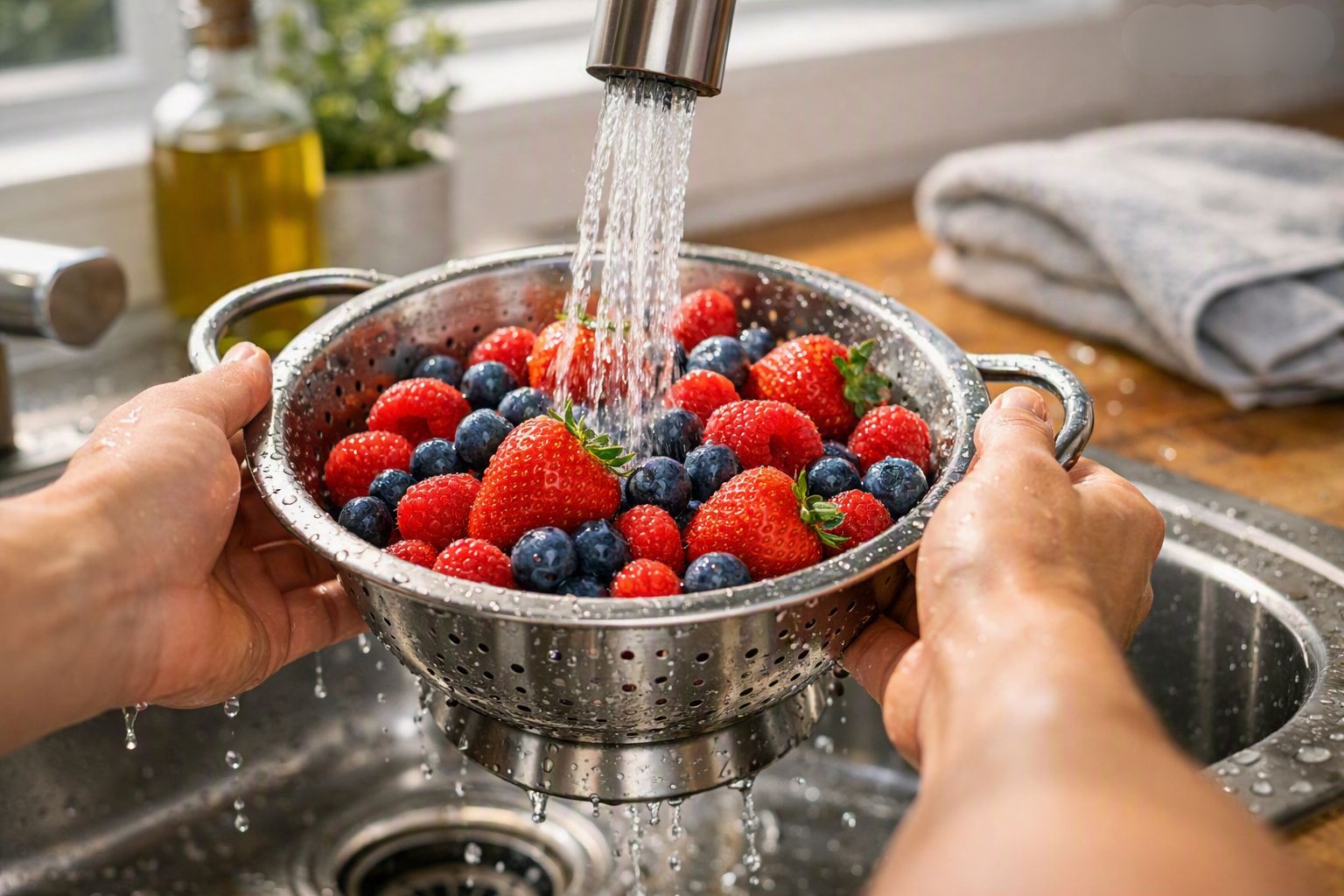
Washing produce might seem like a basic kitchen habit, but it’s one that often gets overlooked—especially for busy college athletes. Between practices, lifts, classes, and recovery, convenience usually wins. That means fruits and vegetables are sometimes eaten straight from the bag or package without being properly rinsed. While this may not always lead to immediate issues, unwashed produce can carry dirt, bacteria, or pesticide residues that athletes don’t want interfering with their health or training consistency.
2
The Starter Kit: Everything You Actually Need to Cook in a Dorm
Ever hear people talk about “counting their macros” and wonder what it all means? Macronutrients are the three main types of nutrients your body needs in large amounts to function correctly: carbohydrates, proteins, and fats. Understanding what they do can empower you to build a healthier, more balanced diet.
 2
The Internal Temperatures of Food
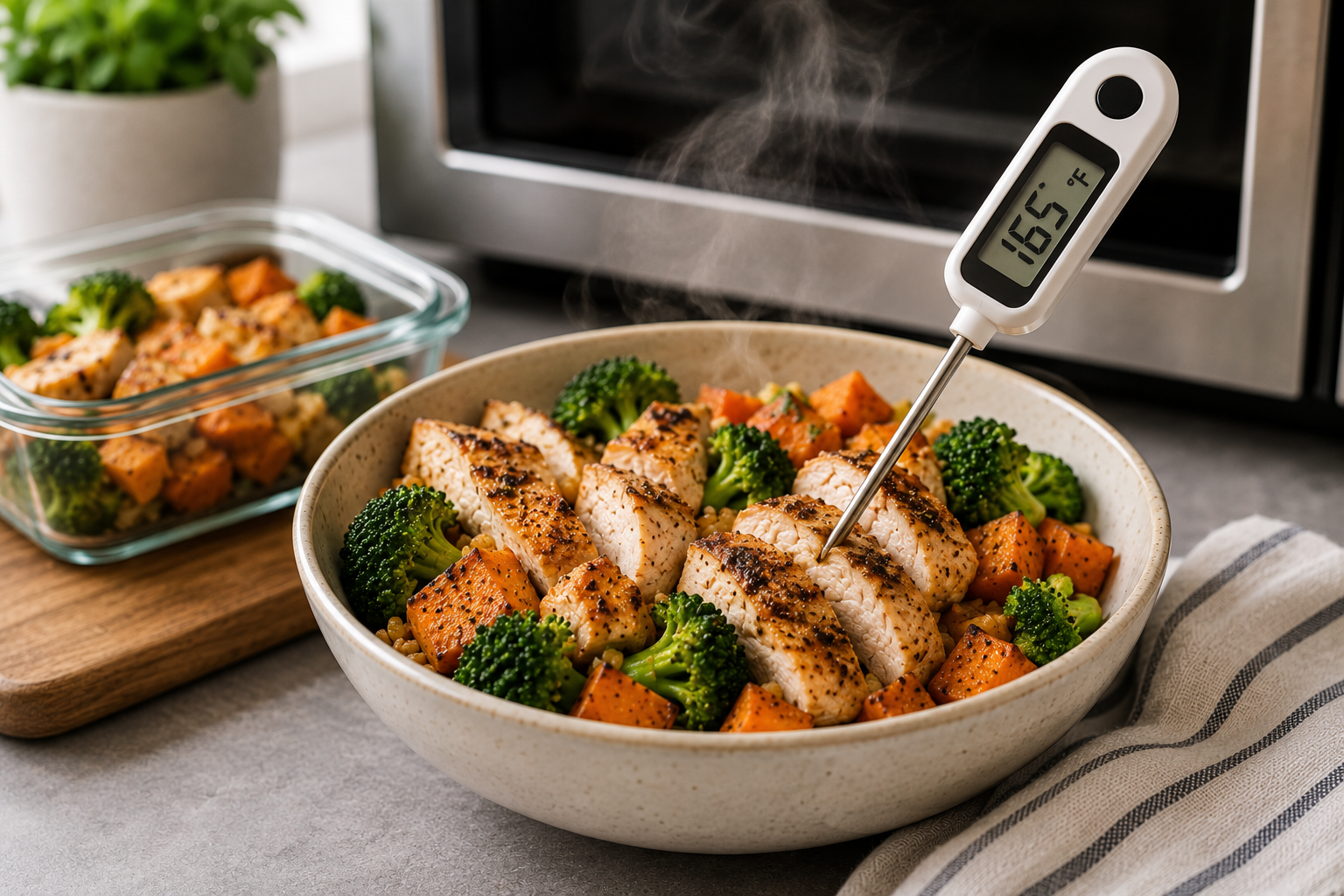
When cooking at home, many people rely solely on their eyes to determine whether a dish is fully cooked. However, the color and texture of the food do not always indicate that it is fully cooked. Using a meat thermometer can tell you the temperature of the food you are cooking, helping you determine if it is fully cooked. This is a very safe way to determine whether it is safe to eat, helping avoid food-related illnesses.
Poultry, seafood, eggs, and meats can contain harmful bacteria that, if eaten undercooked, can cause illness. This is why measuring the temperature of these foods is important for determining whether they are safe to consume.
Course Catalog
apartment cooking athlete nutrition avocado bacon Banana beginners beverage bread buffalo sauce caffeine cake Campus Dining Hacks carbohydrates cheese chia seeds Chicken chickpeas chocolate coconut oil coffee Dorm Cooking dorm cooking Easy Protein Sources Eating on a Budget eggs Featured Food Labels Simplified Food Safety Foundations General Nutrition Granola Greek yogurt healthy eating Hydration hydration macronutrients meal prep Meal Prep Basics milk Nutrition Basics oats Peanut butter pumpkin Reheating food Sports Nutrition sports nutrition Sugar Supplements supplements Wellness