
 2
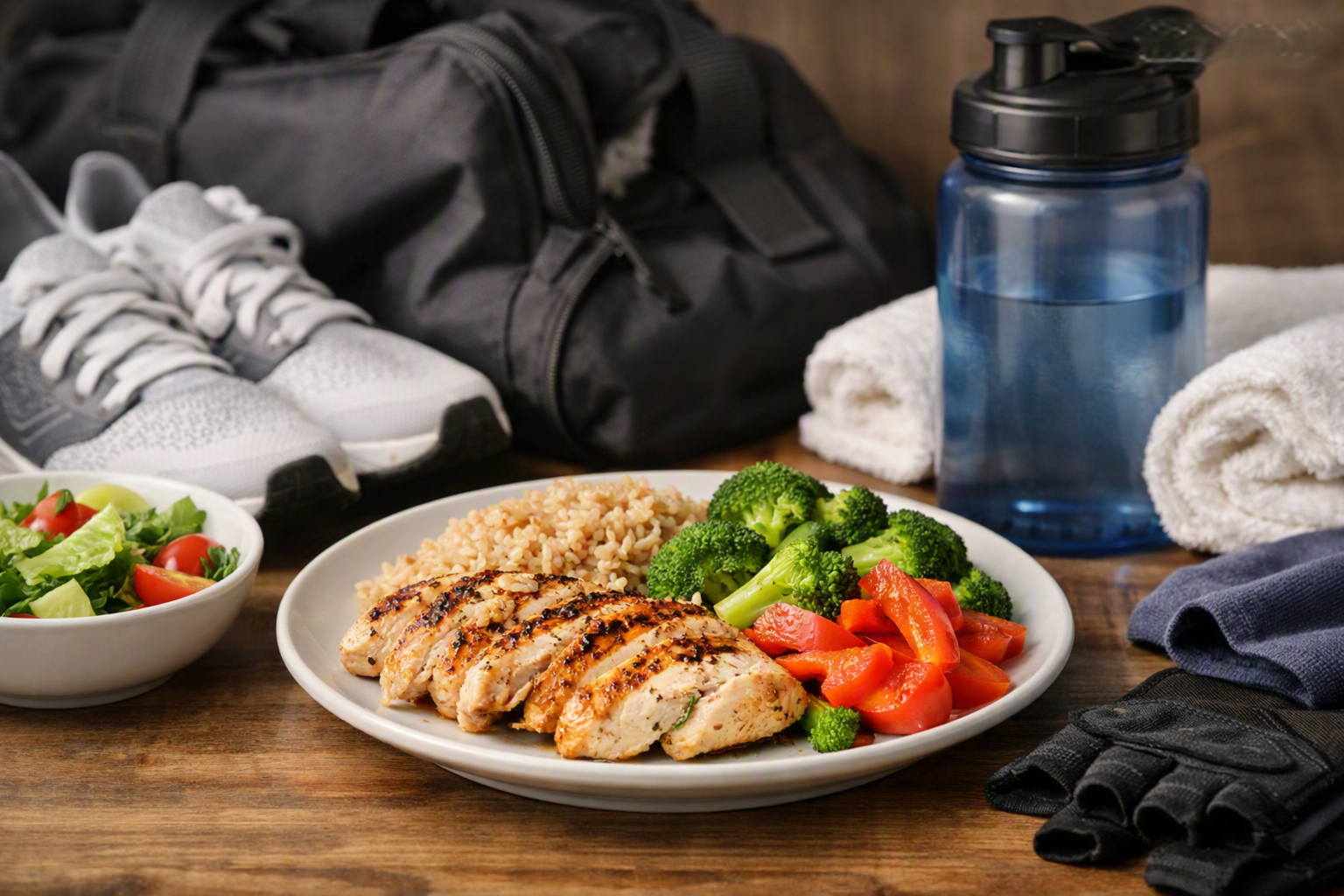
Food First: Why College Athletes Need a Foundation Before Supplements
Walk through any college weight room, and you’ll see it. Shaker bottles are lined up on the floor. Athletes compare pre-workouts before practice. Someone is talking about a new recovery powder they saw on social media. Another teammate swore that a certain supplement changed everything for their performance.
 2
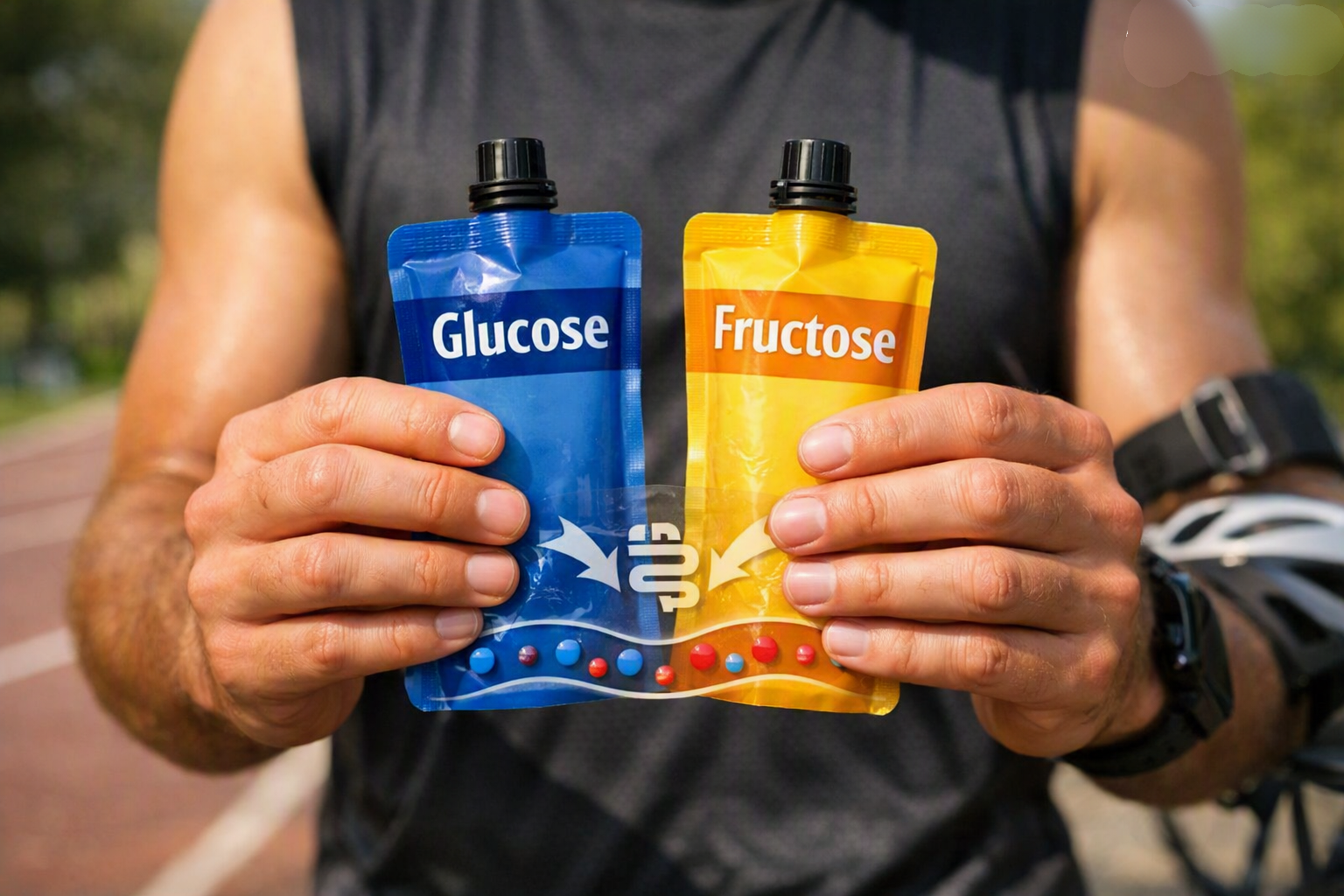
Glucose vs. Fructose: Why Carbohydrate Ratios Matter for Gut Comfort During Exercise
For many athletes, performance doesn’t break down because of fitness—it breaks down because of the gut. Cramping, bloating, nausea, or that uncomfortable “sloshing” feeling during training or competition is often related to how carbohydrates are absorbed, not just how much is being consumed.
 2
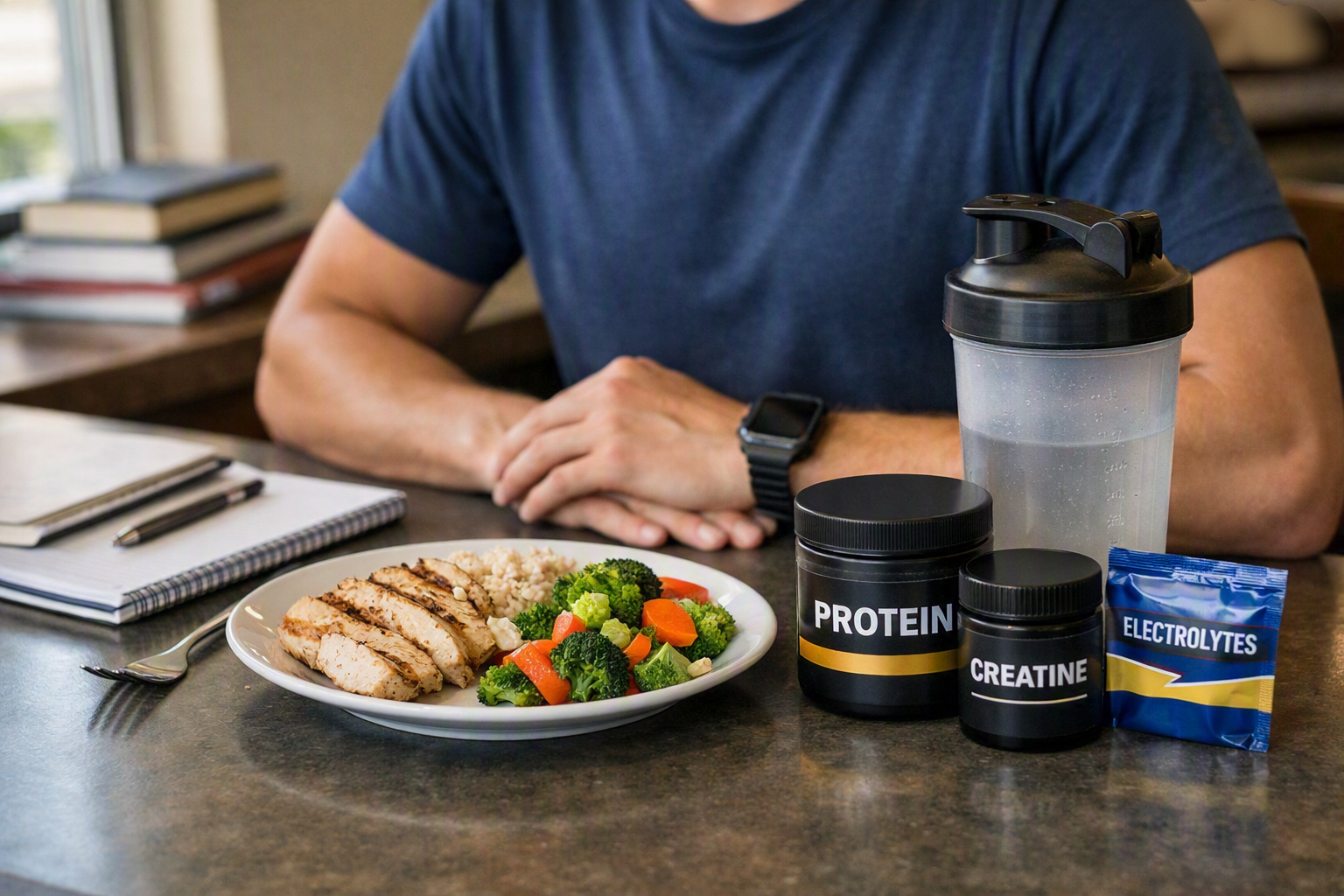
When Supplements Actually Make Sense for Athletes
Supplements are meant to supplement a solid nutrition plan, not replace one. Food is still the foundation of performance. Once athletes are consistently fueling well, supplements can have a small, supportive role in specific situations.
 2
Stress and Digestion: Why Your Gut Feels Different During Busy Times
Stress doesn’t just affect your mind—it affects your gut, too. Understanding the connection between stress and digestion can help you recognize why your stomach may feel different during busy or high-pressure times. By prioritizing consistent fueling, hydration, sleep, and stress management, you’ll be supporting not only your digestive health but also your recovery and athletic performance.
 3
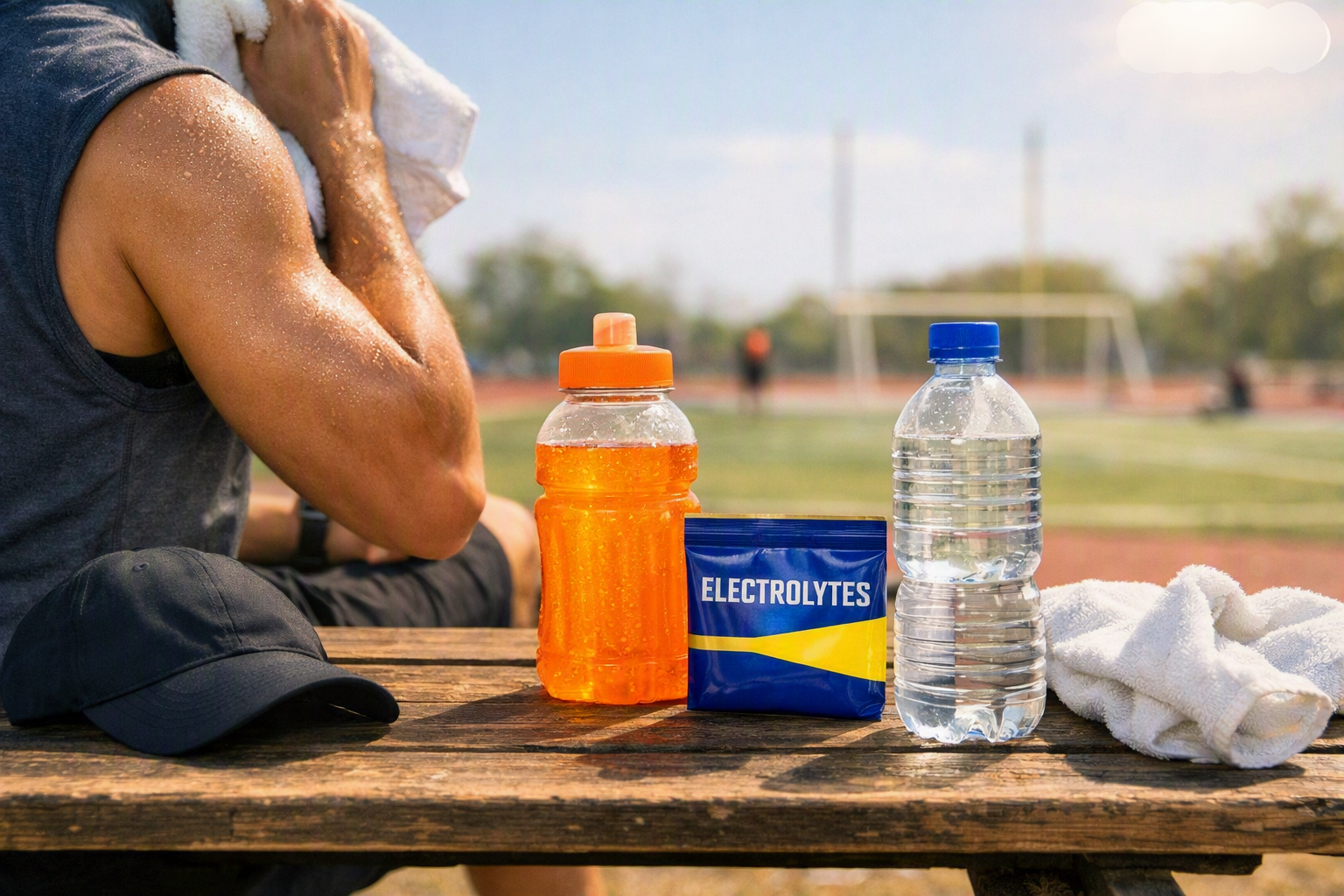
Who Really Needs Electrolytes?
Electrolytes, mainly sodium, potassium, magnesium, and calcium, help regulate fluid balance, nerve signaling, and muscle contractions. They are lost through sweat, which is why they become relevant during longer or more intense training sessions. The important distinction is that electrolyte needs are based on sweat loss, not sport participation, age, or how hard you feel like you’re working.
Course Catalog
Appetizer Recipes Bowl Meals Bread Recipes Breakfast Recipes Budget Friendly Meal Prep Campus Dining Hacks Comfort Food Recipes Cost Per Recipe Cost Per Serving Dessert Recipes Dip Recipes Dorm Cooking Drink Recipes Easy Protein Sources Eating on a Budget Food Labels Simplified Foundations General Nutrition Globally Inspired Recipes Gluten free Recipes Healthy Eating Holiday Recipes Hydration Main Dish Recipes Meal Prep Basics Meat Recipes Microwave Meal No-Cook Recipes Nutrition Basics One Pot Meals Pasta Recipes Pizza Recipes Quick Recipes Recovery Nutrition Salad Recipes Sandwich Recipes Sauce Recipes Seasonal Sheet Pan Meals Sleep & Nutrition Slow Cooker Recipes Snacks Sports Nutrition Study Fuel Supplements Sustainable Eating Vegetarian Recipes Viral Food Trends Weight Management Wellness