Making Smart Choices in the Dining Hall
When you first go to college, the dining hall can be intimidating with the variety of food choices and places to eat breakfast, lunch, or dinner. With a few simple strategies, eating smart in the dining hall is very achievable while still enjoying your favorite meals and snacks!
The Plate Method:
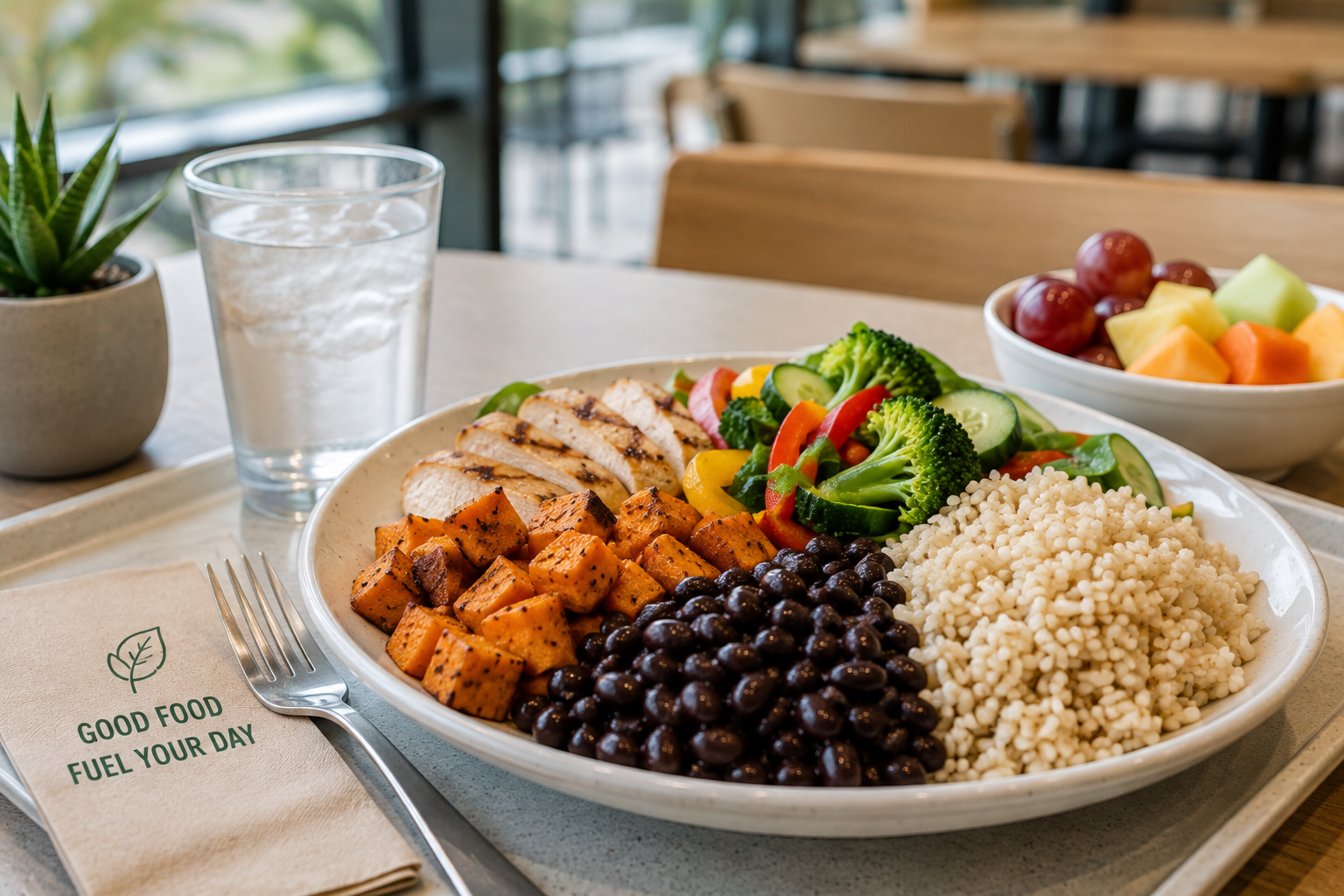
An easy way to build a balanced meal is by using the plate method. This method shows how you can fill your plate with vegetables, protein, and grains. You can start by filling half your plate with vegetables, which provide fiber and essential vitamins. Then, one quarter of your plate can be filled with a lean protein. Some examples include grilled chicken, fish, tofu, beans, and eggs! Lastly, fill the last quarter of your plate with grains, such as potatoes, brown rice, quinoa, and more. By using this approach in the dining hall, you can create a satisfying, healthy, and nutritious meal.
Protein:
Having a good source of protein in your meals is very important for staying satiated after you eat. It gives you energy throughout your day while supporting recovery and muscle growth. As mentioned above, protein sources include grilled chicken, fish, beans, tofu, Greek yogurt, cottage cheese, and more. Pairing one protein with carbohydrates, healthy fats, and veggies keeps you satisfied.
Plan Ahead:
Before you go to the dining hall, it may be easier to look at the menu to see what options are available. This can help alleviate the overwhelming feeling of entering the dining hall not knowing what to get or what’s available. This can help students prepare and avoid making decisions while hungry.
Sweets:
The dining halls usually have lots of fun, yummy desserts, and eating healthy does not mean you have to avoid these foods; everything is good in moderation. Building these sustainable habits can be way more effective than having a restrictive diet.
On the Go:
College is busy for almost all students, which can make it hard to find time to sit down and eat a meal. Many dining options offer pre-packaged meals or snacks, which can be a quick and easy choice on busy days. Examples of snacks include yogurt, apples with peanut butter, veggies with hummus, and snack boxes with grapes, cheese, and crackers. This can also prevent energy crashes while in class, keeping you fueled and focused.
The Bottom Line:
Eating in the dining hall does not have to be difficult or overwhelming, although it may seem that way at first. With the plate method, planning, choosing convenient snacks, and enjoying sweets, students can create a healthy, balanced meal while still enjoying their favorite foods!
Disclaimer: The information in this article is for educational purposes only and is not intended as medical advice. Please consult a healthcare professional or registered dietitian before making any significant changes to your diet.
Extra Credit Reads
 2
Food First: Why College Athletes Need a Foundation Before Supplements
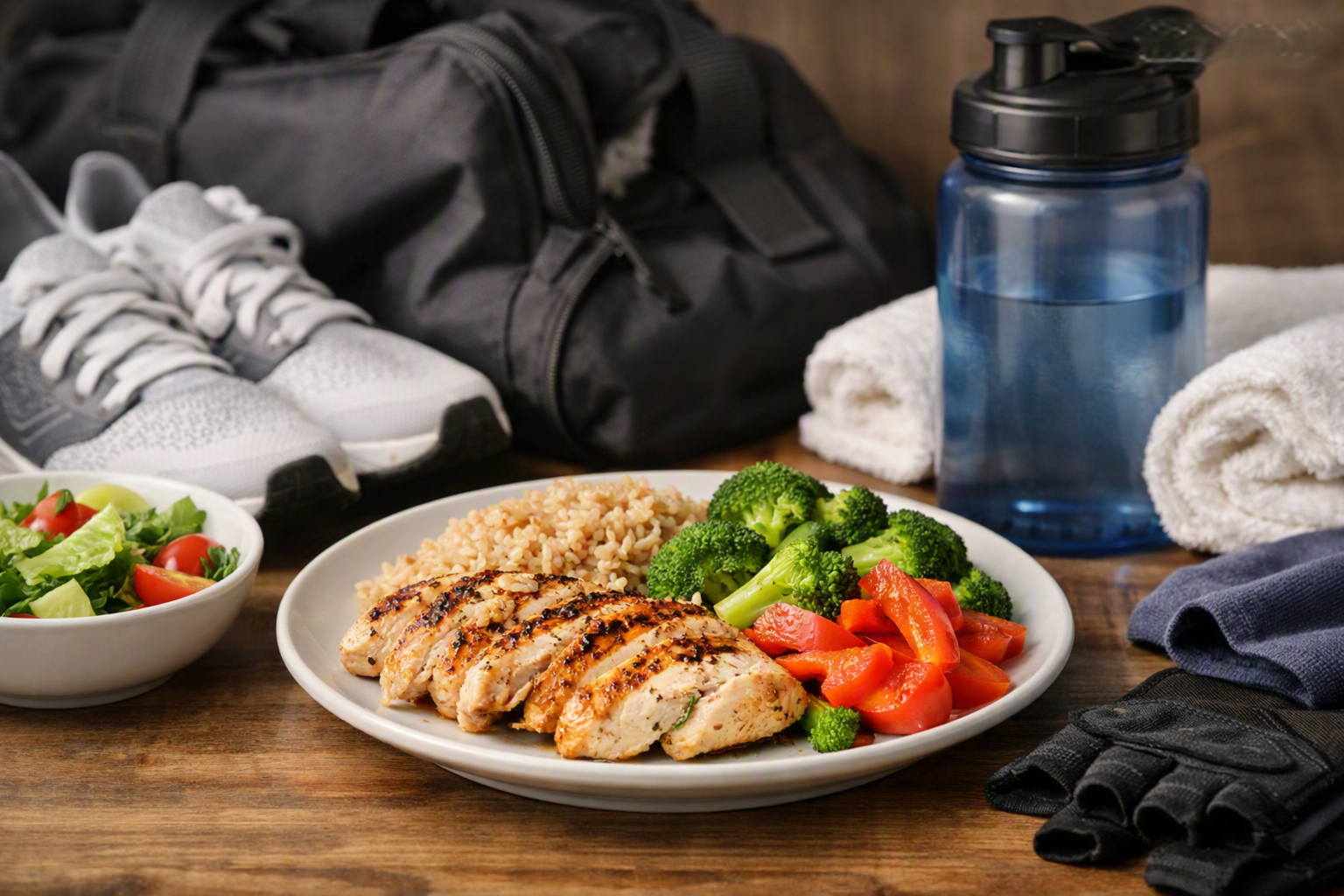
Walk through any college weight room, and you’ll see it. Shaker bottles are lined up on the floor. Athletes compare pre-workouts before practice. Someone is talking about a new recovery powder they saw on social media. Another teammate swore that a certain supplement changed everything for their performance.
 2
The Splurge That’s Actually Worth It: Why the Ninja Creami Belongs in Your Apartment
Most of the tools on this site are intentionally inexpensive: a wooden spoon, a sharp knife, and a good pan. But every so often, a kitchen gadget comes along that’s worth treating as an investment instead of a basic. The Ninja Creami is that gadget.
2
Washing Produce: A Simple Step That Supports Athlete Health and Performance
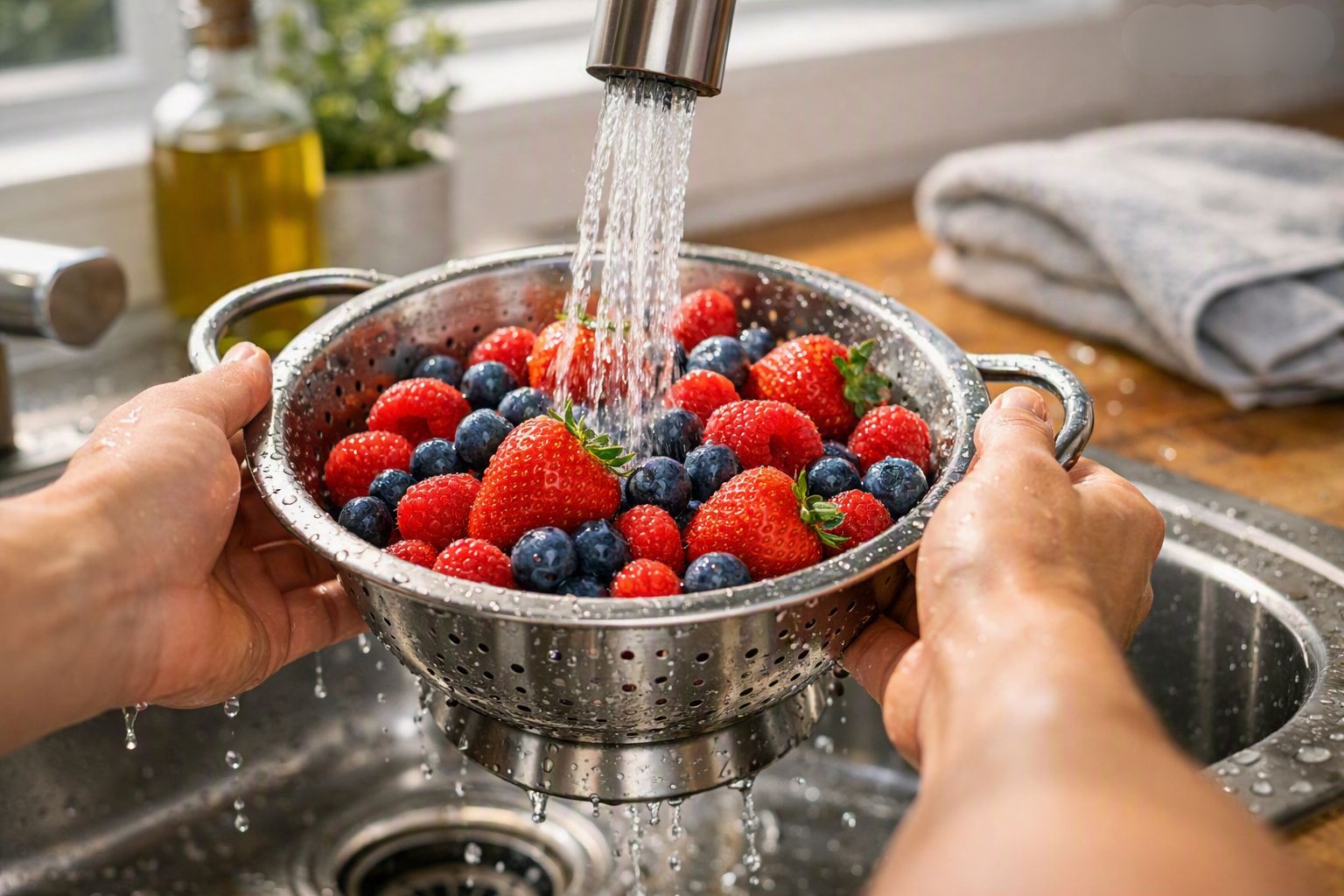
Washing produce might seem like a basic kitchen habit, but it’s one that often gets overlooked—especially for busy college athletes. Between practices, lifts, classes, and recovery, convenience usually wins. That means fruits and vegetables are sometimes eaten straight from the bag or package without being properly rinsed. While this may not always lead to immediate issues, unwashed produce can carry dirt, bacteria, or pesticide residues that athletes don’t want interfering with their health or training consistency.
2
Cooking for One in College: Why It Feels Hard and Why It Doesn’t Have To Be
Most recipes feed four. Most kitchen habits are built around a full fridge, a real stove, and someone who already knows what they’re doing. Nobody really teaches you how to cook for just yourself, and then suddenly you’re in a dorm room with a mini fridge, a microwave, and a dining hall swipe you forgot to use before it expired. For students, that first semester can feel like a crash course in figuring out how to actually feed yourself. For parents, it’s a different kind of worry: you spent years making sure there was always something in the fridge, and now you’re handing that over to someone who maybe made scrambled eggs once. This guide is for both of you.
Course Catalog
apartment cooking athlete nutrition avocado bacon Banana beginners beverage bread buffalo sauce caffeine cake Campus Dining Hacks carbohydrates cheese chia seeds Chicken chickpeas chocolate coconut oil coffee Dorm Cooking dorm cooking Easy Protein Sources Eating on a Budget eggs Featured Food Labels Simplified Food Safety Foundations General Nutrition Granola Greek yogurt healthy eating Hydration hydration macronutrients meal prep Meal Prep Basics milk Nutrition Basics oats Peanut butter pumpkin Reheating food Sports Nutrition sports nutrition Sugar Supplements supplements Wellness