
The Internal Temperatures of Food
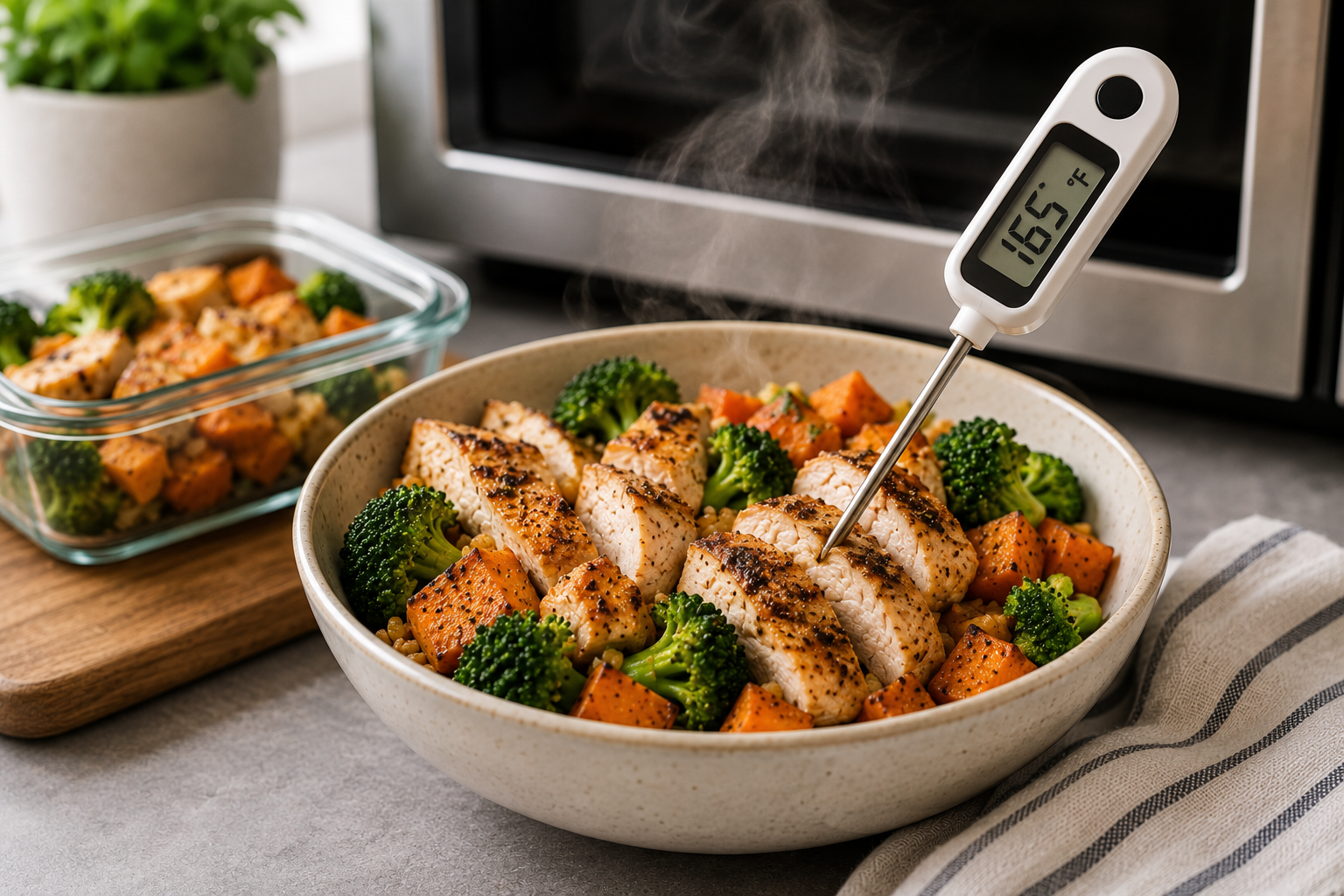
When cooking at home, many people rely solely on their eyes to determine whether a dish is fully cooked. However, the color and texture of the food do not always indicate that it is fully cooked. Using a meat thermometer can tell you the temperature of the food you are cooking, helping you determine if it is fully cooked. This is a very safe way to determine whether it is safe to eat, helping avoid food-related illnesses.
Poultry, seafood, eggs, and meats can contain harmful bacteria that, if eaten undercooked, can cause illness. This is why measuring the temperature of these foods is important for determining whether they are safe to consume.
What Are the Ideal Temperatures?
- Poultry (chicken, duck, turkey) → 165°F
- Seafood (fish, shellfish) → 145°F
- Eggs (casseroles, quiche) → 160°F
- Beef, Pork, Lamb, Veal → 145°F + 3-minute rest
- Ham, uncooked (fresh, smoked) → 160°F
- Vegetables / hot holding → 135°F
As you can see, different foods require different internal temperatures to be safe for consumption. It is important to keep these in mind when cooking with your favorite foods!
Reheating Food:
It is important to note that the temperature of the food product is equally important when reheating leftovers. Make sure that the internal temperature of the food is 165°F before consuming. This helps destroy any harmful bacteria that may have grown during storage. To check, use a thermometer to check the thickest part of the food. If reheating in a microwave, rotating the food can help cook it more evenly.
The Temperature Danger Zone
Bacteria grow most rapidly between 40°F and 140°F. How exactly can you keep foods out of the danger zone? Well, if the food’s temperature is above 90°F, it should not be left out at room temperature for more than 1 hour. You should never leave food out for more than 2 hours to keep it safe.
How should I use the Thermometer?
When using a meat thermometer, you must know exactly where to insert it in the food. Insert the thermometer into the thickest part of the product, avoiding any fat or bones. For larger items, such as roasts or chickens, insert the thermometer into several spots in the meat to ensure even cooking (Link to Meat Thermometer).
Remember that when in doubt, use a thermometer! It is very helpful in ensuring your safety and in avoiding raw or undercooked meat. A few seconds of temperature checking prevent foodborne illness and promote safe food preparation!
Disclaimer: The information in this article is for educational purposes only and is not intended as medical advice. Please consult a healthcare professional or registered dietitian before making any significant changes to your diet.
Extra Credit Reads
 2
Electrolytes 101: How to Choose the Right One
Ever hear people talk about “counting their macros” and wonder what it all means? Macronutrients are the three main types of nutrients your body needs in large amounts to function correctly: carbohydrates, proteins, and fats. Understanding what they do can empower you to build a healthier, more balanced diet.
 2
The Splurge That’s Actually Worth It: Why the Ninja Creami Belongs in Your Apartment
Most of the tools on this site are intentionally inexpensive: a wooden spoon, a sharp knife, and a good pan. But every so often, a kitchen gadget comes along that’s worth treating as an investment instead of a basic. The Ninja Creami is that gadget.
2
How to Shop Smart: Reading Unit Prices and Other Grocery Store Tricks
The biggest skill nobody teaches before college isn’t cooking, it’s grocery shopping. Walking into a store with a budget and walking out having actually stuck to it takes a little bit of strategy, and most of that strategy comes down to one small number most people walk right past: the unit price.
2
The Apartment Tools Worth Owning (And the One I’d Never Cook Without)
You don’t need a drawer full of gadgets to cook well in an apartment. Most of what you’ll actually reach for from week to week is a short list of simple, durable tools, and one of them, a wooden spoon, ends up doing more work than almost anything else in the kitchen.
Course Catalog
apartment cooking athlete nutrition avocado bacon Banana beginners beverage bread buffalo sauce caffeine cake Campus Dining Hacks carbohydrates cheese chia seeds Chicken chickpeas chocolate coconut oil coffee Dorm Cooking dorm cooking Easy Protein Sources Eating on a Budget eggs Featured Food Labels Simplified Food Safety Foundations General Nutrition Granola Greek yogurt healthy eating Hydration hydration macronutrients meal prep Meal Prep Basics milk Nutrition Basics oats Peanut butter pumpkin Reheating food Sports Nutrition sports nutrition Sugar Supplements supplements Wellness