
 2
Washing Produce: A Simple Step That Supports Athlete Health and Performance
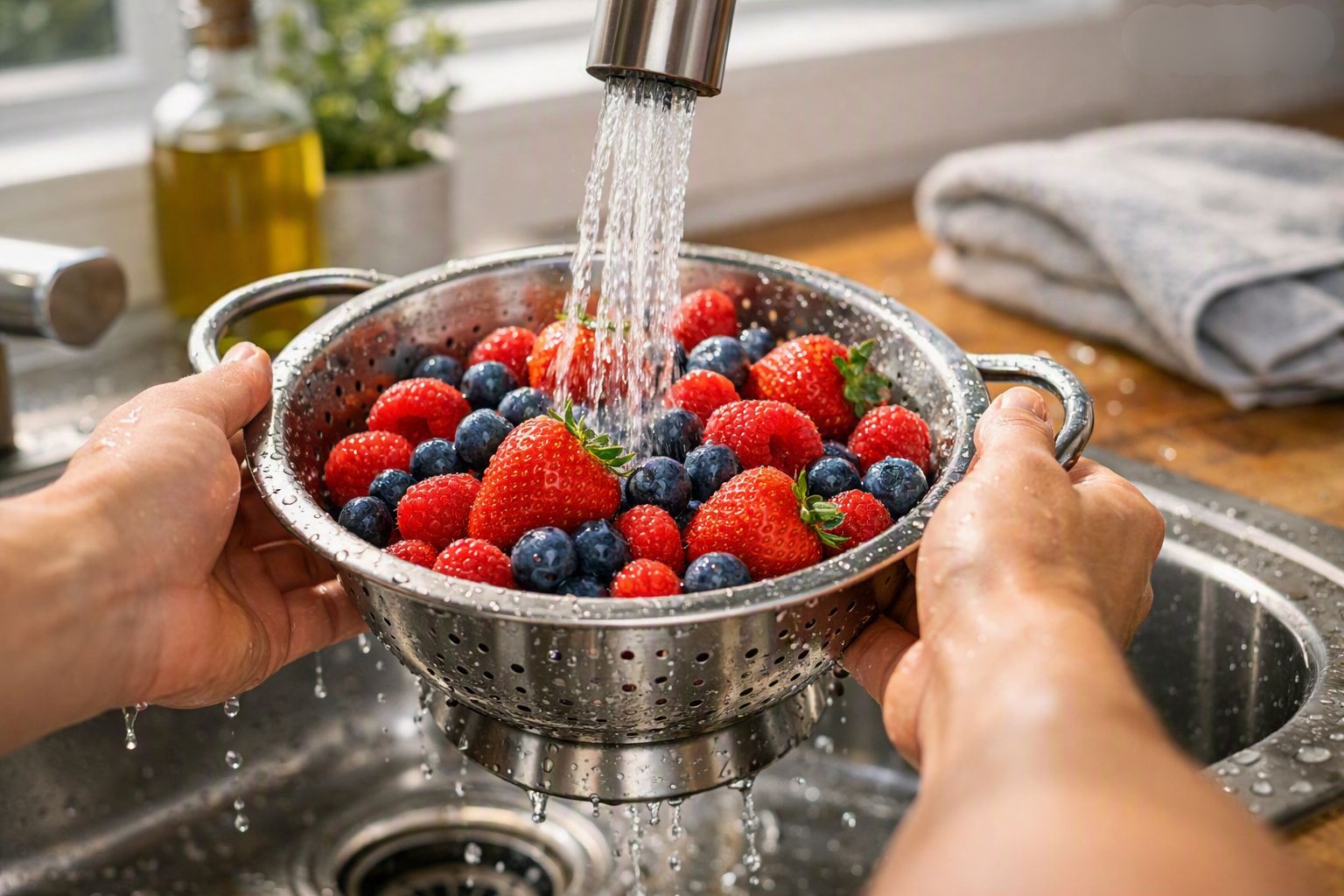
Washing produce might seem like a basic kitchen habit, but it’s one that often gets overlooked—especially for busy college athletes. Between practices, lifts, classes, and recovery, convenience usually wins. That means fruits and vegetables are sometimes eaten straight from the bag or package without being properly rinsed. While this may not always lead to immediate issues, unwashed produce can carry dirt, bacteria, or pesticide residues that athletes don’t want interfering with their health or training consistency.
 2
Food Storage
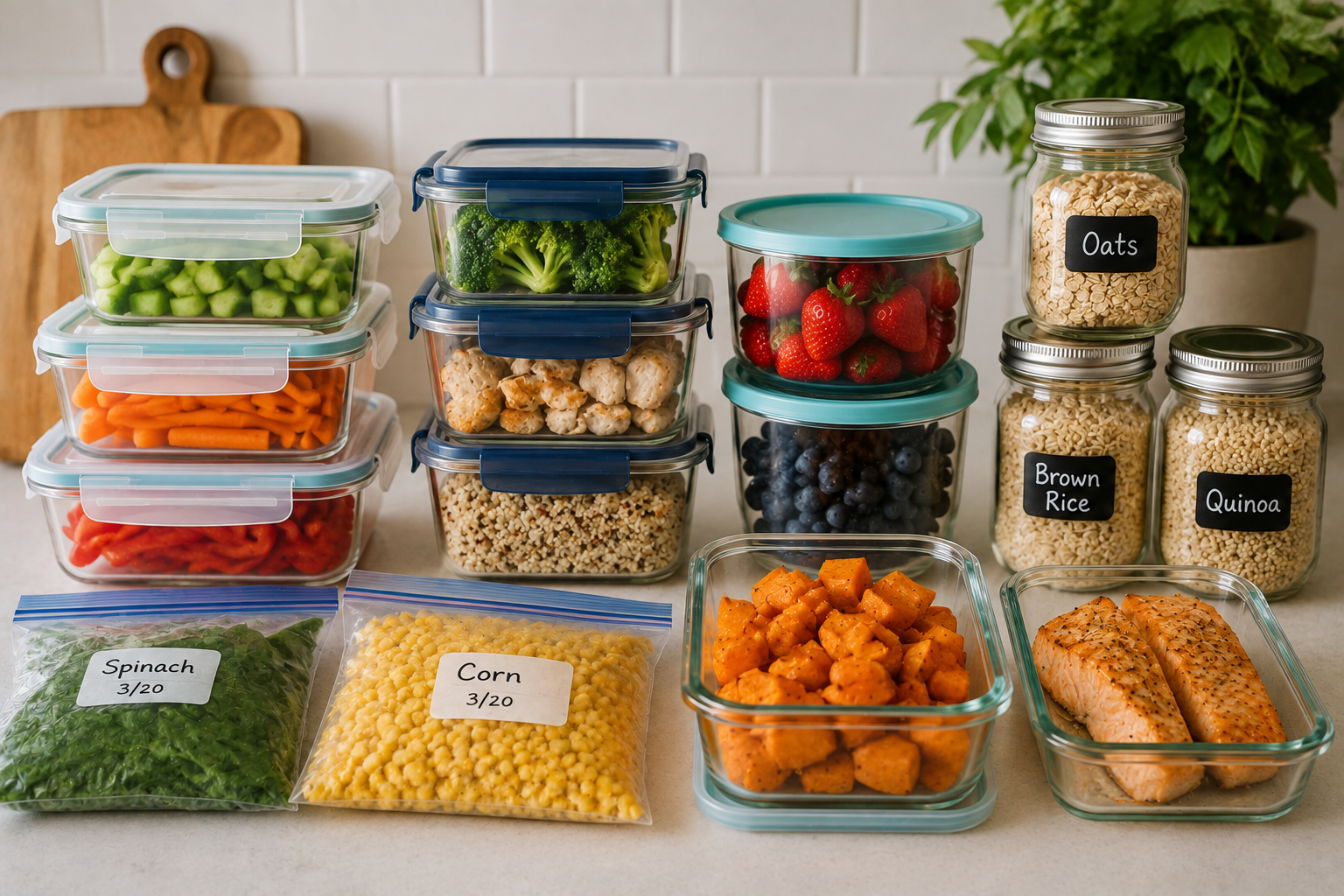
Proper food storage is crucial for maintaining food safety, reducing food waste, and saving money. Understanding the importance of food storage is crucial for college students, busy workers, and anyone preparing meals for the week, as it helps keep food fresh and prevent foodborne illnesses.
 2
The Internal Temperatures of Food
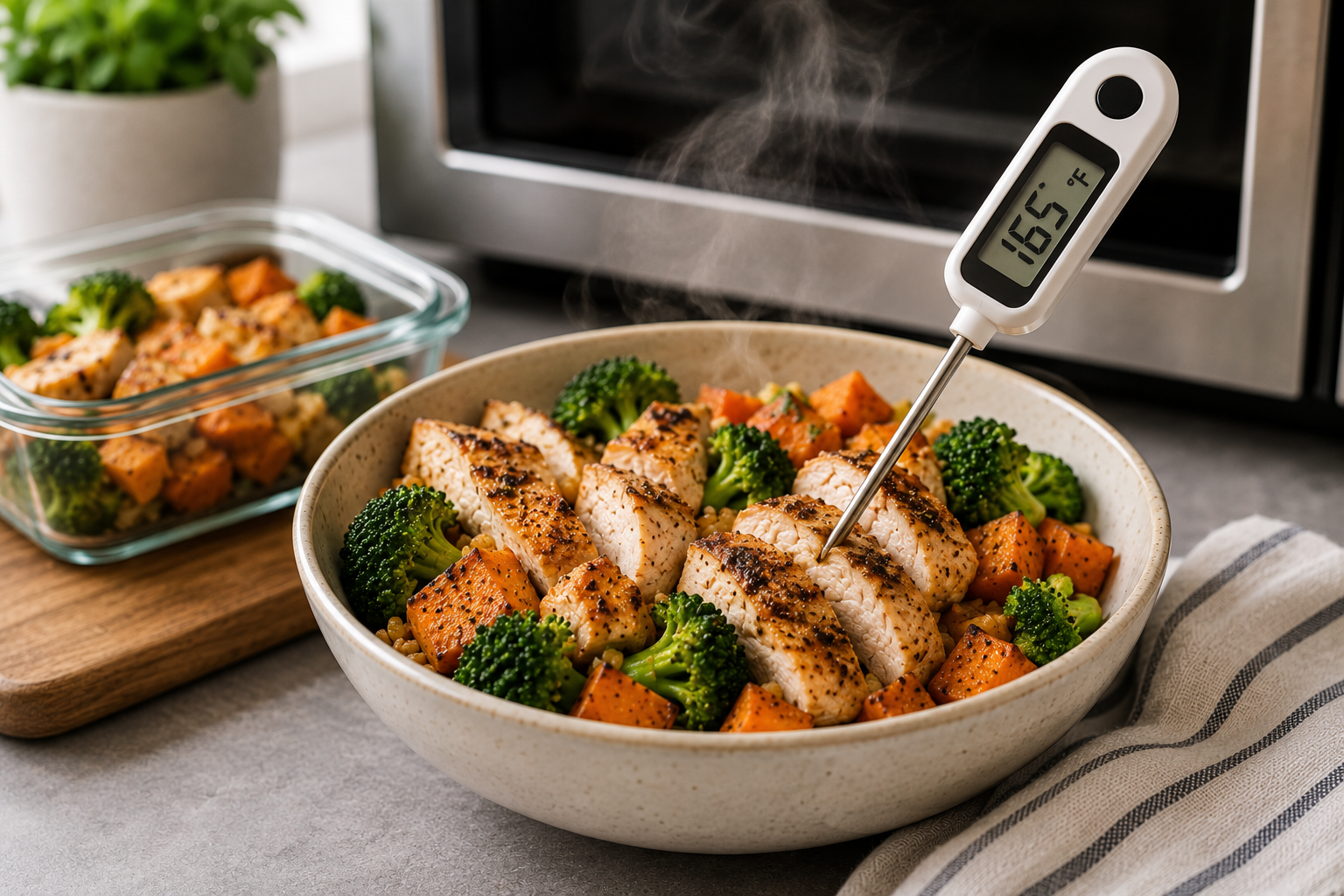
When cooking at home, many people rely solely on their eyes to determine whether a dish is fully cooked. However, the color and texture of the food do not always indicate that it is fully cooked. Using a meat thermometer can tell you the temperature of the food you are cooking, helping you determine if it is fully cooked. This is a very safe way to determine whether it is safe to eat, helping avoid food-related illnesses.
Poultry, seafood, eggs, and meats can contain harmful bacteria that, if eaten undercooked, can cause illness. This is why measuring the temperature of these foods is important for determining whether they are safe to consume.
Course Catalog
Appetizer Recipes Bowl Meals Bread Recipes Breakfast Recipes Budget Friendly Meal Prep Campus Dining Hacks Comfort Food Recipes Cost Per Recipe Cost Per Serving Dessert Recipes Dip Recipes Dorm Cooking Drink Recipes Easy Protein Sources Eating on a Budget Food Labels Simplified Foundations General Nutrition Globally Inspired Recipes Gluten free Recipes Healthy Eating Holiday Recipes Hydration Main Dish Recipes Meal Prep Basics Meat Recipes Microwave Meal No-Cook Recipes Nutrition Basics One Pot Meals Pasta Recipes Pizza Recipes Quick Recipes Recovery Nutrition Salad Recipes Sandwich Recipes Sauce Recipes Seasonal Sheet Pan Meals Sleep & Nutrition Slow Cooker Recipes Snacks Sports Nutrition Study Fuel Supplements Sustainable Eating Vegetarian Recipes Viral Food Trends Weight Management Wellness