
Stress and Digestion: Why Your Gut Feels Different During Busy Times

College athletes juggle a lot. Between early morning workouts, classes, exams, travel, practices, and competitions, stress can quickly become part of everyday life. While most athletes notice how stress affects their energy or sleep, many are surprised to learn that it can also have a significant impact on digestion.
Your brain and digestive system are constantly communicating through what is known as the gut-brain axis. When you’re feeling stressed, anxious, or overwhelmed, your body activates its “fight or flight” response. During this time, blood flow is redirected away from the digestive tract and toward the muscles, heart, and lungs to prepare the body for action. As a result, digestion may slow down or become disrupted.
This can lead to symptoms such as stomach pain, nausea, bloating, constipation, diarrhea, acid reflux, or a loss of appetite. Some athletes notice these symptoms before a big competition, while others experience them during midterms, finals, or particularly demanding weeks of training.
Stress can also affect your nutrition habits. You may skip meals because you’re too busy, forget to eat between classes and practice, or lose your appetite altogether. On the other hand, some people find themselves eating more or choosing convenience foods when stress levels are high. Either way, inconsistent fueling can make it even harder for your body to recover, perform, and manage stress effectively.
The good news is that small habits can make a big difference. Eating meals consistently throughout the day, staying hydrated, prioritizing sleep, and allowing yourself a few minutes to eat without rushing can all support healthy digestion. If you know you have a stressful week ahead, planning snacks and meals in advance can help you stay on track even when your schedule gets hectic.
It’s also important to remember that occasional digestive discomfort during stressful periods is common. However, if symptoms become severe, persist for several weeks, or begin interfering with your ability to eat or train, it’s a good idea to talk with a healthcare provider or sports dietitian.
The Bottom Line
Stress doesn’t just affect your mind—it affects your gut, too. Understanding the connection between stress and digestion can help you recognize why your stomach may feel different during busy or high-pressure times. By prioritizing consistent fueling, hydration, sleep, and stress management, you’ll be supporting not only your digestive health but also your recovery and athletic performance.
Disclaimer: The information in this article is for educational purposes only and is not intended as medical advice. Please consult a healthcare professional or registered dietitian before making any significant changes to your diet.
Extra Credit Reads
 2
Electrolytes 101: How to Choose the Right One
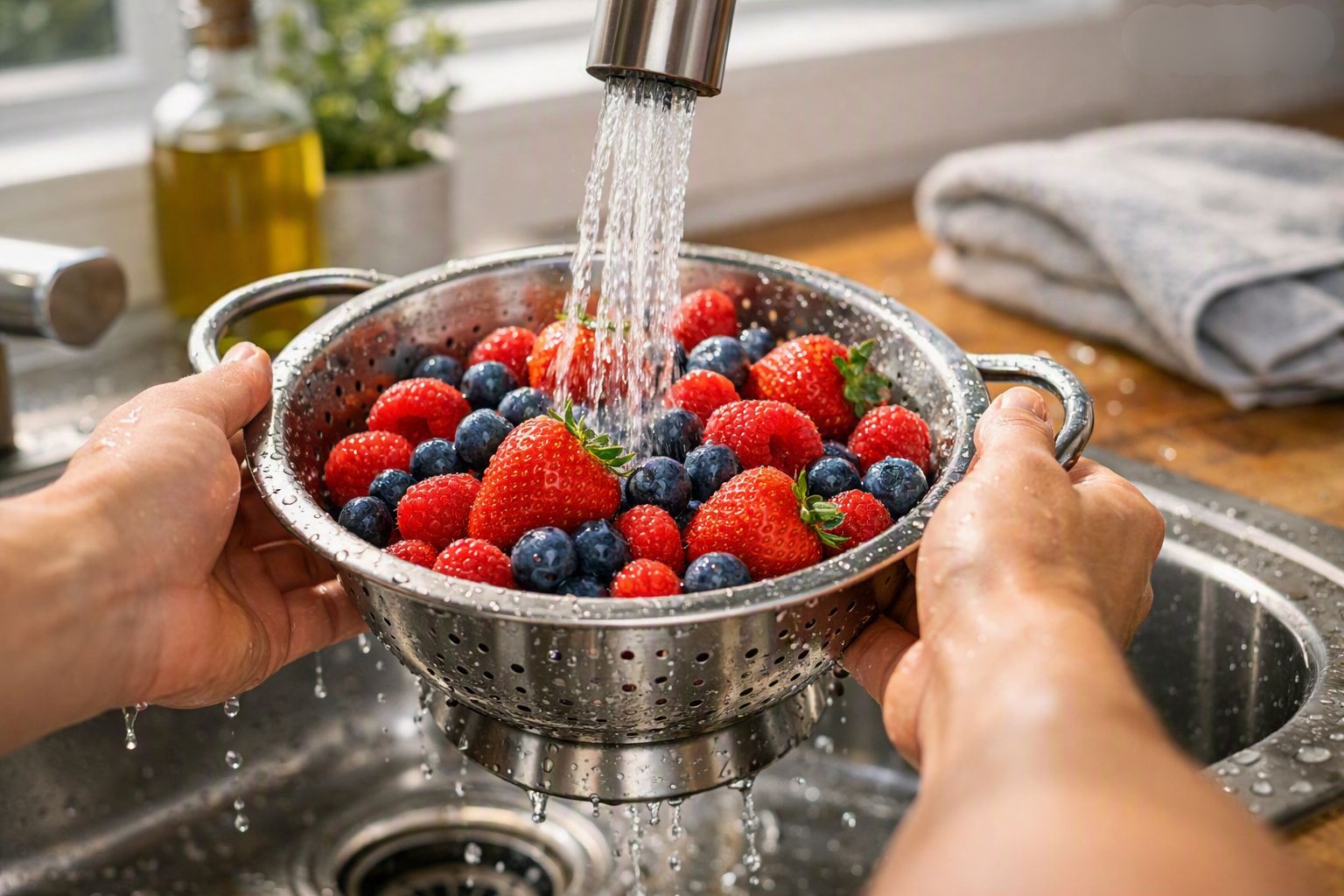
Ever hear people talk about “counting their macros” and wonder what it all means? Macronutrients are the three main types of nutrients your body needs in large amounts to function correctly: carbohydrates, proteins, and fats. Understanding what they do can empower you to build a healthier, more balanced diet.
 2
Cooking for One in College: Why It Feels Hard and Why It Doesn’t Have To Be
Most recipes feed four. Most kitchen habits are built around a full fridge, a real stove, and someone who already knows what they’re doing. Nobody really teaches you how to cook for just yourself, and then suddenly you’re in a dorm room with a mini fridge, a microwave, and a dining hall swipe you forgot to use before it expired. For students, that first semester can feel like a crash course in figuring out how to actually feed yourself. For parents, it’s a different kind of worry: you spent years making sure there was always something in the fridge, and now you’re handing that over to someone who maybe made scrambled eggs once. This guide is for both of you.
2
The Apartment Starter Kit: Upgrading Your Setup From Dorm to Real Kitchen
You have an actual kitchen now. Here’s how to use it without overcomplicating it. The goal is the same as it was in the dorm: a small, intentional setup that actually gets used. Just with a little more room to grow.
 2
Food Storage
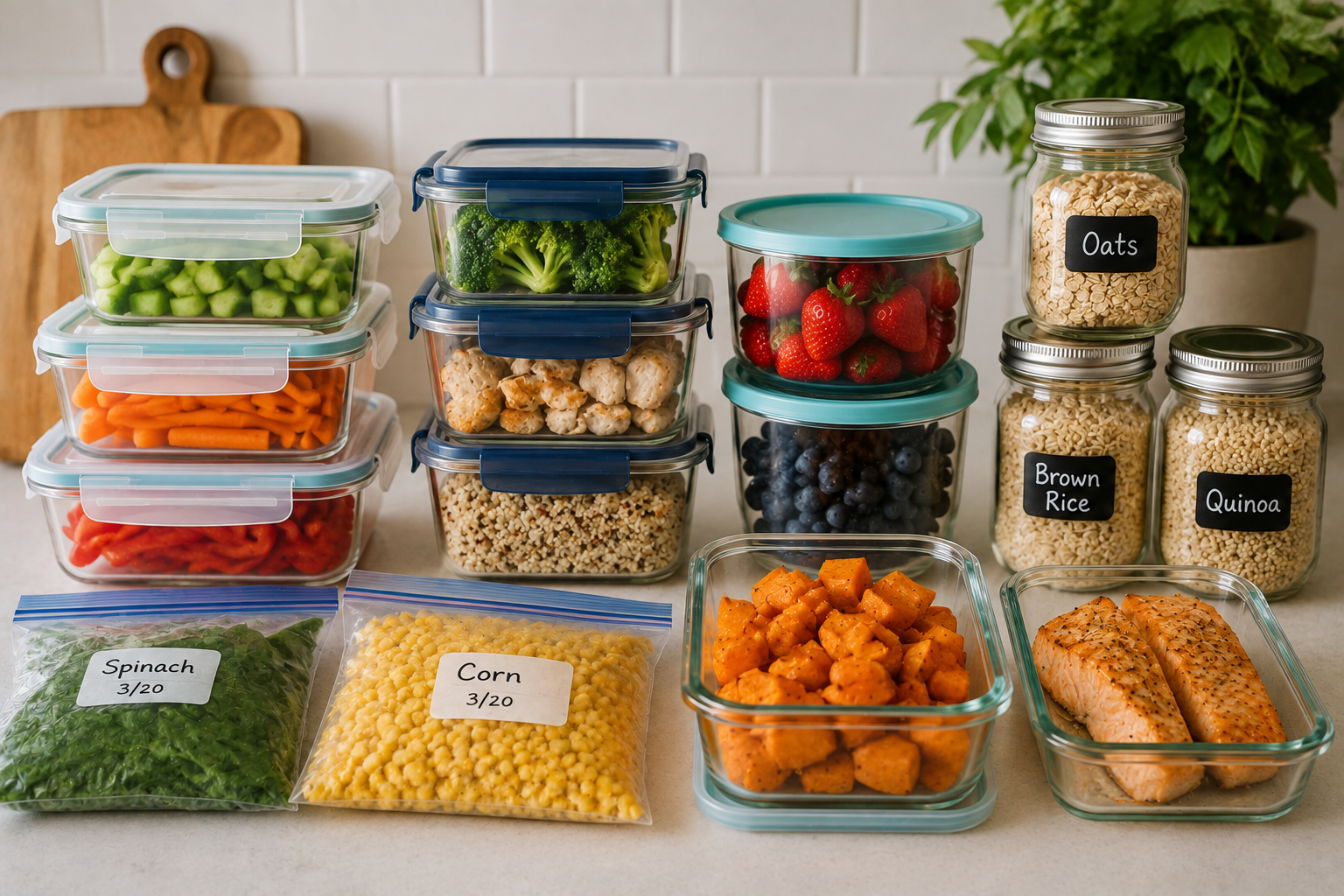
Proper food storage is crucial for maintaining food safety, reducing food waste, and saving money. Understanding the importance of food storage is crucial for college students, busy workers, and anyone preparing meals for the week, as it helps keep food fresh and prevent foodborne illnesses.
Course Catalog
apartment cooking athlete nutrition avocado bacon Banana beginners beverage bread buffalo sauce caffeine cake Campus Dining Hacks carbohydrates cheese chia seeds Chicken chickpeas chocolate coconut oil coffee Dorm Cooking dorm cooking Easy Protein Sources Eating on a Budget eggs Featured Food Labels Simplified Food Safety Foundations General Nutrition Granola Greek yogurt healthy eating Hydration hydration macronutrients meal prep Meal Prep Basics milk Nutrition Basics oats Peanut butter pumpkin Reheating food Sports Nutrition sports nutrition Sugar Supplements supplements Wellness