
Who Really Needs Electrolytes?
Not Every Athlete Needs a Supplement
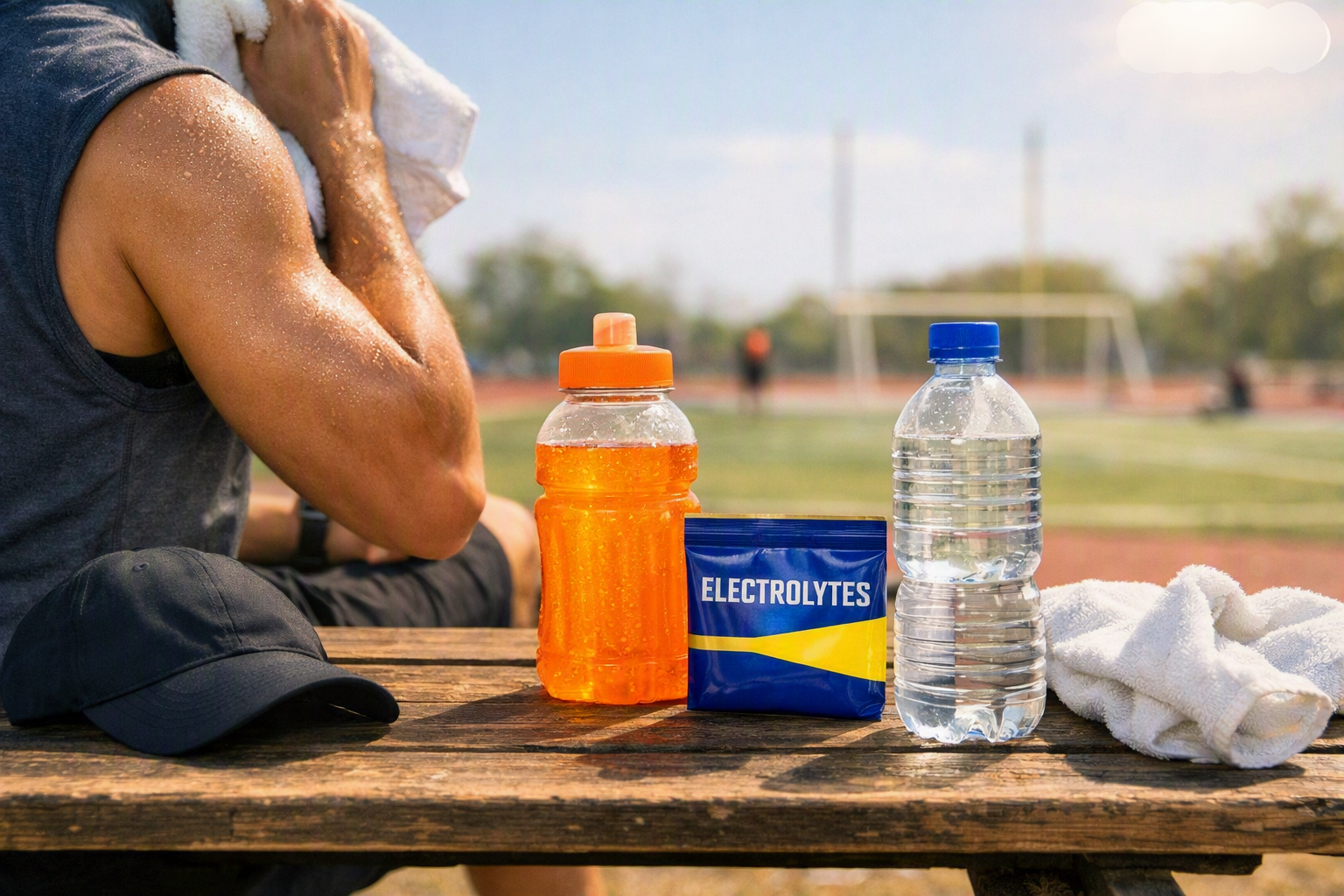
Electrolytes are everywhere in sports nutrition right now. Drinks, powders, and packets are heavily marketed to athletes as something essential for performance and recovery. The message often makes it sound as if you’re training hard, so you automatically need electrolytes.
But the reality is simpler: most athletes don’t need electrolyte supplements on a daily basis.
For many college and younger athletes, this creates confusion. If you’re training indoors for an hour or less and not sweating excessively, electrolytes are unlikely to provide a meaningful benefit beyond what you already get from food and water.
What Electrolytes Actually Do
Electrolytes, mainly sodium, potassium, magnesium, and calcium, help regulate fluid balance, nerve signaling, and muscle contractions. They are lost through sweat, which is why they become relevant during longer or more intense training sessions.
The important distinction is that electrolyte needs are based on sweat loss, not sport participation, age, or how hard you feel like you’re working.
Who Actually Benefits From Them
Electrolytes become more useful when sweat losses are high enough to affect hydration status and performance. This typically includes long training sessions lasting over an hour and a half, double practices, or competitions in hot and humid environments.
Athletes in endurance sports, field sports, or high-volume training phases are more likely to benefit from replacing sodium and fluids together rather than relying on water alone. In these cases, electrolytes can help maintain hydration, reduce excessive fatigue, and support performance consistency later in training or competition.
Who Usually Doesn’t Need Them
For most athletes, especially those doing shorter, moderate-intensity sessions, electrolytes are unnecessary. If you are eating regular meals, drinking fluids consistently throughout the day, and training in normal conditions, your body is likely already maintaining proper balance without any additional products.
In these cases, electrolyte drinks often function more as flavored hydration than as something that meaningfully improves performance.
The Bottom Line
Electrolytes are not a daily requirement for most athletes, and they are not automatically necessary just because you train or compete in a sport.
They are most useful when sweat losses are high enough to challenge hydration and performance—typically during long, intense, or hot training sessions. Outside of those situations, consistent hydration and a balanced diet are more than enough to support performance.
In other words, electrolytes are a tool for specific situations, not a baseline requirement for every athlete.
For athletes looking for a practical way to support hydration through food and fluids, Nancy Clark’s hydration recipe is a great option. You can view it here.
Choosing an Electrolyte Powder
If you do need an electrolyte supplement, not all products are designed for the same purpose. Here are a few common options:
- LMNT – Very high in sodium (1,000 mg) with no sugar. Best for heavy sweaters, long endurance sessions, or training in hot conditions where sodium losses are high.
- Liquid I.V. – Contains moderate sodium along with carbohydrates, which can help support hydration and provide energy during prolonged exercise. This may be a better option for endurance athletes or long competitions.
- DripDrop ORS – Contains more sodium than many traditional sports drinks and includes carbohydrates to enhance fluid absorption. It’s a good option for athletes recovering from significant sweat loss, training in the heat, or rehydrating after illness.
- Skratch Labs Sport Hydration Mix – Provides moderate sodium and carbohydrates in amounts similar to those recommended by many sports dietitians for longer endurance exercise. It’s a good fit for runs, rides, or practices lasting over 90 minutes.
The best product depends on how much you sweat, how long you’re exercising, and the environment you’re training in—not on which brand is the most popular.
Disclaimer: The information in this article is for educational purposes only and is not intended as medical advice. Please consult a healthcare professional or registered dietitian before making any significant changes to your diet.
Extra Credit Reads
 2
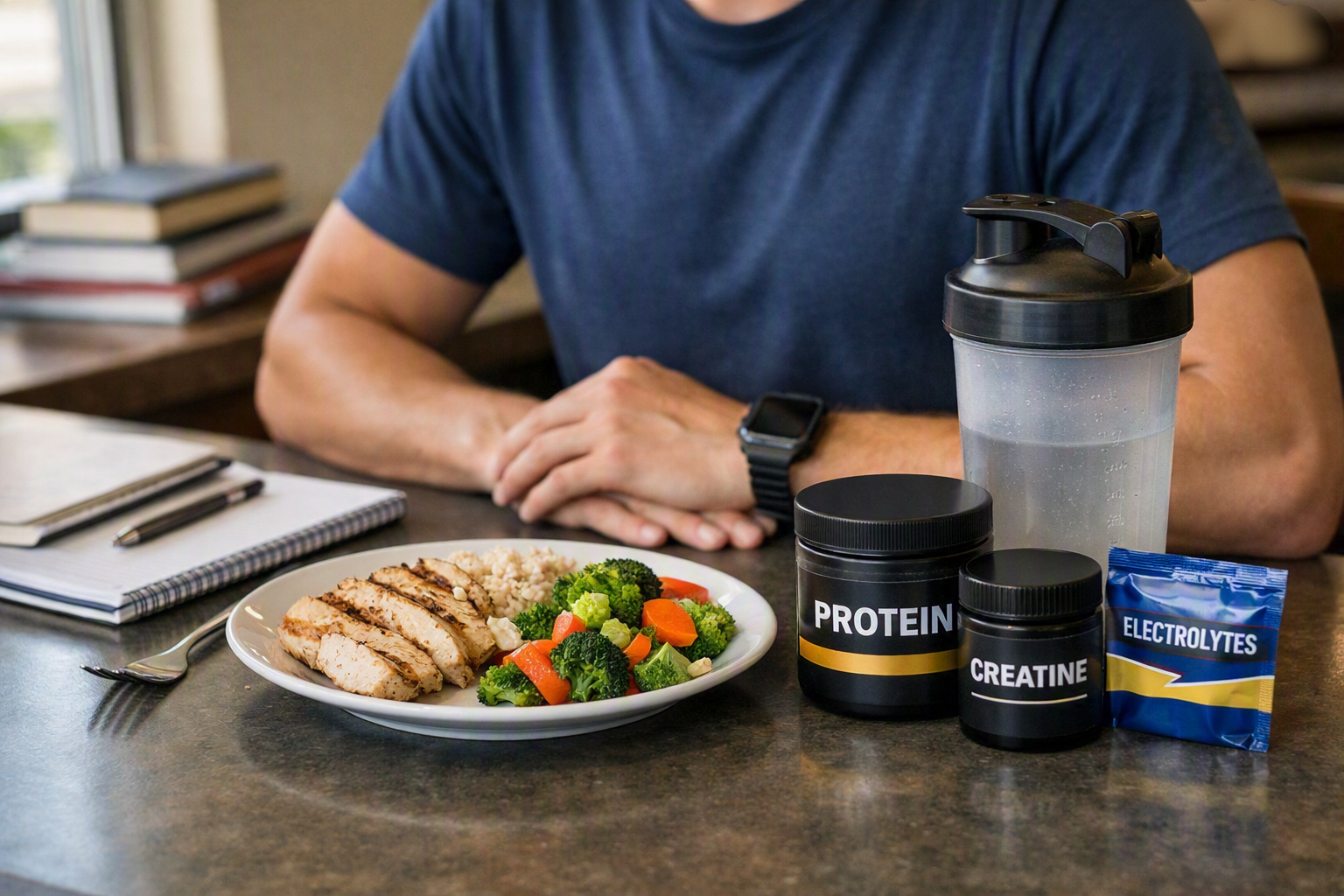
When Supplements Actually Make Sense for Athletes
Supplements are meant to supplement a solid nutrition plan, not replace one. Food is still the foundation of performance. Once athletes are consistently fueling well, supplements can have a small, supportive role in specific situations.
 2
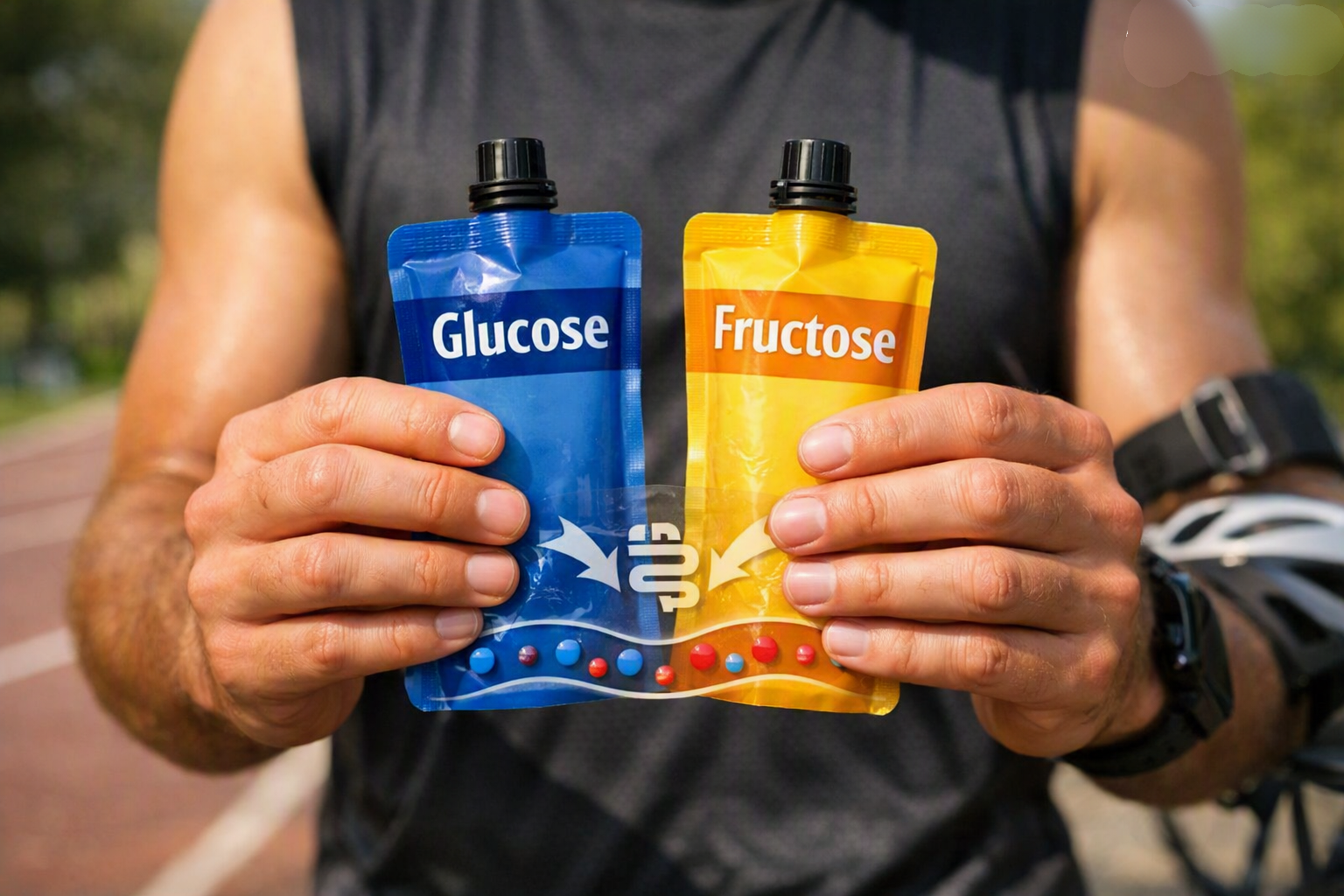
Glucose vs. Fructose: Why Carbohydrate Ratios Matter for Gut Comfort During Exercise
For many athletes, performance doesn’t break down because of fitness—it breaks down because of the gut. Cramping, bloating, nausea, or that uncomfortable “sloshing” feeling during training or competition is often related to how carbohydrates are absorbed, not just how much is being consumed.
 2
Stress and Digestion: Why Your Gut Feels Different During Busy Times
Stress doesn’t just affect your mind—it affects your gut, too. Understanding the connection between stress and digestion can help you recognize why your stomach may feel different during busy or high-pressure times. By prioritizing consistent fueling, hydration, sleep, and stress management, you’ll be supporting not only your digestive health but also your recovery and athletic performance.
 2
Food First: Why College Athletes Need a Foundation Before Supplements
Walk through any college weight room, and you’ll see it. Shaker bottles are lined up on the floor. Athletes compare pre-workouts before practice. Someone is talking about a new recovery powder they saw on social media. Another teammate swore that a certain supplement changed everything for their performance.
Course Catalog
apartment cooking athlete nutrition avocado bacon Banana beginners beverage bread buffalo sauce caffeine cake Campus Dining Hacks carbohydrates cheese chia seeds Chicken chickpeas chocolate coconut oil coffee Dorm Cooking dorm cooking Easy Protein Sources Eating on a Budget eggs Featured Food Labels Simplified Food Safety Foundations General Nutrition Granola Greek yogurt healthy eating Hydration hydration macronutrients meal prep Meal Prep Basics milk Nutrition Basics oats Peanut butter pumpkin Reheating food Sports Nutrition sports nutrition Sugar Supplements supplements Wellness