
Food First: Why College Athletes Need a Foundation Before Supplements
The Question Every Athlete Eventually Asks
Walk through any college weight room, and you’ll see it. Shaker bottles are lined up on the floor. Athletes compare pre-workouts before practice. Someone is talking about a new recovery powder they saw on social media. Another teammate swore that a certain supplement changed everything for their performance.
It’s easy to look around and think that everyone else has the secret figured out.
For many athletes, especially those arriving on campus for the first time, supplements seem like the next logical step. College sports demand more than high school sports ever did. Practices are harder, lifts are heavier, schedules are busier, and recovery suddenly becomes something you actually have to think about. Parents notice it too. The grocery bill changes, protein shakes start appearing in the kitchen, and before long, someone is asking whether creatine is necessary or if a greens powder is worth the money.
The conversation usually starts with supplements because supplements feel like a solution. They’re simple. Buy the product, take the scoop, expect the result.
The problem is that most athletes ask about supplements before they’ve answered a much more important question: are they consistently eating enough to support their training?
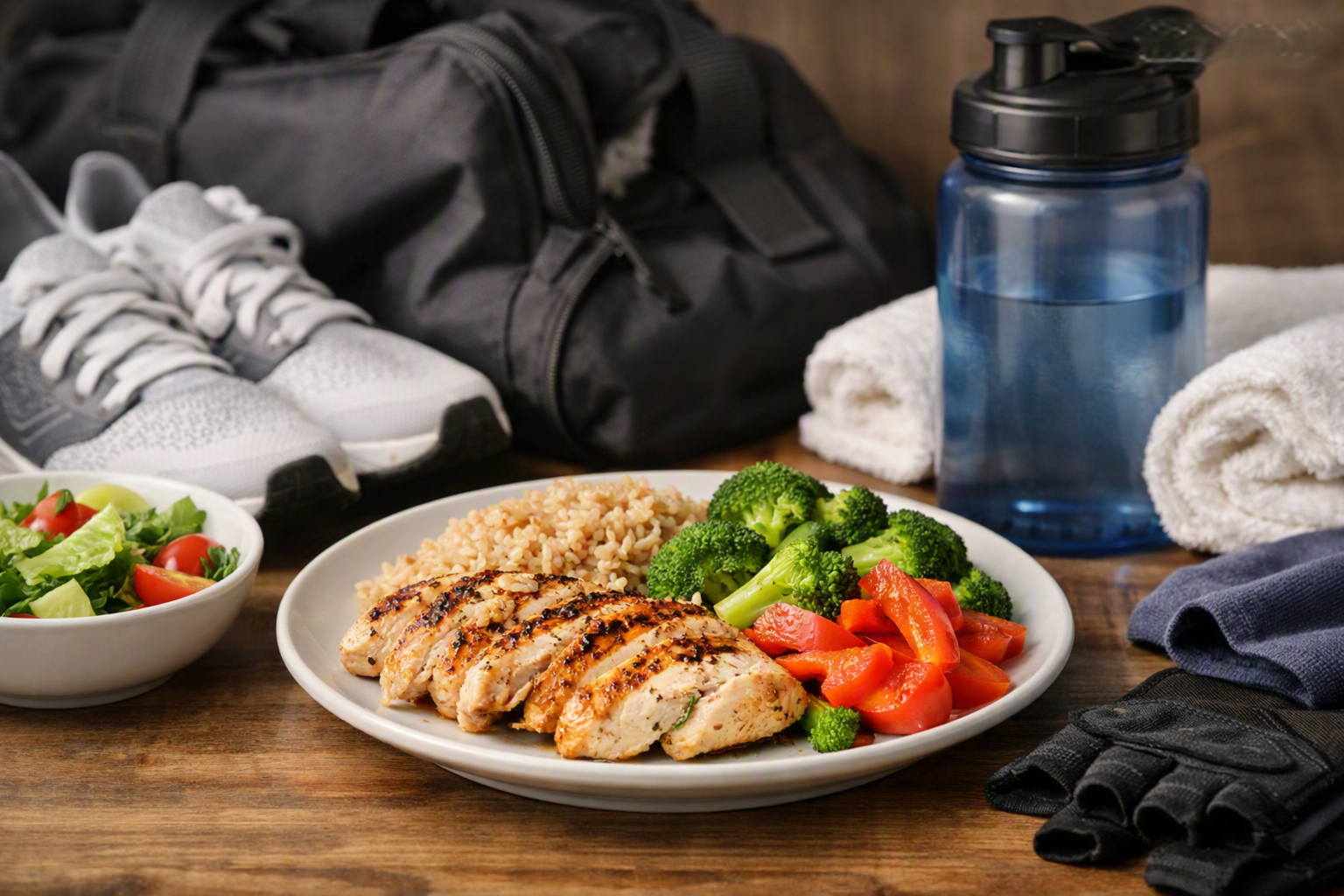
Because, despite what marketing would have you believe, no supplement can make up for a weak nutritional foundation. A protein powder can’t replace skipped meals. A pre-workout can’t fix chronic underfueling. Recovery drinks can’t undo a day spent rushing between classes, practice, and meetings without stopping to eat.
Food is still where performance starts.
That’s not an exciting answer. It doesn’t come in a flashy container or promise dramatic results in thirty days. But ask almost any sports dietitian what change would have the biggest impact on most college athletes, and the answer usually isn’t a supplement recommendation. It’s helping athletes eat enough, eat consistently, and build habits that support the work they’re already doing in training.
This article is for the athlete wondering whether they need supplements, the parent trying to understand where they fit into the picture, and anyone who has ever stood in front of a shelf full of products, wondering where to begin. Before we talk about powders, pills, and performance enhancers, we need to talk about what matters most: the food on your plate.
If you’re ready to take the next step, read “When Supplements Actually Make Sense for Athletes.”
Disclaimer: The information in this article is for educational purposes only and is not intended as medical advice. Please consult a healthcare professional or registered dietitian before making any significant changes to your diet.
Extra Credit Reads
 2
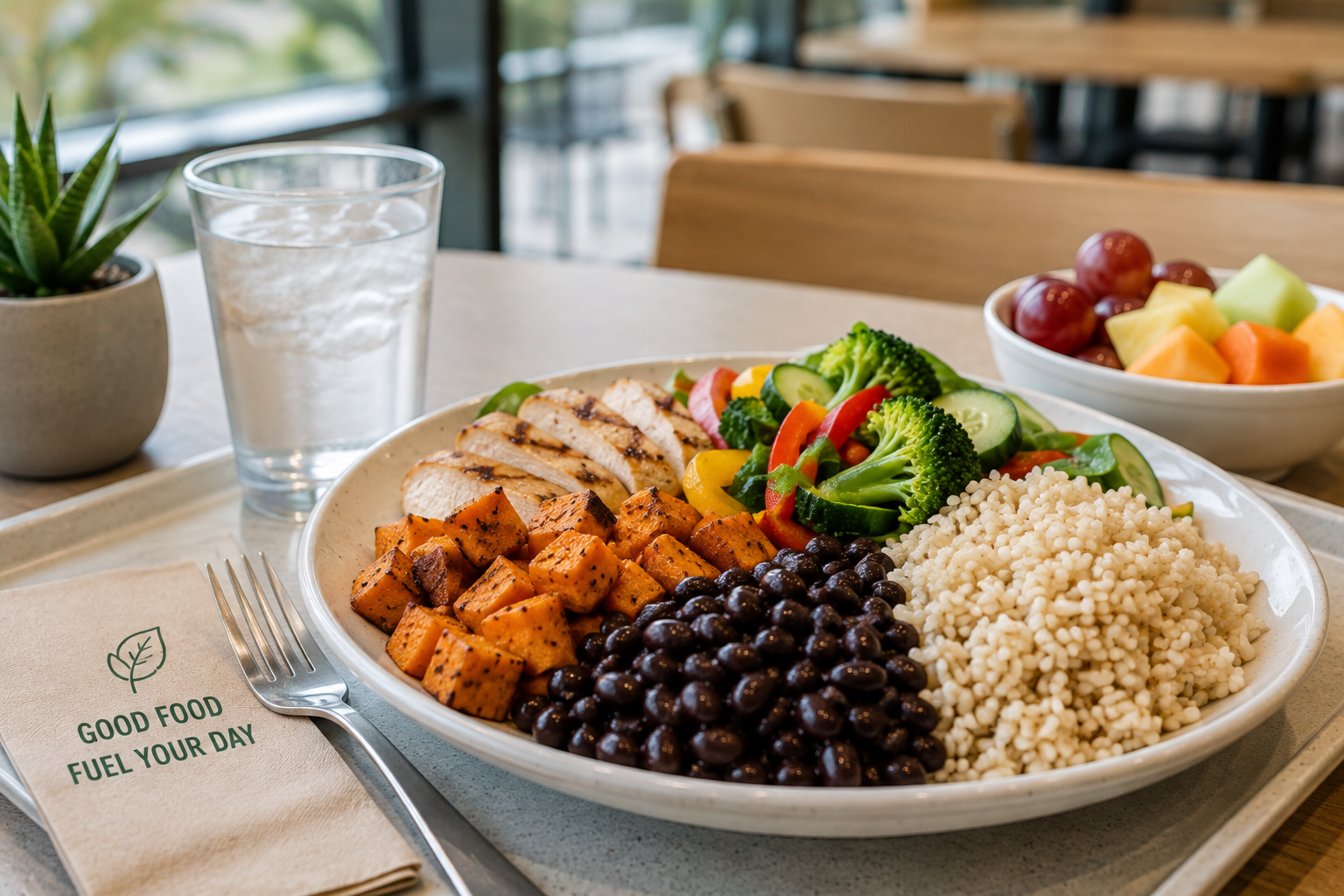
Making Smart Choices in the Dining Hall
When you first go to college, the dining hall can be intimidating with the variety of food choices and places to eat breakfast, lunch, or dinner. With a few simple strategies, eating smart in the dining hall is very achievable while still enjoying your favorite meals and snacks!
 2
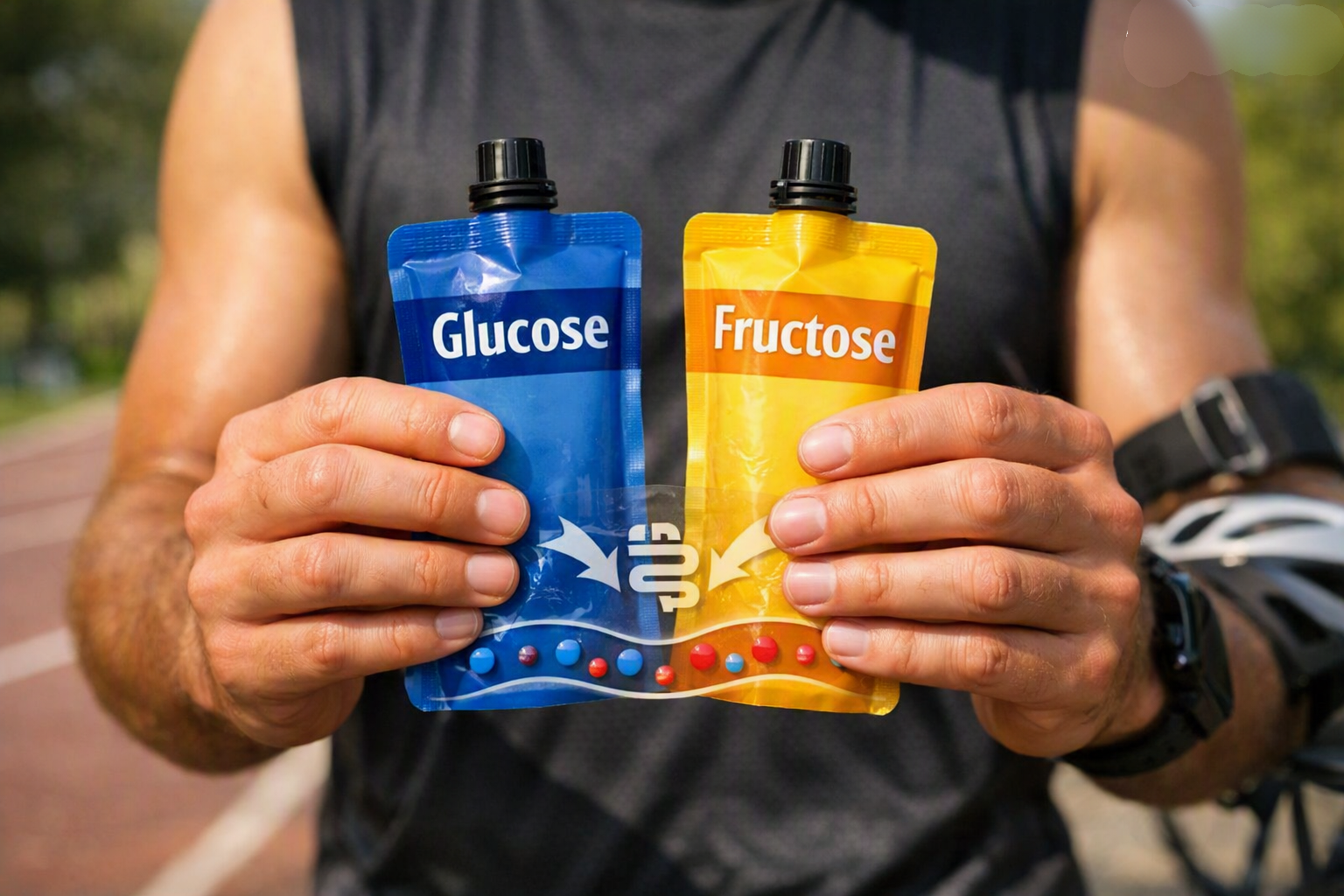
Glucose vs. Fructose: Why Carbohydrate Ratios Matter for Gut Comfort During Exercise
For many athletes, performance doesn’t break down because of fitness—it breaks down because of the gut. Cramping, bloating, nausea, or that uncomfortable “sloshing” feeling during training or competition is often related to how carbohydrates are absorbed, not just how much is being consumed.
 2
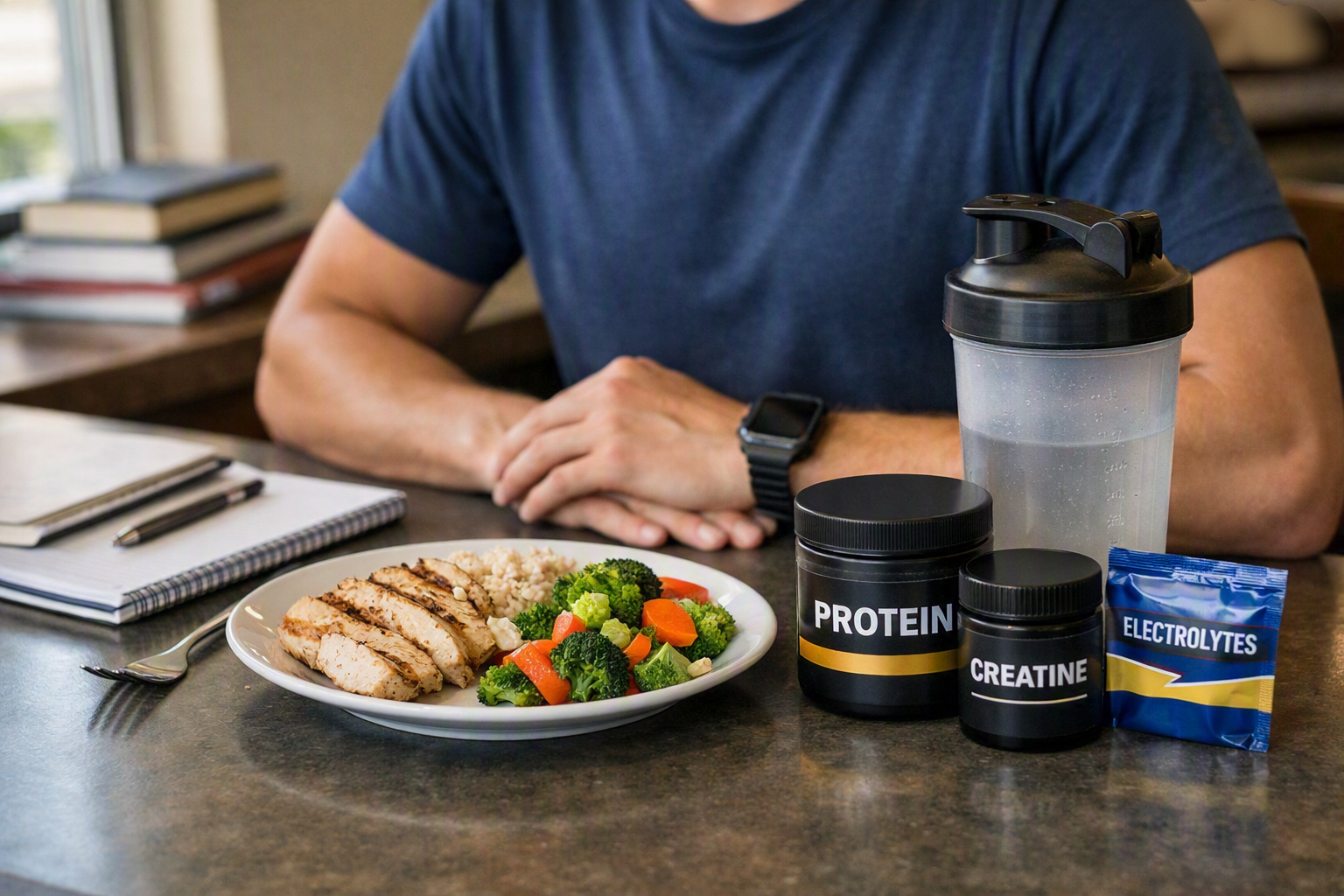
When Supplements Actually Make Sense for Athletes
Supplements are meant to supplement a solid nutrition plan, not replace one. Food is still the foundation of performance. Once athletes are consistently fueling well, supplements can have a small, supportive role in specific situations.
 3
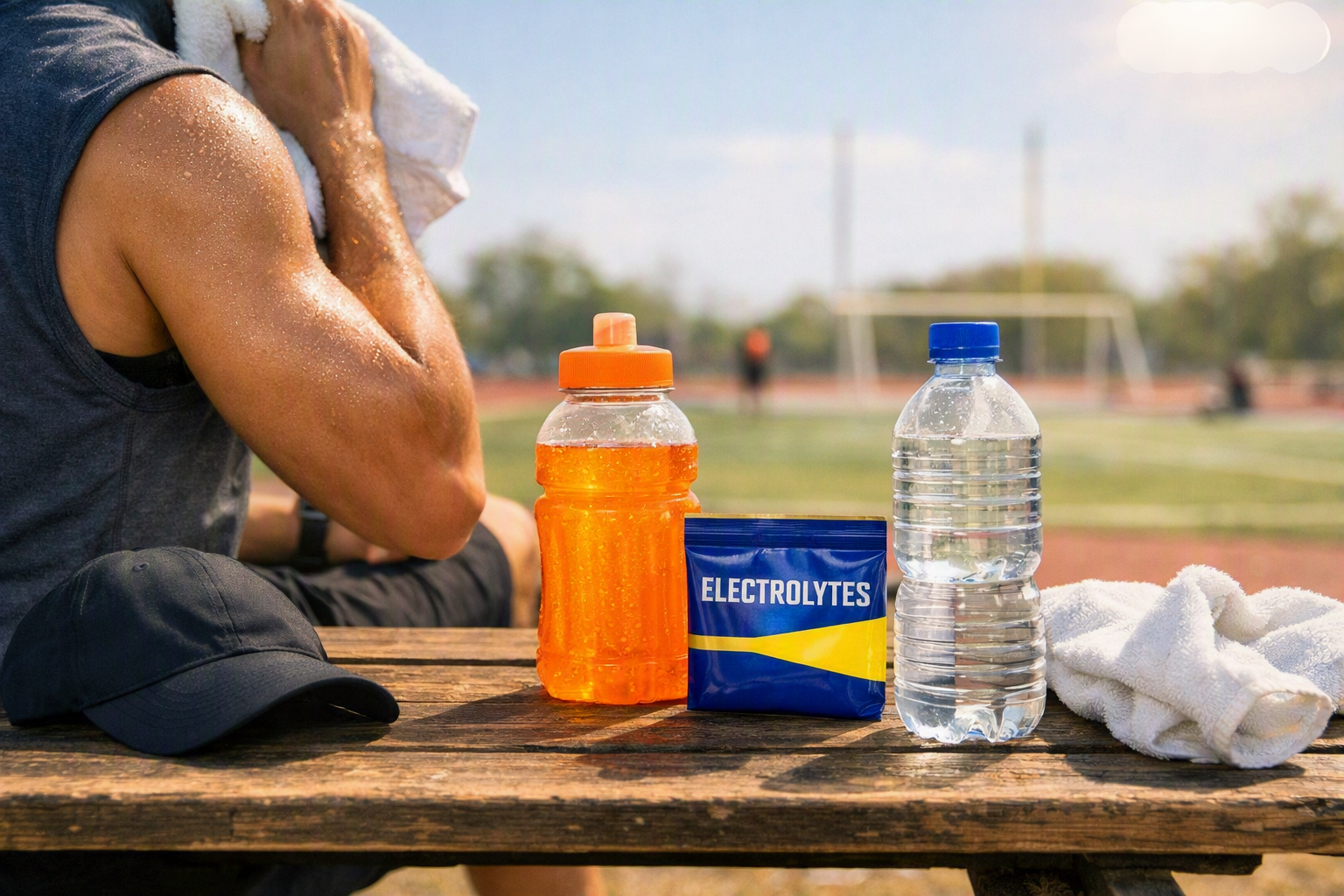
Who Really Needs Electrolytes?
Electrolytes, mainly sodium, potassium, magnesium, and calcium, help regulate fluid balance, nerve signaling, and muscle contractions. They are lost through sweat, which is why they become relevant during longer or more intense training sessions. The important distinction is that electrolyte needs are based on sweat loss, not sport participation, age, or how hard you feel like you’re working.
Course Catalog
apartment cooking athlete nutrition avocado bacon Banana beginners beverage bread buffalo sauce caffeine cake Campus Dining Hacks carbohydrates cheese chia seeds Chicken chickpeas chocolate coconut oil coffee Dorm Cooking dorm cooking Easy Protein Sources Eating on a Budget eggs Featured Food Labels Simplified Food Safety Foundations General Nutrition Granola Greek yogurt healthy eating Hydration hydration macronutrients meal prep Meal Prep Basics milk Nutrition Basics oats Peanut butter pumpkin Reheating food Sports Nutrition sports nutrition Sugar Supplements supplements Wellness