
When Supplements Actually Make Sense for Athletes
The Biggest Nutrition Mistake Athletes Make
Most athletes don’t have a supplement problem—they have a fueling problem.
College life makes consistency hard. Early lifts, classes, practice, and meetings often lead to skipped meals, rushed eating, and long gaps without food. When energy drops, recovery feels slow, or performance stalls, athletes often look for supplements to fix the issue.
But in most cases, the problem isn’t supplements—it’s not eating enough to support training demands.
Supplements Come Second
Supplements are meant to supplement a solid nutrition plan, not replace one. Food is still the foundation of performance. Once athletes are consistently fueling well, supplements can have a small, supportive role in specific situations.
When Supplements Actually Make Sense
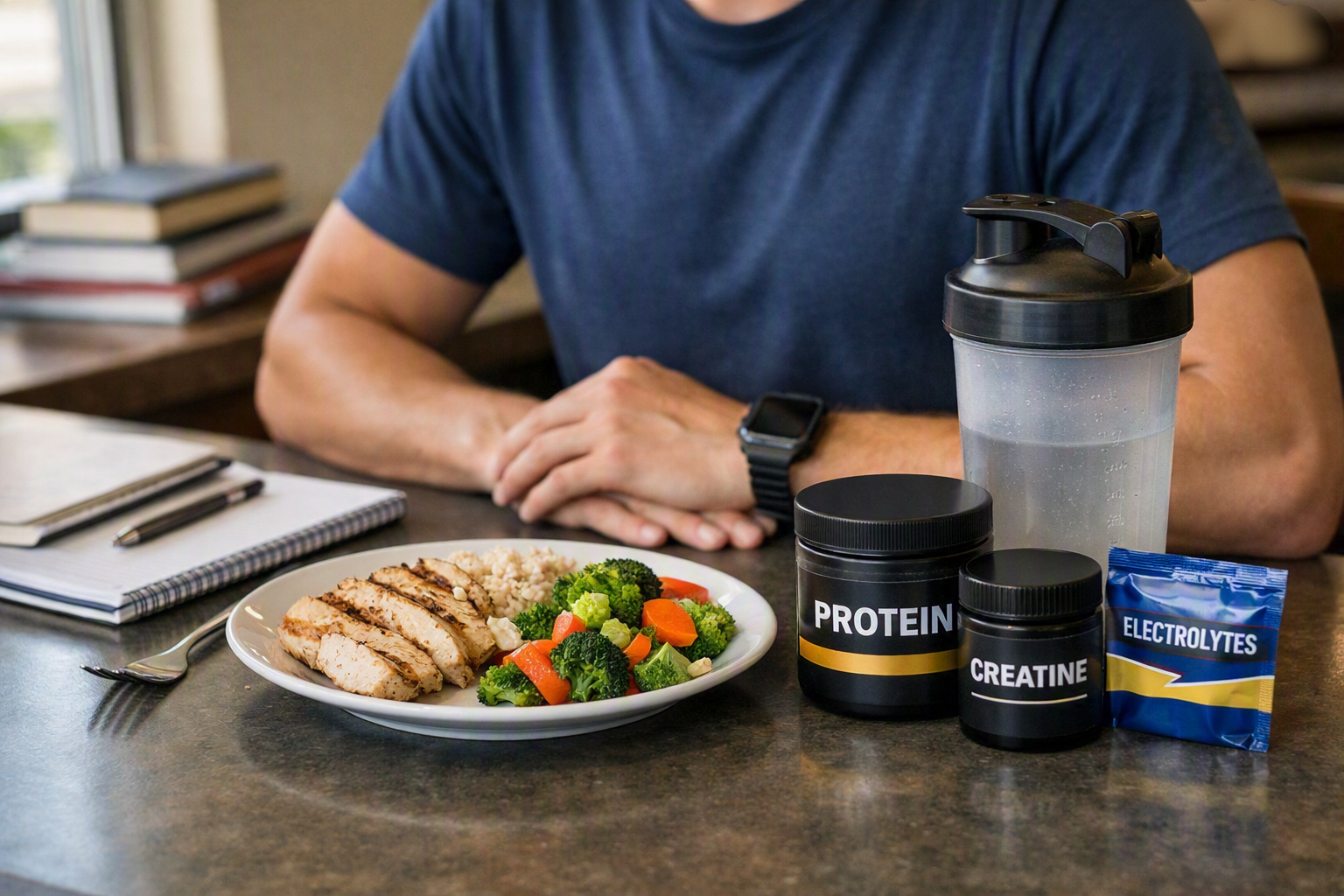
Protein powder can be helpful when whole-food options aren’t available or convenient, but it isn’t necessary if protein needs are already being met through food. Creatine is one of the most researched supplements for improving strength and power. Caffeine can enhance focus and performance when used strategically around training or competition. Electrolytes or sports drinks may also be useful during long or intense training sessions where fluid and carbohydrate needs are higher.
The Bottom Line
If meals are inconsistent or an athlete is under-fueling, supplements will not fix the issue.
For most college athletes, the biggest performance improvements come from eating enough, eating consistently, and recovering properly. Supplements only become useful once that foundation is already in place.
Want to Learn More About Supplements?
Not all supplements have strong evidence behind them. The Australian Institute of Sport (AIS) has developed one of the most respected evidence-based supplement classification systems, grouping supplements based on the quality of research supporting their use. If you’re considering taking a supplement, it’s a great place to start before spending your money.
Learn more here: https://www.ausport.gov.au/ais/nutrition/supplements
Disclaimer: The information in this article is for educational purposes only and is not intended as medical advice. Please consult a healthcare professional or registered dietitian before making any significant changes to your diet.
Extra Credit Reads
 2
Stress and Digestion: Why Your Gut Feels Different During Busy Times
Stress doesn’t just affect your mind—it affects your gut, too. Understanding the connection between stress and digestion can help you recognize why your stomach may feel different during busy or high-pressure times. By prioritizing consistent fueling, hydration, sleep, and stress management, you’ll be supporting not only your digestive health but also your recovery and athletic performance.
 3
Who Really Needs Electrolytes?
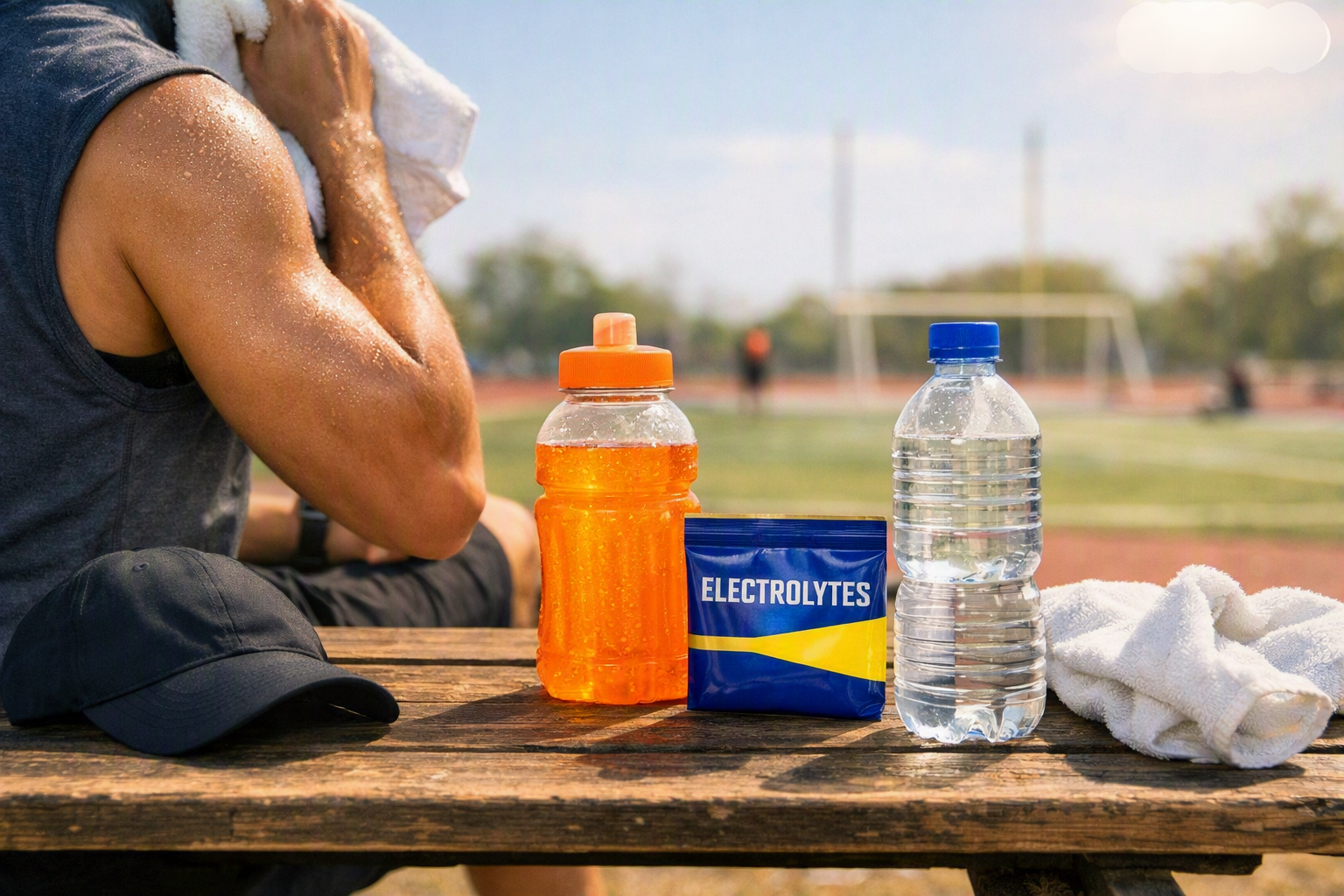
Electrolytes, mainly sodium, potassium, magnesium, and calcium, help regulate fluid balance, nerve signaling, and muscle contractions. They are lost through sweat, which is why they become relevant during longer or more intense training sessions. The important distinction is that electrolyte needs are based on sweat loss, not sport participation, age, or how hard you feel like you’re working.
 2
Food First: Why College Athletes Need a Foundation Before Supplements
Walk through any college weight room, and you’ll see it. Shaker bottles are lined up on the floor. Athletes compare pre-workouts before practice. Someone is talking about a new recovery powder they saw on social media. Another teammate swore that a certain supplement changed everything for their performance.
 2
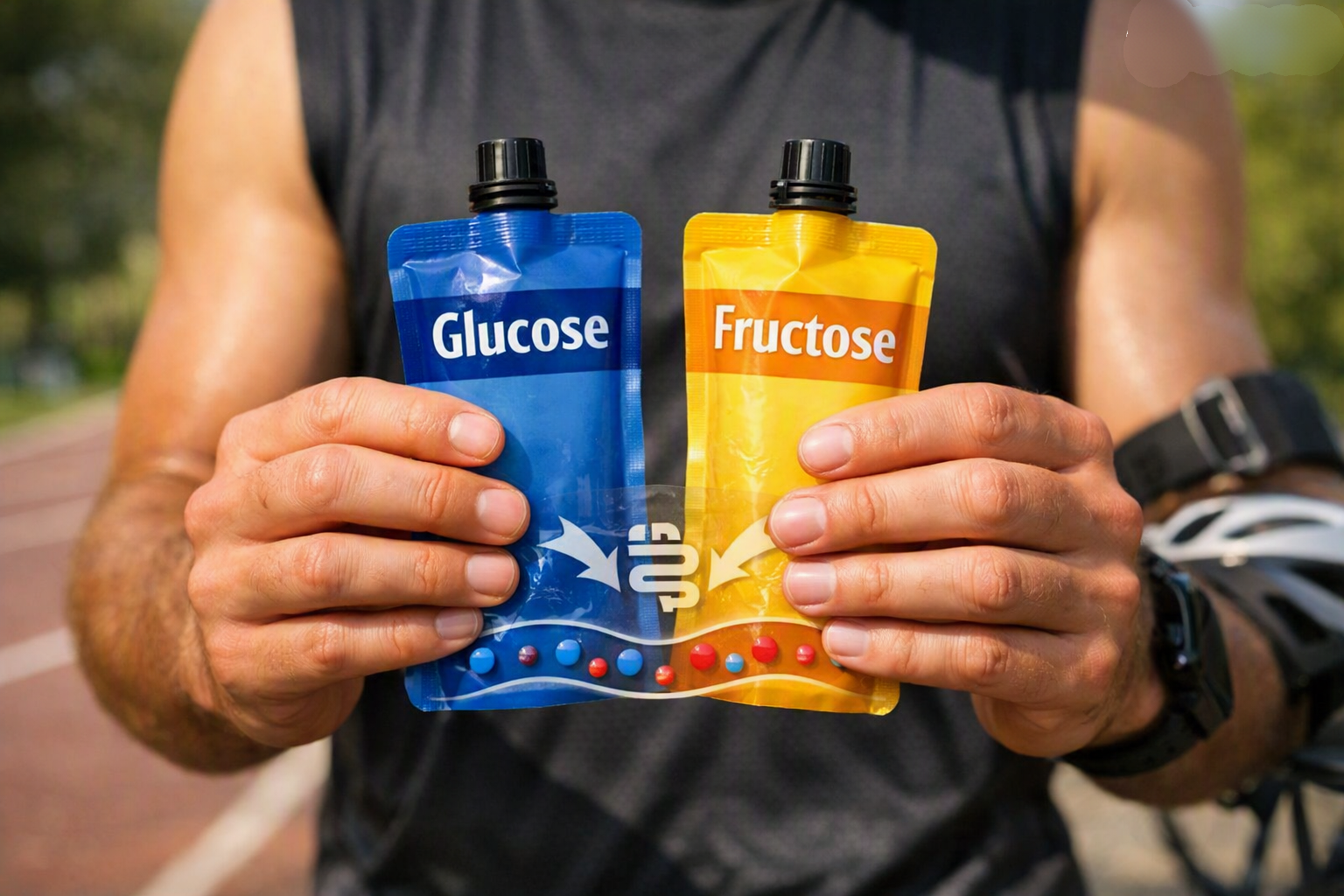
Glucose vs. Fructose: Why Carbohydrate Ratios Matter for Gut Comfort During Exercise
For many athletes, performance doesn’t break down because of fitness—it breaks down because of the gut. Cramping, bloating, nausea, or that uncomfortable “sloshing” feeling during training or competition is often related to how carbohydrates are absorbed, not just how much is being consumed.
Course Catalog
apartment cooking athlete nutrition avocado bacon Banana beginners beverage bread buffalo sauce caffeine cake Campus Dining Hacks carbohydrates cheese chia seeds Chicken chickpeas chocolate coconut oil coffee Dorm Cooking dorm cooking Easy Protein Sources Eating on a Budget eggs Featured Food Labels Simplified Food Safety Foundations General Nutrition Granola Greek yogurt healthy eating Hydration hydration macronutrients meal prep Meal Prep Basics milk Nutrition Basics oats Peanut butter pumpkin Reheating food Sports Nutrition sports nutrition Sugar Supplements supplements Wellness