
Glucose vs. Fructose: Why Carbohydrate Ratios Matter for Gut Comfort During Exercise
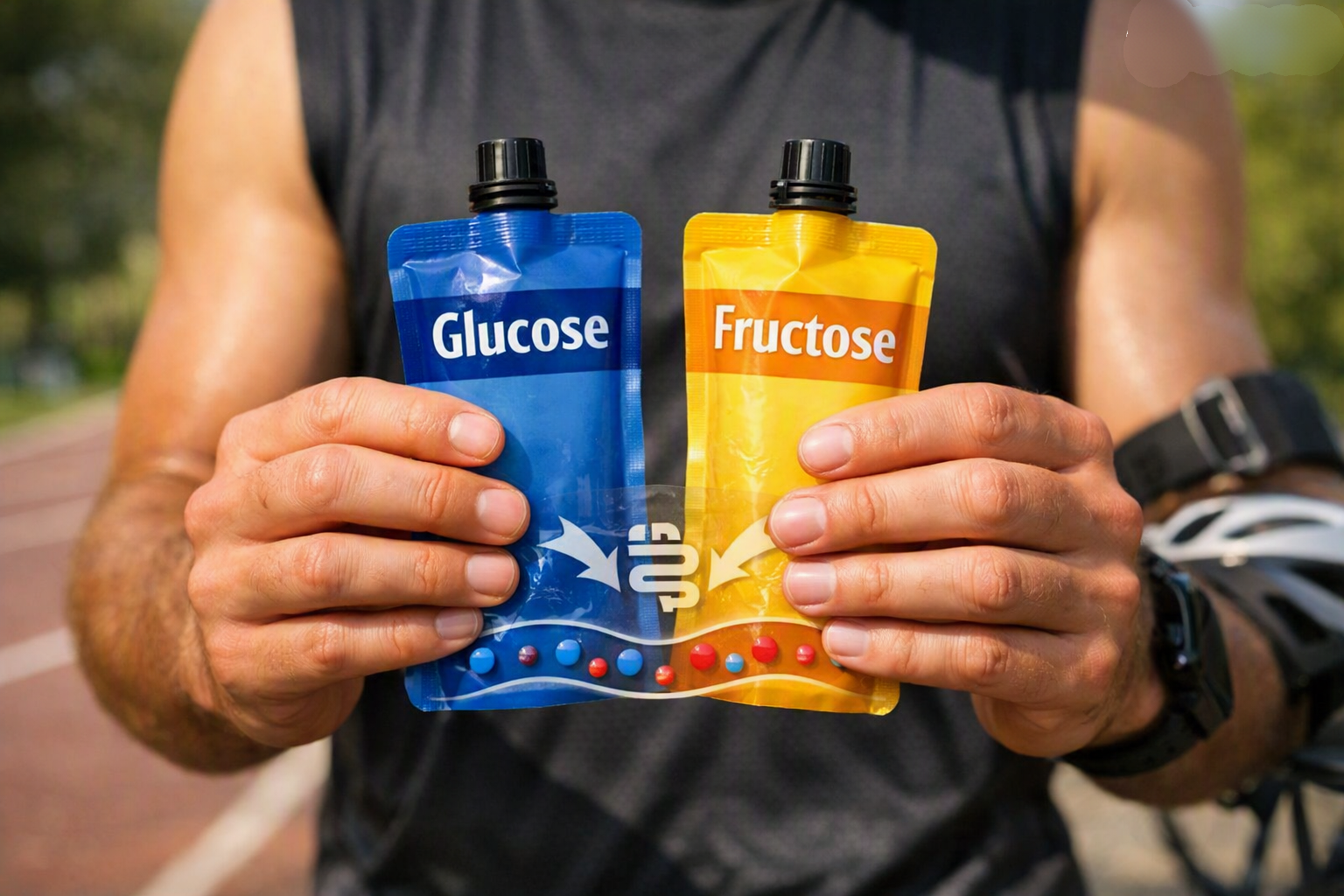
For many athletes, performance doesn’t break down because of fitness—it breaks down because of the gut. Cramping, bloating, nausea, or that uncomfortable “sloshing” feeling during training or competition is often related to how carbohydrates are absorbed, not just how much is being consumed.
Two of the most important carbohydrates in sports nutrition are glucose and fructose. While both provide energy, they are absorbed differently in the small intestine, and that difference is what makes their ratio so important for both performance and gastrointestinal (GI) comfort.
Glucose is absorbed through a sodium-dependent transporter in the gut, while fructose is absorbed via a separate pathway. Because they rely on different transport systems, the body can absorb more total carbohydrate per hour when both are consumed together than when relying on glucose alone.
When athletes consume large amounts of glucose without fructose, the transport system can become saturated. At that point, carbohydrates can linger in the gut rather than being absorbed efficiently, increasing the likelihood of GI symptoms such as bloating, cramping, or nausea, especially during high-intensity or long-duration exercise.
This is where carbohydrate ratios become important. Many sports nutrition products use a combination of glucose and fructose to improve absorption and reduce gut stress. A common example is a 2:1 glucose-to-fructose ratio, which allows athletes to increase total carbohydrate intake while maintaining better tolerance during longer sessions. Some newer formulations use even more precise ratios to support very high carbohydrate intakes in endurance athletes.
It’s important to note, though, that more carbohydrate is not always better. Even with improved absorption from multiple transportable carbohydrates, GI tolerance is highly individual. Factors like training status, exercise intensity, duration, hydration, and personal sensitivity all play a role in how well an athlete tolerates fueling during exercise.
This is why gut training is becoming an increasingly important part of sports nutrition. Just like muscles adapt to training, the digestive system can also adapt to higher carbohydrate intake over time when consistently trained.
For athletes, the goal isn’t just to maximize carbohydrate intake; it’s to find a strategy that is both effective and tolerable. Understanding how glucose and fructose work together helps make fueling more predictable and reduces the risk of GI issues when it matters most.
Disclaimer: The information in this article is for educational purposes only and is not intended as medical advice. Please consult a healthcare professional or registered dietitian before making any significant changes to your diet.
Extra Credit Reads
 2
How to Shop Smart: Reading Unit Prices and Other Grocery Store Tricks
The biggest skill nobody teaches before college isn’t cooking, it’s grocery shopping. Walking into a store with a budget and walking out having actually stuck to it takes a little bit of strategy, and most of that strategy comes down to one small number most people walk right past: the unit price.
 2
Are Carbs Actually the Villain?
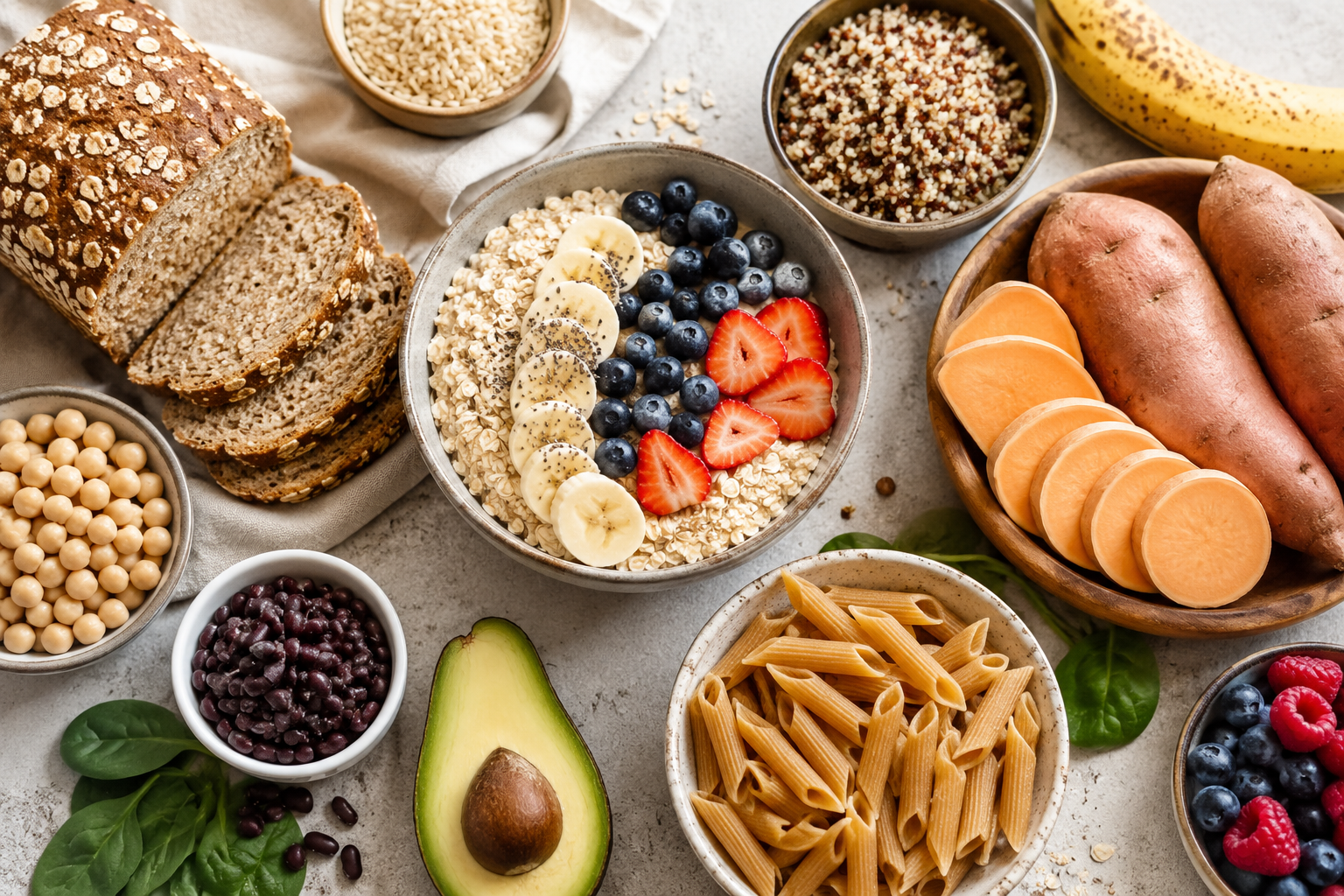
When we think of carbohydrates, many may think of processed foods like burgers, pastries, soda, etc. Even though those foods do consist of carbs, that doesn’t mean ALL carbs are bad for you! Take into account fruit, whole grains, vegetables, legumes, and more. These are also known as complex carbs, which provide our bodies with essential vitamins and minerals and help keep us satiated. On the other hand, simple and refined carbs are most likely found in sweets and processed foods. These do not contain as many nutrients; however, everything is good in moderation!
 2
Stress and Digestion: Why Your Gut Feels Different During Busy Times
Stress doesn’t just affect your mind—it affects your gut, too. Understanding the connection between stress and digestion can help you recognize why your stomach may feel different during busy or high-pressure times. By prioritizing consistent fueling, hydration, sleep, and stress management, you’ll be supporting not only your digestive health but also your recovery and athletic performance.
 3
Who Really Needs Electrolytes?
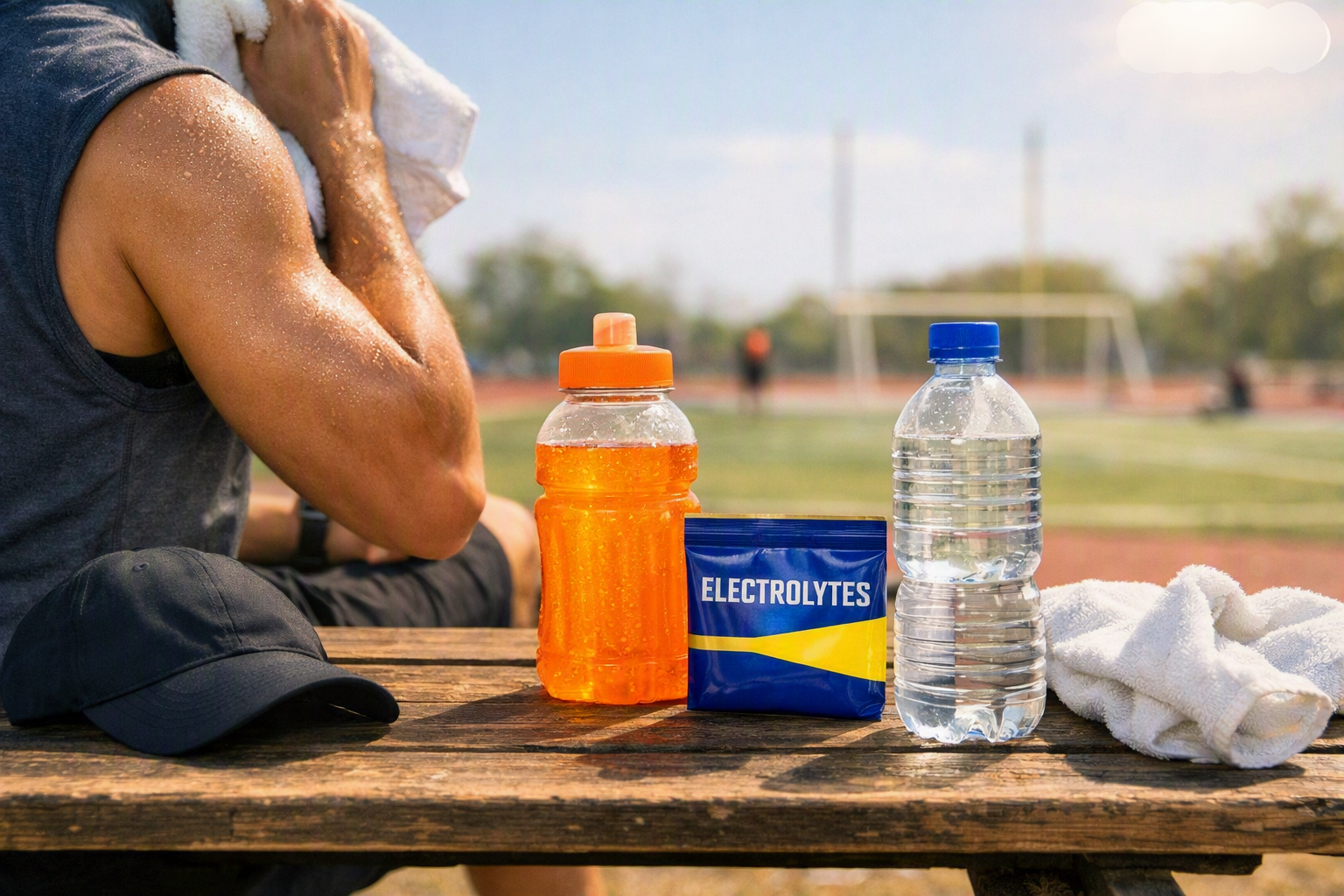
Electrolytes, mainly sodium, potassium, magnesium, and calcium, help regulate fluid balance, nerve signaling, and muscle contractions. They are lost through sweat, which is why they become relevant during longer or more intense training sessions. The important distinction is that electrolyte needs are based on sweat loss, not sport participation, age, or how hard you feel like you’re working.
Course Catalog
apartment cooking athlete nutrition avocado bacon Banana beginners beverage bread buffalo sauce caffeine cake Campus Dining Hacks carbohydrates cheese chia seeds Chicken chickpeas chocolate coconut oil coffee Dorm Cooking dorm cooking Easy Protein Sources Eating on a Budget eggs Featured Food Labels Simplified Food Safety Foundations General Nutrition Granola Greek yogurt healthy eating Hydration hydration macronutrients meal prep Meal Prep Basics milk Nutrition Basics oats Peanut butter pumpkin Reheating food Sports Nutrition sports nutrition Sugar Supplements supplements Wellness