
Why Hydration is Key: More Than Just Quenching Thirst

We all know we’re supposed to drink water, but do you know why it’s so vital for your health? Your body is about 60% water, and every single system depends on it. From regulating your body temperature to keeping your joints lubricated, hydration is a cornerstone of well-being.
HOW MUCH WATER DO YOU REALLY NEED?
The old “eight glasses a day” rule is a good starting point, but your individual needs can vary based on your activity level, climate, and overall health. A better guide is to drink water consistently throughout the day, even before you feel thirsty. A general guideline for many people is to aim for about half your body weight in ounces of water per day.
SIGNS OF DEHYDRATION
Thirst isn’t the first sign of dehydration. By the time you feel thirsty, your body is already in need of fluids. Other early signs include:
- Dark yellow urine
- Dry mouth
- Fatigue or feeling tired
- Headaches
TIPS FOR STAYING HYDRATED
- Carry a Reusable Water Bottle: Having water on hand is the easiest way to remember to drink it.
- Eat Your Water: Many fruits and vegetables have high water content, like watermelon, cucumbers, and strawberries.
- Set Reminders: Use your phone or a smartwatch to set reminders to drink water every hour.
- Infuse with Flavor: If you find plain water boring, add slices of lemon, cucumber, or mint to make it more appealing.
KEY TAKEAWAYS
- Water is essential for nearly every bodily function.
- Don’t wait until you’re thirsty to drink.
- Find simple strategies that help you drink water consistently throughout the day.
Disclaimer: The information in this article is for educational purposes only and is not intended as medical advice. Please consult a healthcare professional for personalized hydration advice, especially if you have a medical condition.
Extra Credit Reads
 2
How to Shop Smart: Reading Unit Prices and Other Grocery Store Tricks
The biggest skill nobody teaches before college isn’t cooking, it’s grocery shopping. Walking into a store with a budget and walking out having actually stuck to it takes a little bit of strategy, and most of that strategy comes down to one small number most people walk right past: the unit price.
 2
Food Storage
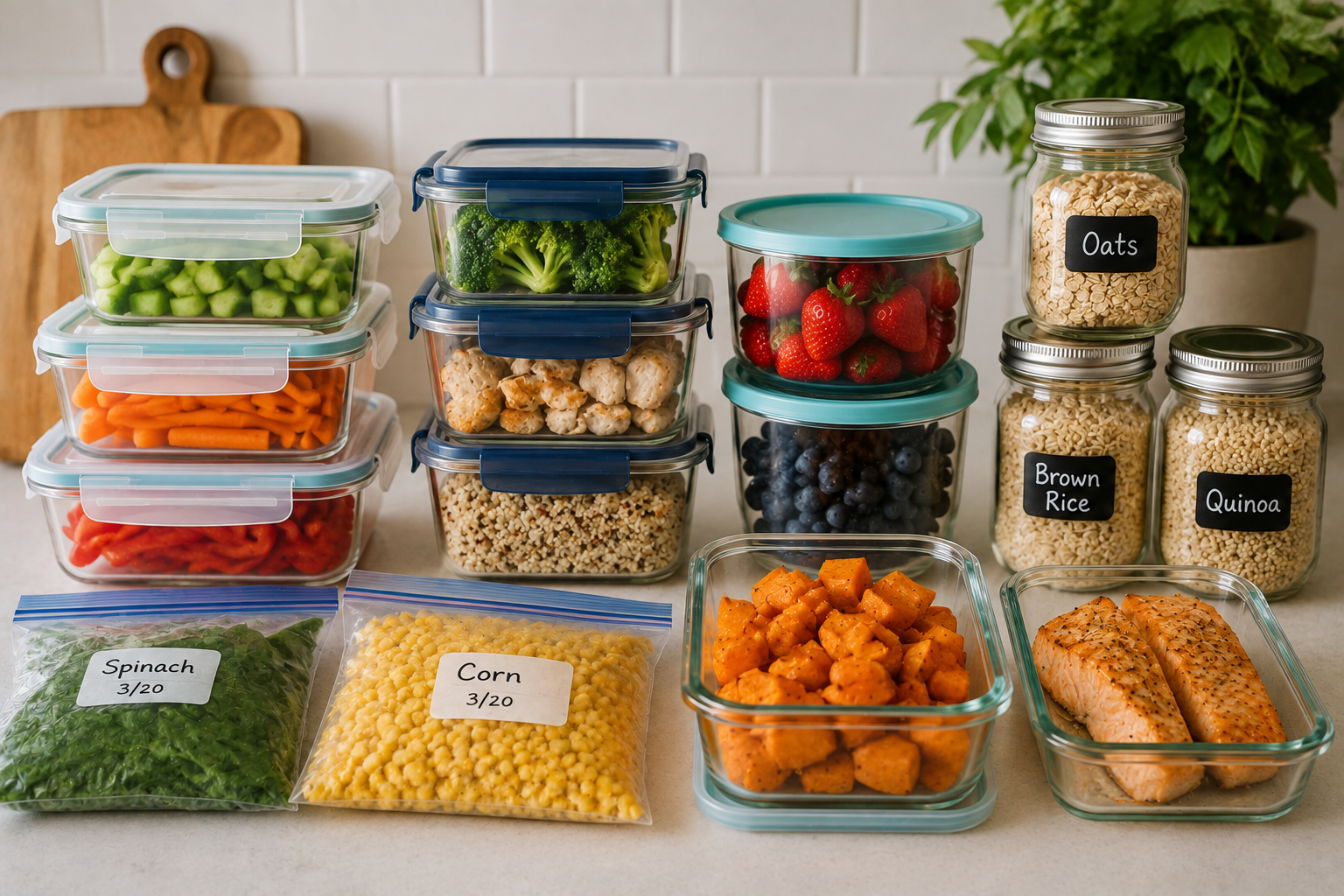
Proper food storage is crucial for maintaining food safety, reducing food waste, and saving money. Understanding the importance of food storage is crucial for college students, busy workers, and anyone preparing meals for the week, as it helps keep food fresh and prevent foodborne illnesses.
 2
Making Smart Choices in the Dining Hall
When you first go to college, the dining hall can be intimidating with the variety of food choices and places to eat breakfast, lunch, or dinner. With a few simple strategies, eating smart in the dining hall is very achievable while still enjoying your favorite meals and snacks!
 2
Electrolytes 101: How to Choose the Right One
Ever hear people talk about “counting their macros” and wonder what it all means? Macronutrients are the three main types of nutrients your body needs in large amounts to function correctly: carbohydrates, proteins, and fats. Understanding what they do can empower you to build a healthier, more balanced diet.
Course Catalog
apartment cooking athlete nutrition avocado bacon Banana beginners beverage bread buffalo sauce caffeine cake Campus Dining Hacks carbohydrates cheese chia seeds Chicken chickpeas chocolate coconut oil coffee Dorm Cooking dorm cooking Easy Protein Sources Eating on a Budget eggs Featured Food Labels Simplified Food Safety Foundations General Nutrition Granola Greek yogurt healthy eating Hydration hydration macronutrients meal prep Meal Prep Basics milk Nutrition Basics oats Peanut butter pumpkin Reheating food Sports Nutrition sports nutrition Sugar Supplements supplements Wellness