
Food Storage
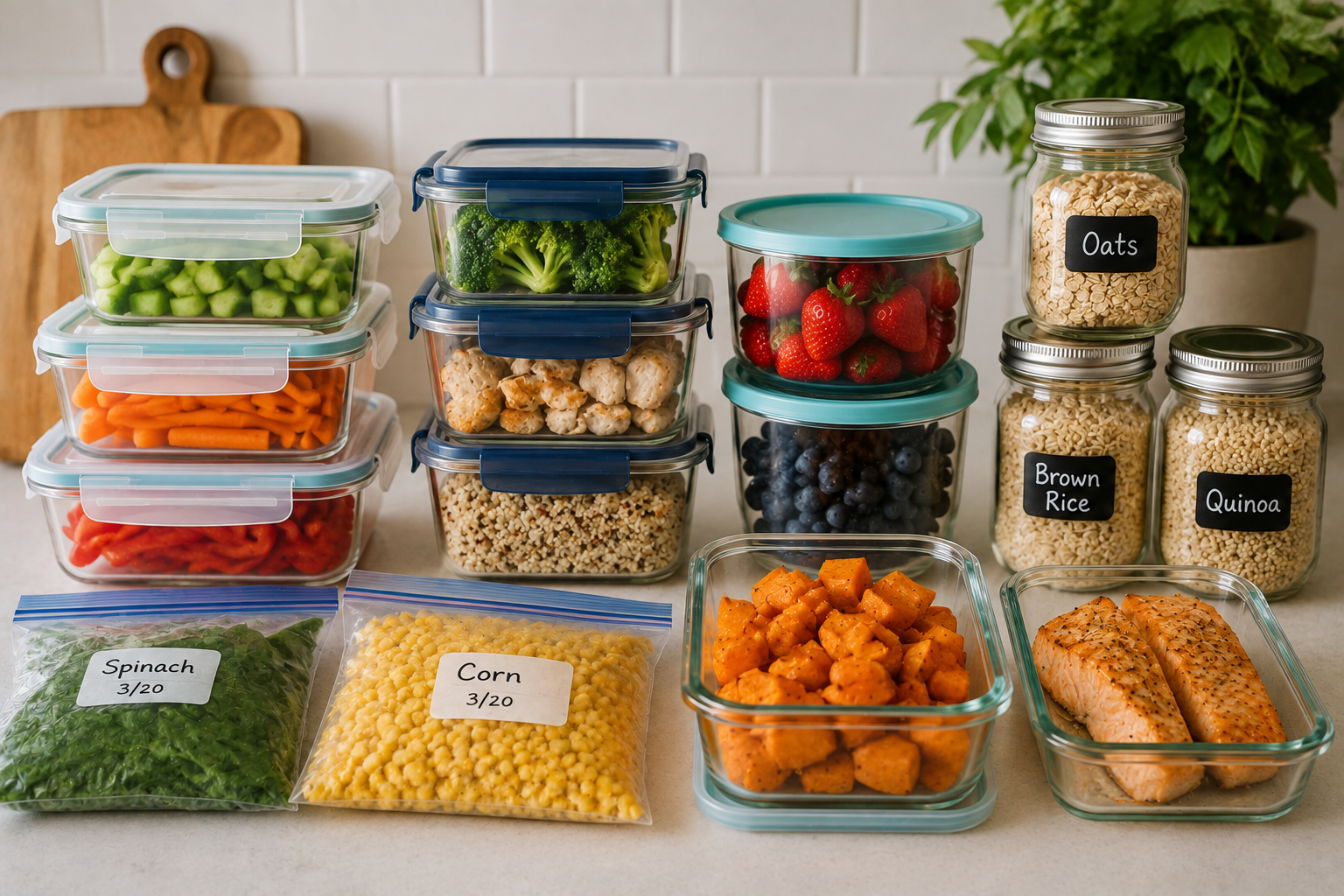
Proper food storage is crucial for maintaining food safety, reducing food waste, and saving money. Understanding the importance of food storage is crucial for college students, busy workers, and anyone preparing meals for the week, as it helps keep food fresh and prevent foodborne illnesses.
Tips for Refrigerator Storage:
- Your refrigerator should be set to 40°F or below. This prevents pathogenic bacteria from multiplying in the danger zone (Internal Temperatures of Food).
- All perishable foods should be refrigerated within two hours. However, if the room temperature is 90°F or above, then the food should be refrigerated after one hour.
- Have a power outage? Refrain from opening the refrigerator door at this time. The food in the refrigerator will remain safe for about 4 hours.
- The arrangement of your shelves also helps prevent food from spoiling.
- The top shelf of the refrigerator should contain drinks, produce, ready-to-eat foods, and leftovers from the night before.
- The middle shelf should contain cheese, raw dairy, and eggs
- The bottom shelf should contain poultry, raw meat, and seafood. This prevents any drippings from these items from getting onto the foods below them.
Time Limits:
- Fresh eggs, in shells: 3-5 weeks for consumption
- Ground meat, fish, poultry: 1-2 days for consumption
- Pork, beef, veal, lamb: 3-5 days for consumption
- Cooked leftovers: 3-4 days for consumption
Freezer Tip:
Storing food in the freezer is a great way to keep it for longer before it goes bad if you’re not going to eat it right away. Some examples of goods to store in the freezer include fruits and vegetables, baked goods, raw meat, cooked meat, and soups!
Helpful Tools for Storage:
There are many products out there that can make food storage easier and prevent food waste:
- Glass food storage containers are easy to clean, dishwasher-safe, and useful for meal prepping and leftovers.
- Reusable silicone bags can replace disposable bags and can store your favorite snacks, as well as produce.
- Mason jars are great for meal prepping (overnight oats, salad dressings, dry goods), and it’s easy to identify what’s in them when stored in the fridge.
- Produce storage containers can improve airflow around the produce, reduce spoilage, and help extend the shelf life of certain products.
- Freezer-safe, silicone containers are easy for batch cooking, meal prepping, and storing soups and leftovers. Plus, you can safely reheat in the container!
Extra Credit Reads
 2
The Apartment Starter Kit: Upgrading Your Setup From Dorm to Real Kitchen
You have an actual kitchen now. Here’s how to use it without overcomplicating it. The goal is the same as it was in the dorm: a small, intentional setup that actually gets used. Just with a little more room to grow.
 2
Electrolytes 101: How to Choose the Right One
Ever hear people talk about “counting their macros” and wonder what it all means? Macronutrients are the three main types of nutrients your body needs in large amounts to function correctly: carbohydrates, proteins, and fats. Understanding what they do can empower you to build a healthier, more balanced diet.
 2
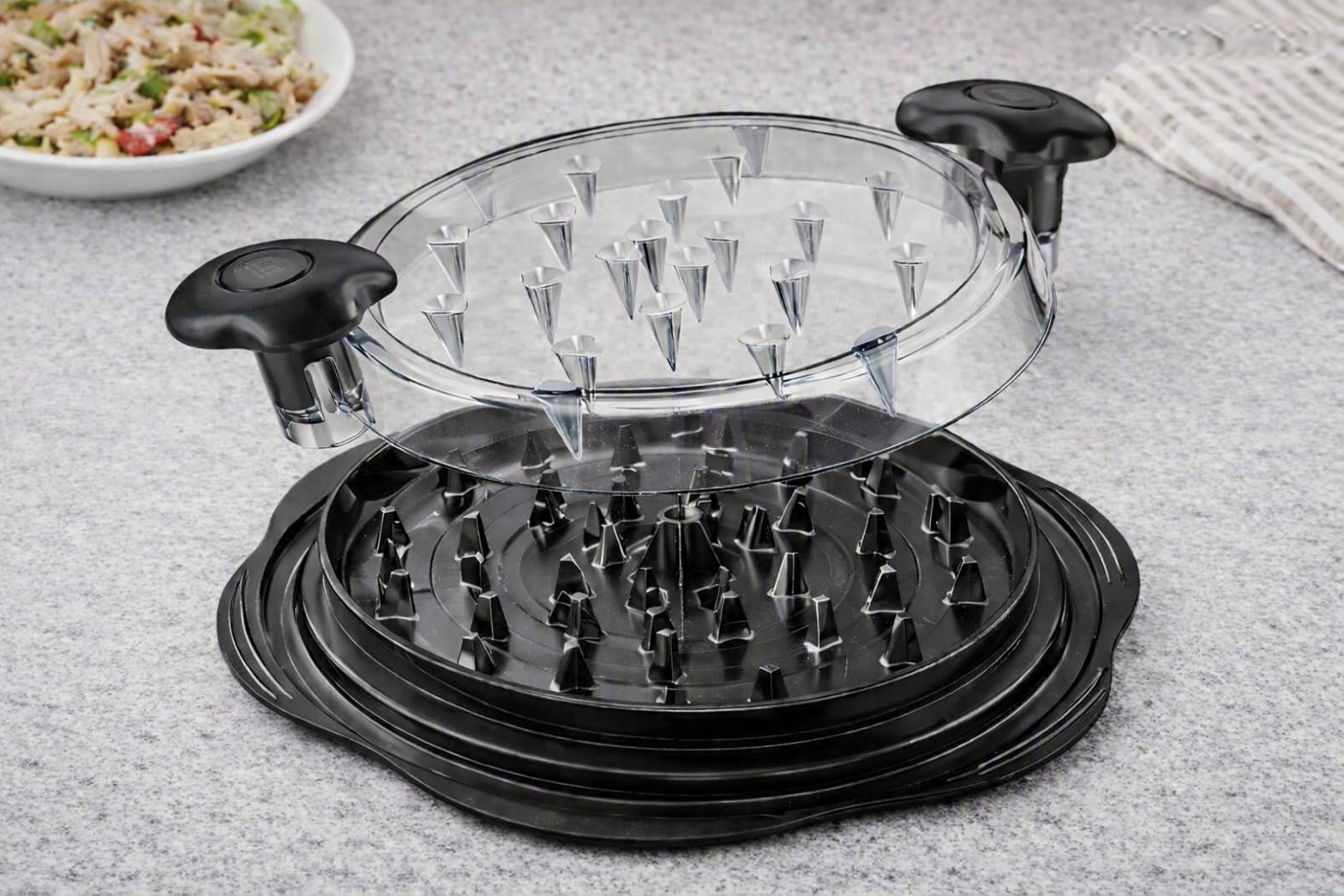
The Chicken Shredder: My Favorite Kitchen Tool for Fast, High-Protein Meals
One of the most underrated challenges in athlete nutrition isn’t cooking the food—it’s making it convenient enough to actually stick with. That’s where the chicken shredder tool comes in. Instead of spending extra time using forks or waiting for meat to cool just enough to pull apart by hand, this tool turns cooked chicken into shredded, ready-to-use protein in seconds.
For busy college athletes, that time savings adds up quickly. Meal prep becomes less of a chore and more of a quick, repeatable system that supports consistent fueling.
2
The Parent’s Checklist: How to Set Your Student Up Before You Leave
Move-in day is chaotic and the food conversation usually gets lost in the shuffle. Between hauling boxes, assembling furniture, and saying goodbye, nobody stops to talk about what your student is actually going to eat on Tuesday night when the dining hall is closed and they have no idea what to make. Here’s a simple way to make sure that conversation happens before you leave.
Course Catalog
apartment cooking athlete nutrition avocado bacon Banana beginners beverage bread buffalo sauce caffeine cake Campus Dining Hacks carbohydrates cheese chia seeds Chicken chickpeas chocolate coconut oil coffee Dorm Cooking dorm cooking Easy Protein Sources Eating on a Budget eggs Featured Food Labels Simplified Food Safety Foundations General Nutrition Granola Greek yogurt healthy eating Hydration hydration macronutrients meal prep Meal Prep Basics milk Nutrition Basics oats Peanut butter pumpkin Reheating food Sports Nutrition sports nutrition Sugar Supplements supplements Wellness