
Are Carbs Actually the Villain?
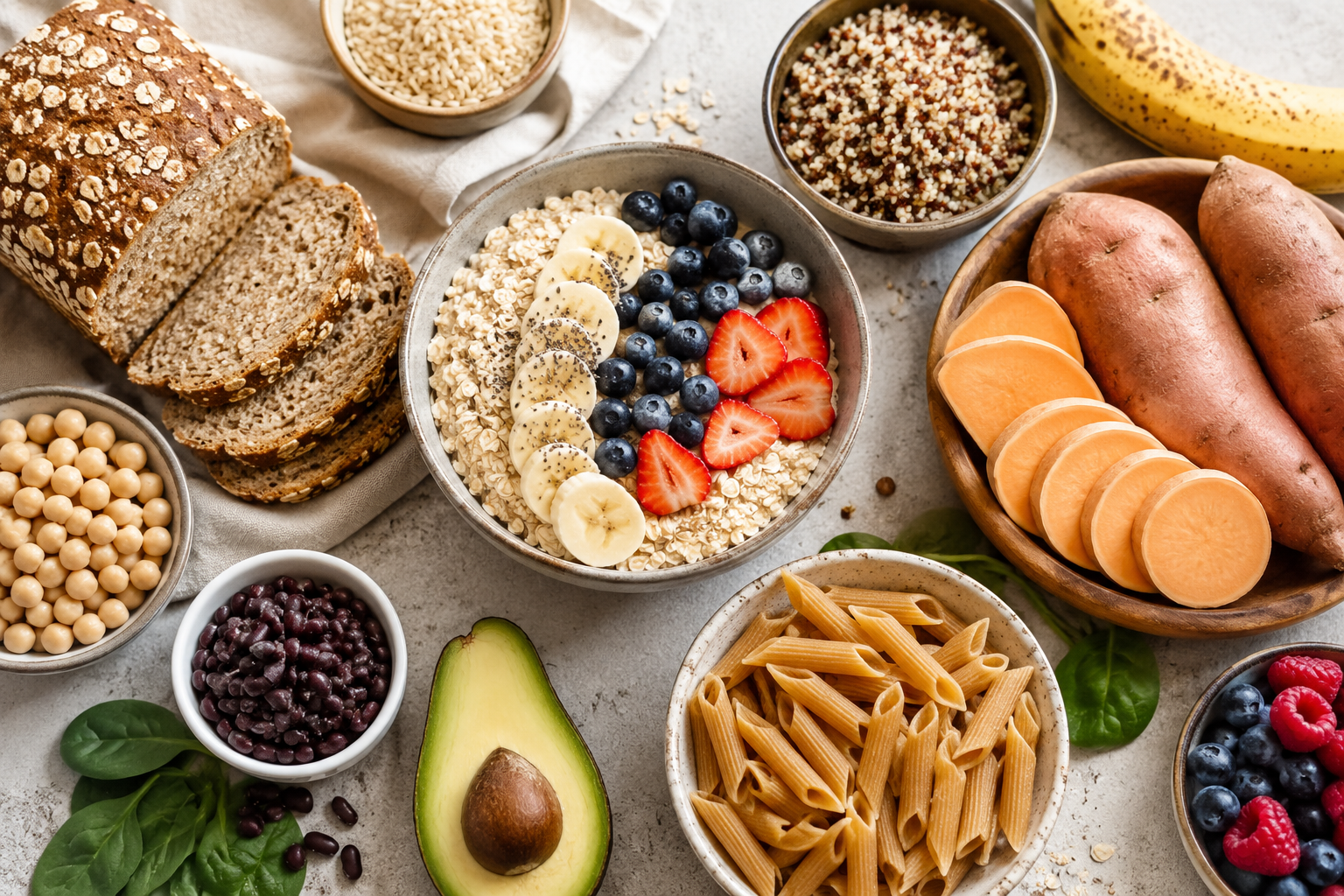
Imagine — you’re scrolling through social media, either Instagram or TikTok, and you see someone talking about how they ate bread and are now “fat” and have gained weight. I bet almost all of us have heard this at least once in our lifetime. My question is, how did this even come to be? How did carbs suddenly become the villain to so many people? Well, today we are going to walk through exactly why you should not be afraid of carbs and how they provide our bodies with amazing energy to live our daily lives.
When we think of carbohydrates, many people think of processed foods like burgers, pastries, and soda. Even though those foods do consist of carbs, that doesn’t mean ALL carbs are bad for you! Take into account fruit, whole grains, vegetables, legumes, and more. These are also known as complex carbs, which provide our bodies with essential vitamins and minerals and help keep us satiated. On the other hand, simple and refined carbs are most likely found in sweets and processed foods. These do not contain as many nutrients; however, everything is good in moderation!
To start, it is important to dive into the three macronutrients: carbohydrates, fats, and proteins. Carbohydrates serve as the body’s primary energy source, protein helps build and repair tissues, and fats help balance hormones and support cellular function. Macronutrients are needed in large amounts for the body to function properly and support daily movements.
Carbohydrates provide glucose, the preferred fuel for the brain, nervous system, and blood cells. So, when you consume carbs, they are broken down into glucose and stored in the liver or muscles for later use. When someone does not eat many carbohydrates, they may feel fatigued, experience increased hunger, or have lower athletic performance.
Many people link weight gain to their carbohydrate intake. However, carbohydrates are not the sole reason why one may gain weight. The real way someone gains weight is simply by consuming more calories than they burn. If someone cuts out carbs hoping to lose weight, it is most likely because they are in a calorie deficit. Rather than viewing carbs as the enemy, it is important to know what kinds of carbs are actually essential for you, and what types of carbs you are putting in your body. This can include eating more fruits and veggies, choosing whole grains, and limiting high-sugar or processed foods.
To conclude, carbohydrates are essential macronutrients that provide energy and nutrients to fuel our bodies properly. Instead of seeing themselves as the villain and feeling the need to be restricted, people should focus on choosing more nutrient-dense carbohydrate foods and adopting a balanced approach to nutrition!
Disclaimer: The information in this article is for educational purposes only and is not intended as medical advice. Please consult a healthcare professional or registered dietitian before making any significant changes to your diet.
Extra Credit Reads
 2
Glucose vs. Fructose: Why Carbohydrate Ratios Matter for Gut Comfort During Exercise
For many athletes, performance doesn’t break down because of fitness—it breaks down because of the gut. Cramping, bloating, nausea, or that uncomfortable “sloshing” feeling during training or competition is often related to how carbohydrates are absorbed, not just how much is being consumed.
 2
The Apartment Starter Kit: Upgrading Your Setup From Dorm to Real Kitchen
You have an actual kitchen now. Here’s how to use it without overcomplicating it. The goal is the same as it was in the dorm: a small, intentional setup that actually gets used. Just with a little more room to grow.
2
How to Shop Smart: Reading Unit Prices and Other Grocery Store Tricks
The biggest skill nobody teaches before college isn’t cooking, it’s grocery shopping. Walking into a store with a budget and walking out having actually stuck to it takes a little bit of strategy, and most of that strategy comes down to one small number most people walk right past: the unit price.
 2
The Internal Temperatures of Food
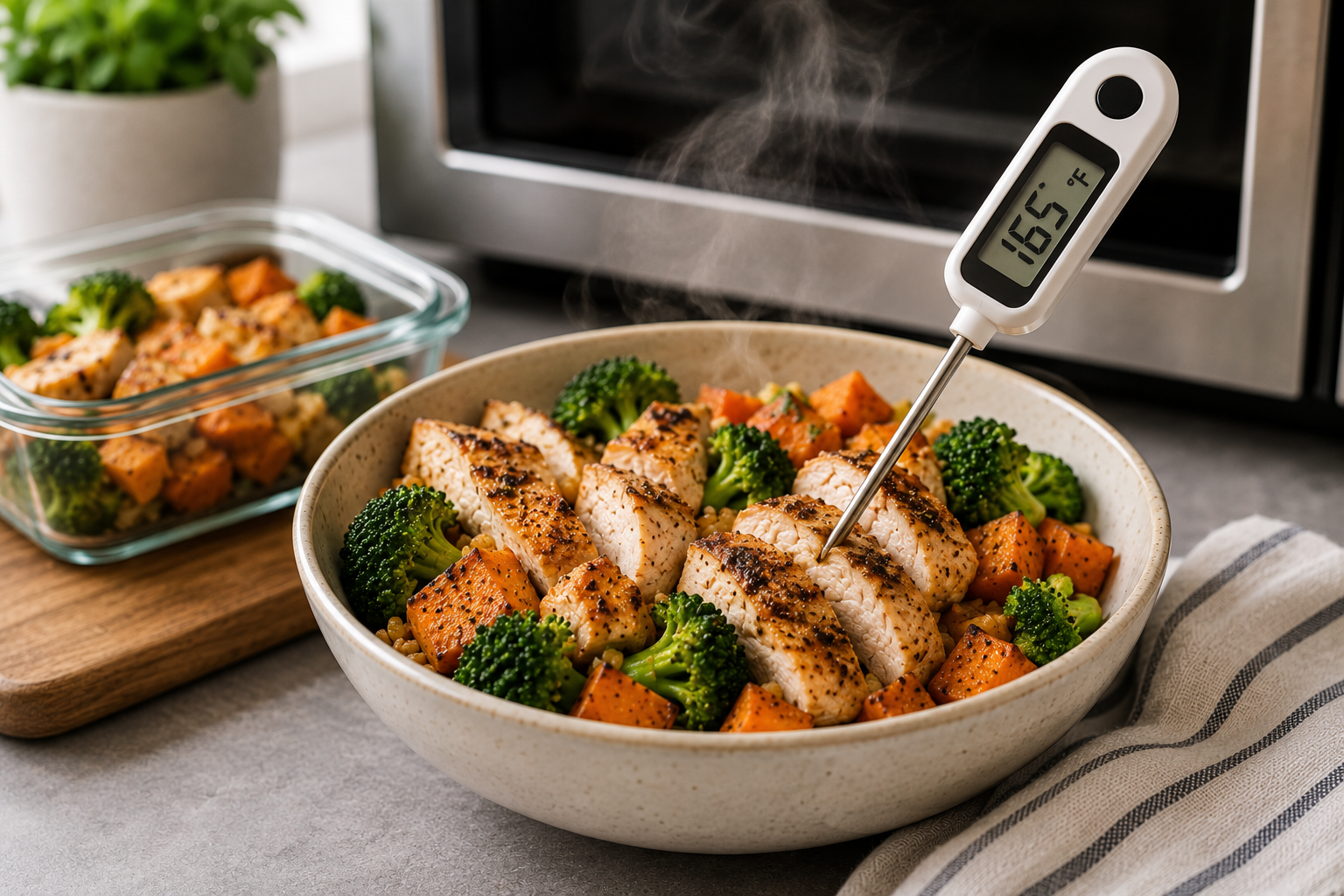
When cooking at home, many people rely solely on their eyes to determine whether a dish is fully cooked. However, the color and texture of the food do not always indicate that it is fully cooked. Using a meat thermometer can tell you the temperature of the food you are cooking, helping you determine if it is fully cooked. This is a very safe way to determine whether it is safe to eat, helping avoid food-related illnesses.
Poultry, seafood, eggs, and meats can contain harmful bacteria that, if eaten undercooked, can cause illness. This is why measuring the temperature of these foods is important for determining whether they are safe to consume.
Course Catalog
apartment cooking athlete nutrition avocado bacon Banana beginners beverage bread buffalo sauce caffeine cake Campus Dining Hacks carbohydrates cheese chia seeds Chicken chickpeas chocolate coconut oil coffee Dorm Cooking dorm cooking Easy Protein Sources Eating on a Budget eggs Featured Food Labels Simplified Food Safety Foundations General Nutrition Granola Greek yogurt healthy eating Hydration hydration macronutrients meal prep Meal Prep Basics milk Nutrition Basics oats Peanut butter pumpkin Reheating food Sports Nutrition sports nutrition Sugar Supplements supplements Wellness