
Cooking for One in College: Why It Feels Hard and Why It Doesn’t Have To Be

Why It Feels Hard and Why It Doesn’t Have To Be
Most recipes feed four. Most kitchen habits are built around a full fridge, a real stove, and someone who already knows what they’re doing. Nobody really teaches you how to cook for just yourself, and then suddenly you’re in a dorm room with a mini fridge, a microwave, and a dining hall swipe you forgot to use before it expired. For students, that first semester can feel like a crash course in figuring out how to actually feed yourself. For parents, it’s a different kind of worry: you spent years making sure there was always something in the fridge, and now you’re handing that over to someone who maybe made scrambled eggs once. This guide is for both of you.
What To Stock
You don’t need much to get started. A mini fridge stocked with eggs, Greek yogurt, shredded cheese, and tortillas covers most of your meals. A small pantry with oats, pasta, canned beans, soy sauce, peanut butter, and garlic powder handles the rest. Keep a bag of frozen edamame and frozen vegetables in the freezer for the nights when the fridge feels empty.
Three Habits That Actually Help
The first is mastering two or three meals you can make without thinking, one breakfast, one lunch, and one dinner. Overnight oats, a yogurt bowl, eggs in a mug, fried rice from leftover rice, and whatever’s in the fridge. Once those are automatic, everything else is just a bonus.
The second is cooking a little extra whenever you cook. If you’re making fried rice, make enough for tomorrow’s lunch. If you’re boiling pasta, make the whole box. Leftovers aren’t a compromise; they’re the whole strategy.
The third is giving yourself permission not to cook sometimes. Yogurt, fruit, and granola are a meal. A banana with peanut butter can be a snack. Crackers, cheese, and grapes can be a meal. Not everything needs a recipe or a stove. Let the easy options count.
For Parents
The most useful thing you can do before leaving campus is to stock the basics and have one honest conversation. Not a lecture about nutrition, just a simple check-in about what meals they actually like and whether they know how to make any of them. Leave them with a stocked mini fridge, a small pantry kit, and the confidence that figuring it out is part of the process.
Ready to start cooking? Browse our full beginner recipe collection built around exactly what’s in your fridge right now.
Extra Credit Reads
 2
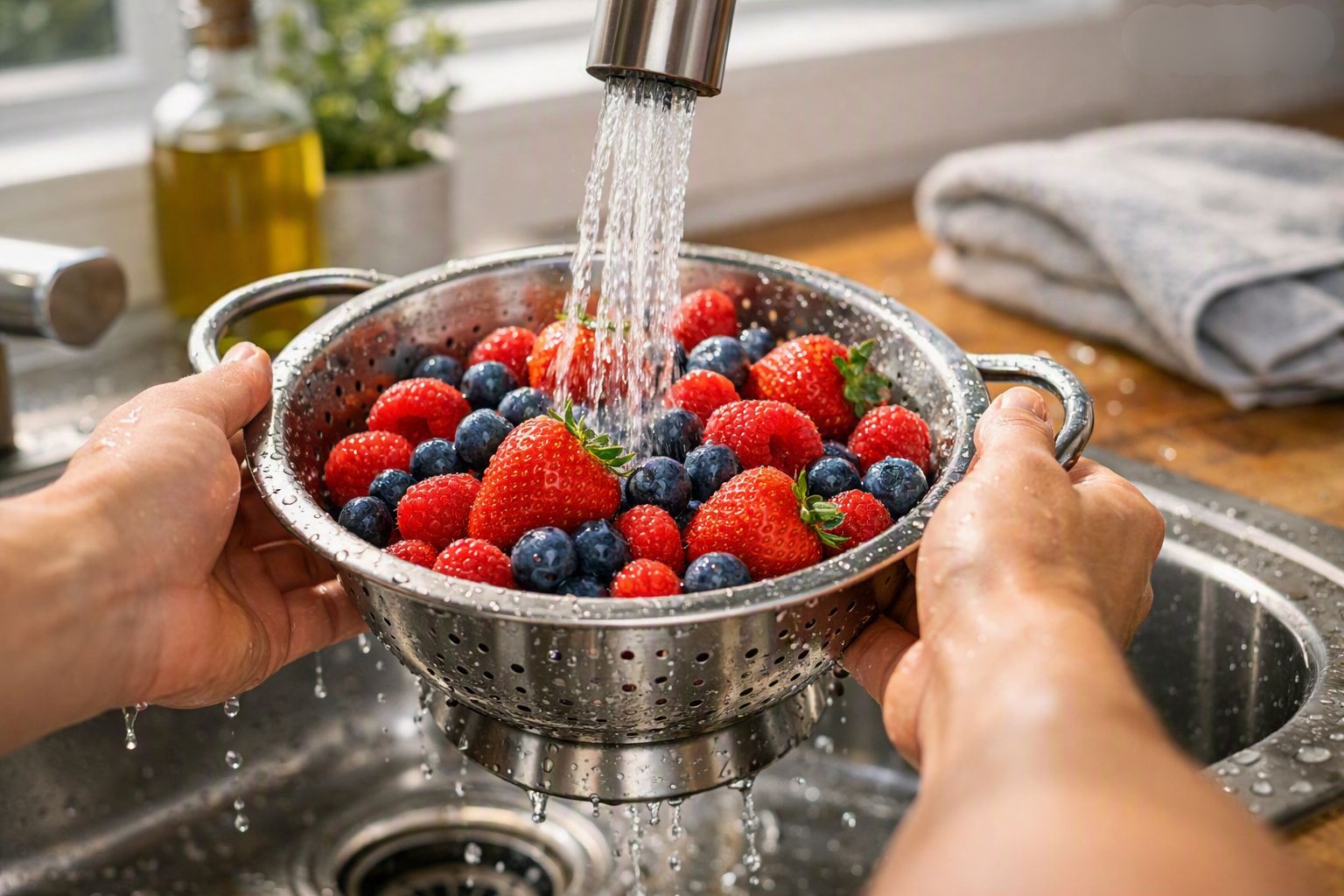
The Apartment Tools Worth Owning (And the One I’d Never Cook Without)
You don’t need a drawer full of gadgets to cook well in an apartment. Most of what you’ll actually reach for from week to week is a short list of simple, durable tools, and one of them, a wooden spoon, ends up doing more work than almost anything else in the kitchen.
 2
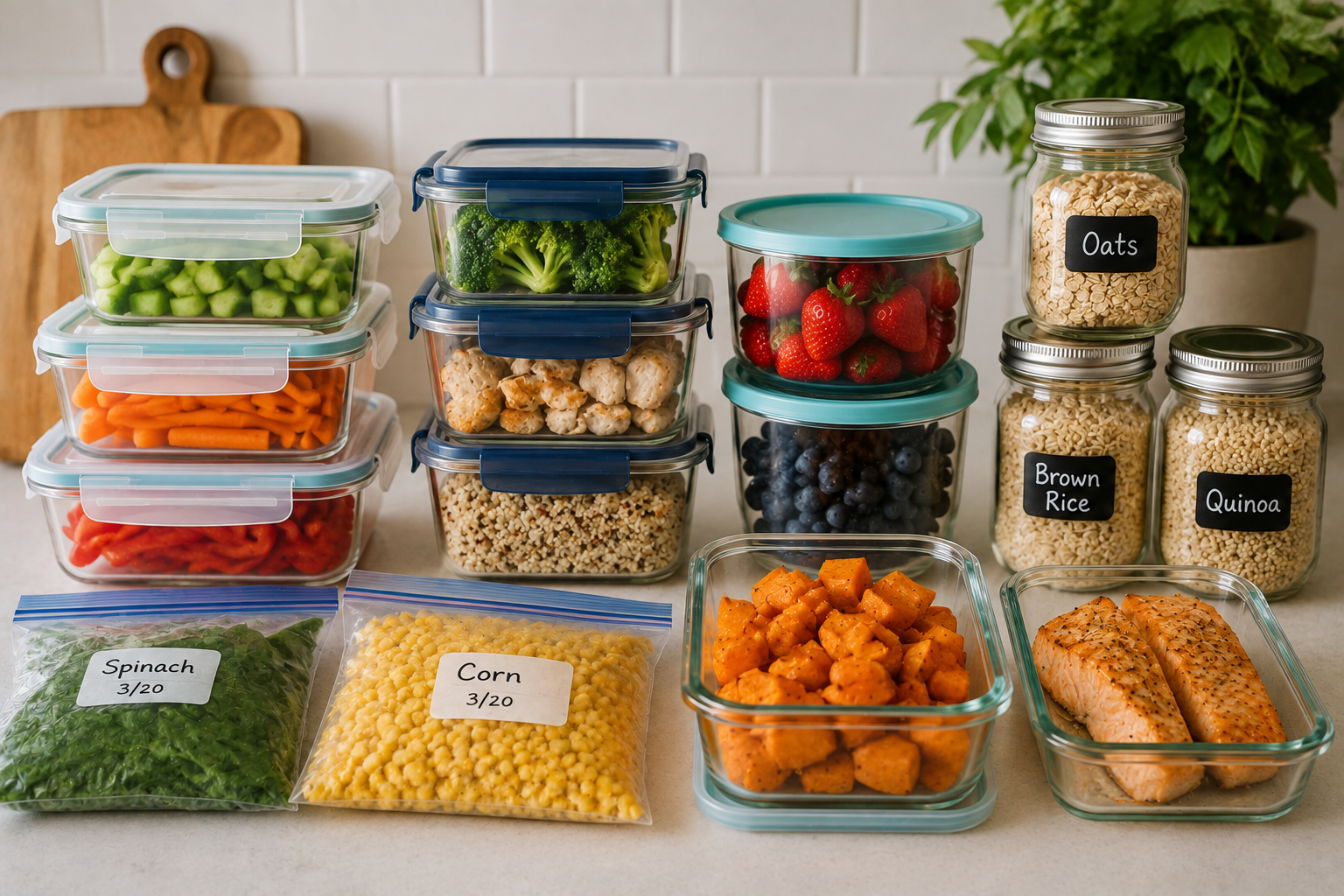
Food Storage
Proper food storage is crucial for maintaining food safety, reducing food waste, and saving money. Understanding the importance of food storage is crucial for college students, busy workers, and anyone preparing meals for the week, as it helps keep food fresh and prevent foodborne illnesses.
 0
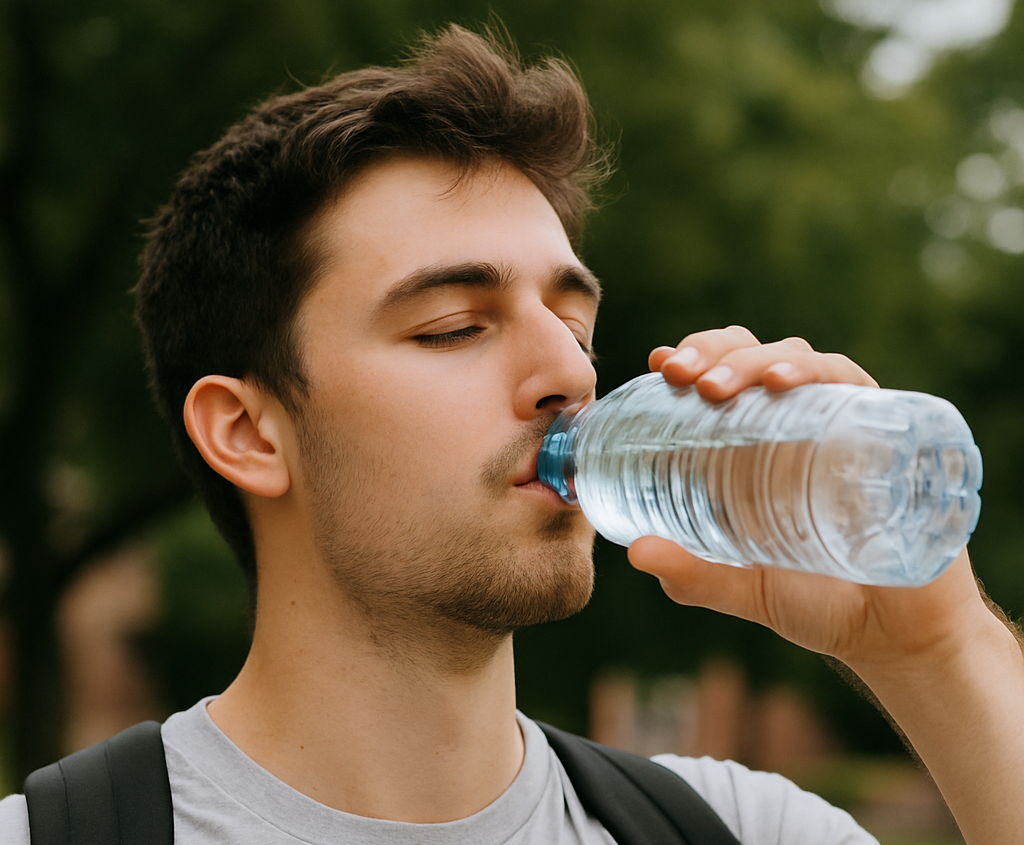
Why Hydration is Key: More Than Just Quenching Thirst
We all know we’re supposed to drink water, but do you know why it’s so vital for your health? Your body is about 60% water, and every single system depends on it. From regulating your body temperature to keeping your joints lubricated, hydration is a cornerstone of well-being.
2
The Apartment Starter Kit: Upgrading Your Setup From Dorm to Real Kitchen
You have an actual kitchen now. Here’s how to use it without overcomplicating it. The goal is the same as it was in the dorm: a small, intentional setup that actually gets used. Just with a little more room to grow.
Course Catalog
apartment cooking athlete nutrition avocado bacon Banana beginners beverage bread buffalo sauce caffeine cake Campus Dining Hacks carbohydrates cheese chia seeds Chicken chickpeas chocolate coconut oil coffee Dorm Cooking dorm cooking Easy Protein Sources Eating on a Budget eggs Featured Food Labels Simplified Food Safety Foundations General Nutrition Granola Greek yogurt healthy eating Hydration hydration macronutrients meal prep Meal Prep Basics milk Nutrition Basics oats Peanut butter pumpkin Reheating food Sports Nutrition sports nutrition Sugar Supplements supplements Wellness