
The Chicken Shredder: My Favorite Kitchen Tool for Fast, High-Protein Meals
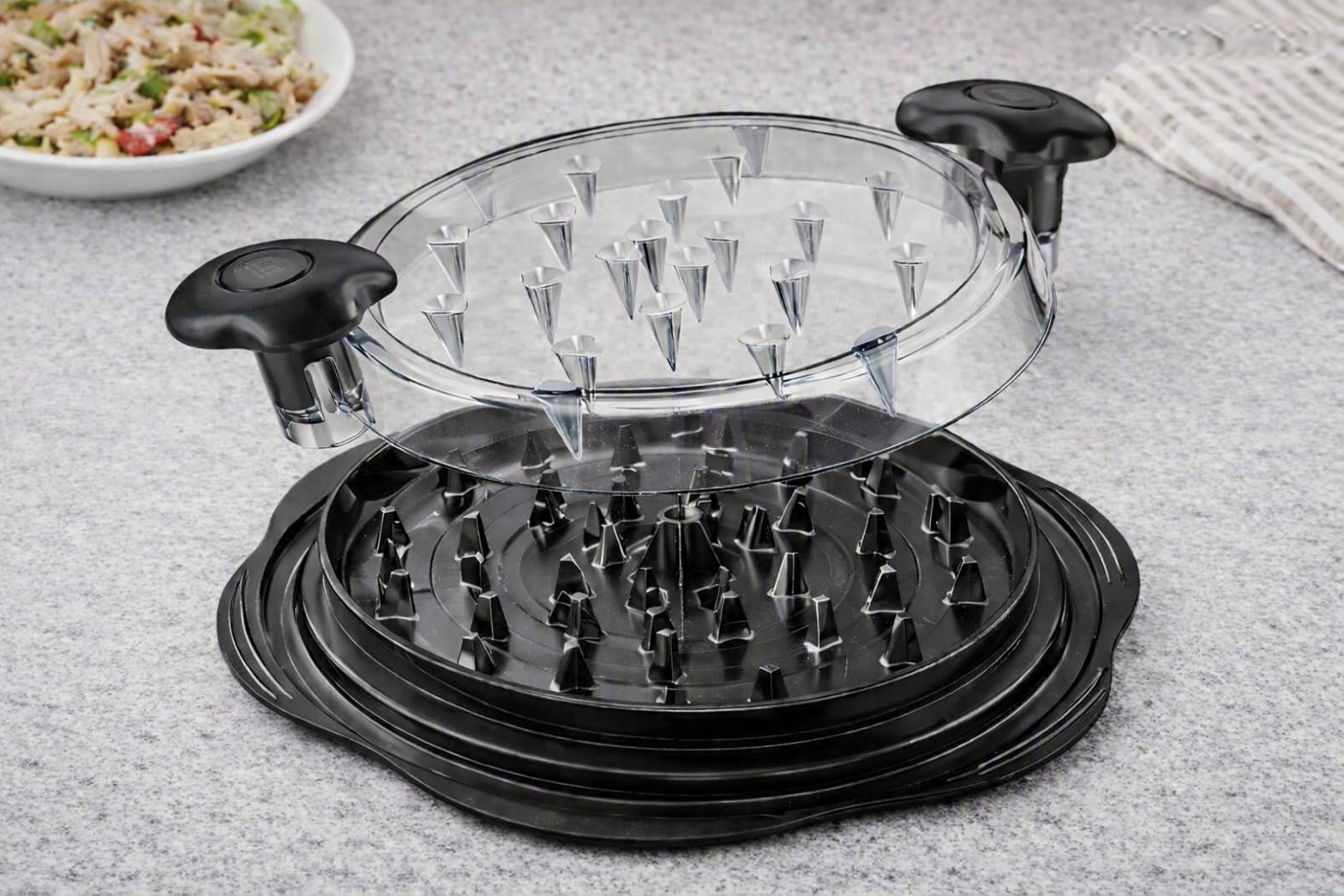
One of the most underrated challenges in athlete nutrition isn’t cooking the food—it’s making it convenient enough to actually stick with. That’s where the chicken shredder tool comes in. Instead of spending extra time using forks or waiting for meat to cool just enough to pull apart by hand, this tool turns cooked chicken into shredded, ready-to-use protein in seconds.
For busy college athletes, that time savings adds up quickly. Meal prep becomes less of a chore and more of a quick, repeatable system that supports consistent fueling.
Why Shredded Chicken Works So Well for Athletes
Shredded chicken is one of the most versatile protein options for performance nutrition. It’s easy to portion, easy to store, and works in just about anything—wraps, rice bowls, salads, tacos, or quick post-practice meals.
From a sports nutrition standpoint, consistency is key. Having a simple protein base ready to go makes it easier for athletes to meet daily protein needs without overthinking every meal. It also helps reduce reliance on convenience foods that may not support recovery as well.
How the Chicken Shredder Changes Meal Prep
The biggest advantage of the chicken shredder tool is efficiency. Instead of spending 10–15 minutes pulling chicken apart after cooking, the tool does it in a fraction of the time with a simple twist.
That means meal prep sessions become faster and more sustainable. Athletes are more likely to prep ahead when the process feels simple rather than overwhelming. It also helps reduce mess and maintain consistent texture, making meals more enjoyable throughout the week.
Another benefit is portion control. When chicken is shredded evenly, it’s easier to divide it into containers for multiple meals, ensuring balanced fueling across the day.
Making It Part of an Athlete’s Routine
Like any kitchen tool, its value comes from how often it’s used. The chicken shredder works best when paired with batch cooking—preparing a few pounds of chicken at once and then shredding it for multiple meals.
From there, it becomes a building block: add carbs for energy, vegetables for micronutrients, and sauces or seasonings for variety. This keeps meals flexible without requiring extra cooking every time.
The Bottom Line
The chicken shredder is a simple tool, but it supports one of the most important parts of athlete nutrition—consistency. Making protein prep faster and easier, it helps athletes stay on track with fueling, even during the busiest weeks of training and classes.
Sometimes the best performance tools aren’t supplements or gadgets in a gym bag—they’re the ones that make it easier to eat well every day: Chicken Shredder Tool.
Disclaimer: The information in this article is for educational purposes only and is not intended as medical advice. Please consult a healthcare professional or registered dietitian before making any significant changes to your diet.
Extra Credit Reads
 2
Electrolytes 101: How to Choose the Right One
Ever hear people talk about “counting their macros” and wonder what it all means? Macronutrients are the three main types of nutrients your body needs in large amounts to function correctly: carbohydrates, proteins, and fats. Understanding what they do can empower you to build a healthier, more balanced diet.
 2
The Apartment Starter Kit: Upgrading Your Setup From Dorm to Real Kitchen
You have an actual kitchen now. Here’s how to use it without overcomplicating it. The goal is the same as it was in the dorm: a small, intentional setup that actually gets used. Just with a little more room to grow.
 2
Are Carbs Actually the Villain?
When we think of carbohydrates, many may think of processed foods like burgers, pastries, soda, etc. Even though those foods do consist of carbs, that doesn’t mean ALL carbs are bad for you! Take into account fruit, whole grains, vegetables, legumes, and more. These are also known as complex carbs, which provide our bodies with essential vitamins and minerals and help keep us satiated. On the other hand, simple and refined carbs are most likely found in sweets and processed foods. These do not contain as many nutrients; however, everything is good in moderation!
 2
Making Smart Choices in the Dining Hall
When you first go to college, the dining hall can be intimidating with the variety of food choices and places to eat breakfast, lunch, or dinner. With a few simple strategies, eating smart in the dining hall is very achievable while still enjoying your favorite meals and snacks!
Course Catalog
apartment cooking athlete nutrition avocado bacon Banana beginners beverage bread buffalo sauce caffeine cake Campus Dining Hacks carbohydrates cheese chia seeds Chicken chickpeas chocolate coconut oil coffee Dorm Cooking dorm cooking Easy Protein Sources Eating on a Budget eggs Featured Food Labels Simplified Food Safety Foundations General Nutrition Granola Greek yogurt healthy eating Hydration hydration macronutrients meal prep Meal Prep Basics milk Nutrition Basics oats Peanut butter pumpkin Reheating food Sports Nutrition sports nutrition Sugar Supplements supplements Wellness