
Electrolytes 101: How to Choose the Right One
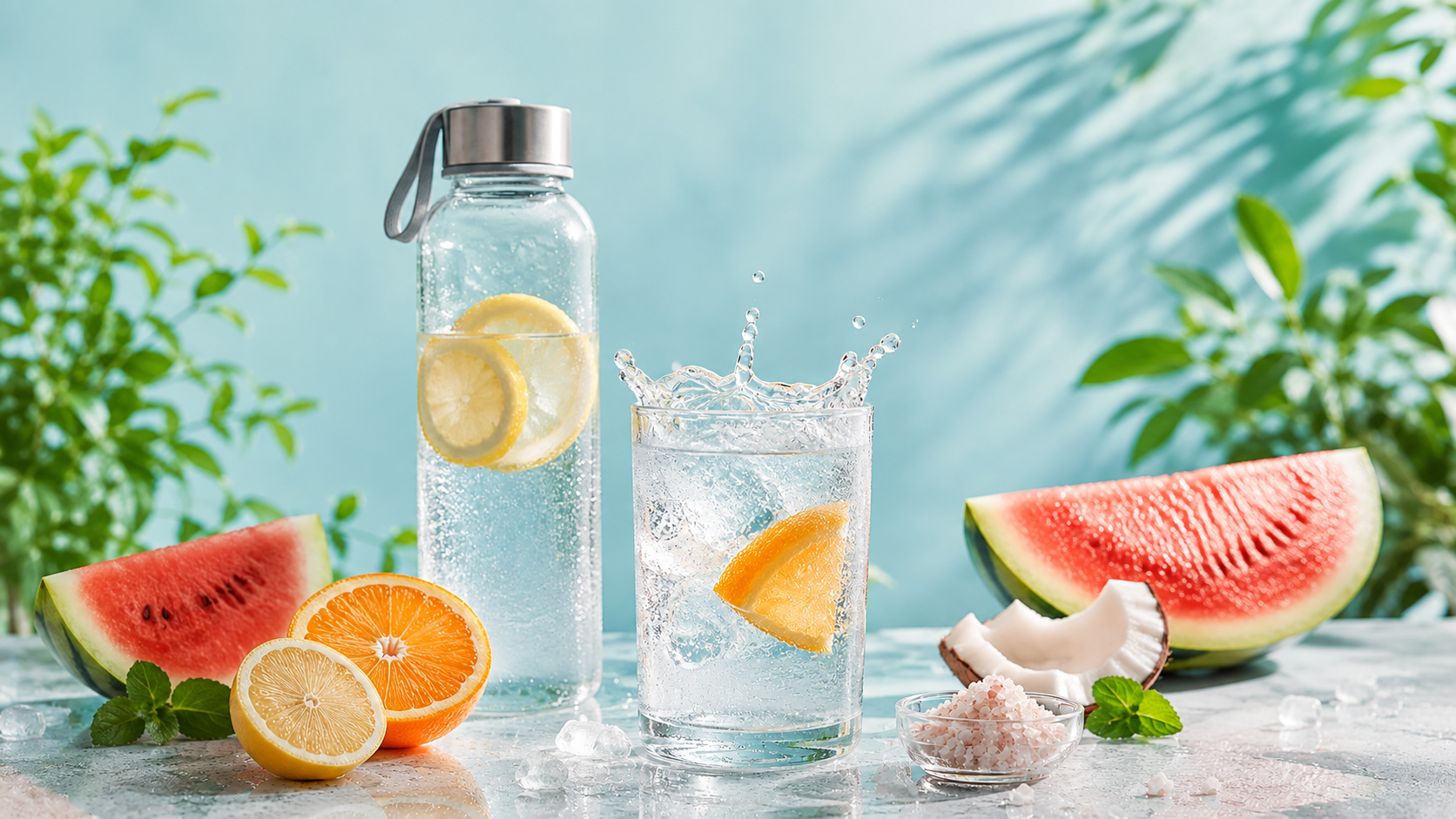
Walk into any supplement store, and you’ll find dozens of electrolyte products claiming to hydrate better, recover faster, or improve performance. Some contain 1,000 mg of sodium, while others have less than 100 mg. Some use real sugar, others rely on artificial or natural sweeteners.
So how do you know which one is right for you?
Start With Sodium
When athletes sweat, the primary electrolyte they lose is sodium. While potassium, magnesium, and calcium all play important roles in muscle contraction and nerve function, sodium is the nutrient most responsible for replacing sweat losses and maintaining hydration.
Electrolyte products can vary dramatically in sodium content:
- Low sodium: Less than 200 mg per serving
- Moderate sodium: 200–500 mg per serving
- High sodium: 500–1,000+ mg per serving
Higher isn’t always better.
For shorter workouts or athletes with lower sweat losses, a lower-sodium product—or even plain water—is often enough. Athletes training for long durations, exercising in the heat, or who are heavy sweaters may benefit from products with higher sodium concentrations.
What About Sweeteners?
Electrolyte products are often sweetened differently depending on the brand and intended use. You may see products made with natural sweeteners, non-nutritive sweeteners, or artificial sweeteners.
While many athletes focus on the type of sweetener, it’s important to remember that the sodium content and intended use of the product have a much greater impact on hydration than the sweetener itself. The best choice depends on your training duration, sweat losses, and personal preferences.
To learn more about the different types of sweeteners—including natural, non-nutritive, and artificial sweeteners—and their potential benefits and considerations, check out our blog post “Sweeteners: What are the Different Types?” (insert link).
Does Sugar Help Hydration?
One common misconception is that sugar always makes an electrolyte drink less healthy.
In reality, a small amount of carbohydrate can actually improve hydration during prolonged exercise. Sodium and glucose work together in the small intestine to enhance fluid absorption, which is why many sports drinks and oral rehydration solutions contain both.
However, if you’re only exercising for 30–60 minutes, those extra carbohydrates usually aren’t necessary.
Choosing the Right Electrolyte
Ask yourself a few questions:
- How long will I be exercising?
- Am I training in hot or humid conditions?
- Do I sweat heavily?
- Do I also need carbohydrates for energy?
Your answers matter more than the brand on the label.
The Bottom Line
The best electrolyte isn’t the one with the most sodium or the cleanest ingredient list—it’s the one that matches your training demands.
For many workouts, water is all you need. But during long practices, competitions, or hot-weather training, an electrolyte drink with the appropriate amount of sodium—and, when needed, carbohydrates—can help replace sweat losses and support performance.
Understanding the sodium content, ingredient list, and sweetener type can help you choose a product that fits your goals instead of simply following the latest trend.
Disclaimer: The information in this article is for educational purposes only and is not intended as medical advice. Please consult a healthcare professional or registered dietitian before making any significant changes to your diet.
Extra Credit Reads
 2
Cooking for One in College: Why It Feels Hard and Why It Doesn’t Have To Be
Most recipes feed four. Most kitchen habits are built around a full fridge, a real stove, and someone who already knows what they’re doing. Nobody really teaches you how to cook for just yourself, and then suddenly you’re in a dorm room with a mini fridge, a microwave, and a dining hall swipe you forgot to use before it expired. For students, that first semester can feel like a crash course in figuring out how to actually feed yourself. For parents, it’s a different kind of worry: you spent years making sure there was always something in the fridge, and now you’re handing that over to someone who maybe made scrambled eggs once. This guide is for both of you.
 0
Why Hydration is Key: More Than Just Quenching Thirst
We all know we’re supposed to drink water, but do you know why it’s so vital for your health? Your body is about 60% water, and every single system depends on it. From regulating your body temperature to keeping your joints lubricated, hydration is a cornerstone of well-being.
2
The Apartment Tools Worth Owning (And the One I’d Never Cook Without)
You don’t need a drawer full of gadgets to cook well in an apartment. Most of what you’ll actually reach for from week to week is a short list of simple, durable tools, and one of them, a wooden spoon, ends up doing more work than almost anything else in the kitchen.
2
The Parent’s Checklist: How to Set Your Student Up Before You Leave
Move-in day is chaotic and the food conversation usually gets lost in the shuffle. Between hauling boxes, assembling furniture, and saying goodbye, nobody stops to talk about what your student is actually going to eat on Tuesday night when the dining hall is closed and they have no idea what to make. Here’s a simple way to make sure that conversation happens before you leave.
Course Catalog
apartment cooking athlete nutrition avocado bacon Banana beginners beverage bread buffalo sauce caffeine cake Campus Dining Hacks carbohydrates cheese chia seeds Chicken chickpeas chocolate coconut oil coffee Dorm Cooking dorm cooking Easy Protein Sources Eating on a Budget eggs Featured Food Labels Simplified Food Safety Foundations General Nutrition Granola Greek yogurt healthy eating Hydration hydration macronutrients meal prep Meal Prep Basics milk Nutrition Basics oats Peanut butter pumpkin Reheating food Sports Nutrition sports nutrition Sugar Supplements supplements Wellness