
Sweeteners: What are the Different Types?
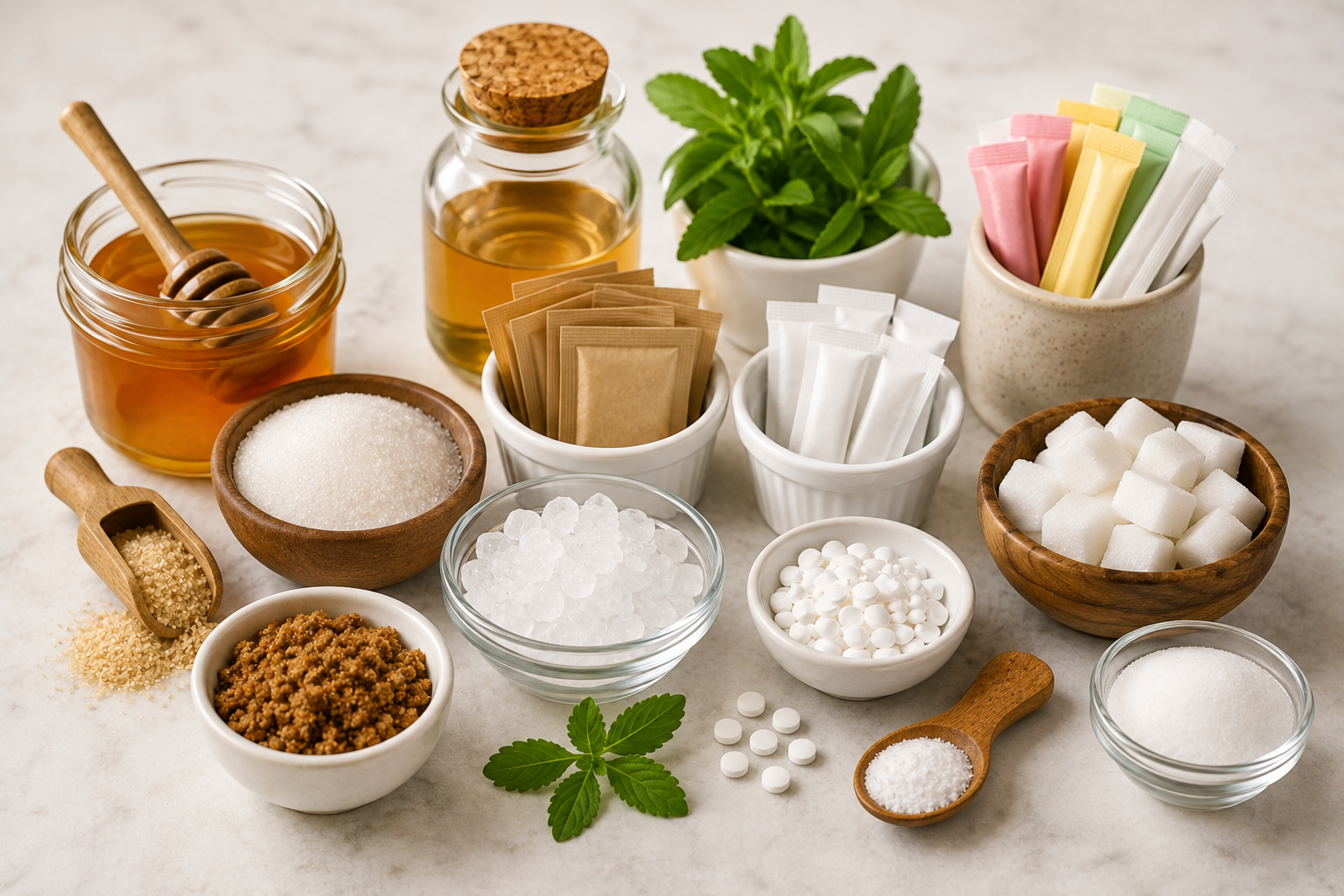
There are many types of sweeteners out there, and you may have come across a variety in your lifetime. But what are the differences between them? Are some better than others? From table sugar to honey to sucralose, sweeteners are found in baked goods, beverages, snacks, and many other foods. Understanding the different sweeteners out there can help you make informed decisions about which ones to choose and how they work in your body.
Non-nutritive Sweeteners:
A non-nutritive sweetener is a low-calorie or zero-calorie substitute for regular sugar. However, they have a very sweet taste that may taste even sweeter than regular sugar. These sweeteners help manage blood sugar levels. They are extracted from plants and have a sweet taste with little to no calories. They provide little to no calories because the human body cannot digest or metabolize them.
Examples of non-nutritive sweeteners:
- Monk fruit
- Stevia (Truvia, Sweetleaf)
Benefits:
- Can help manage blood sugar levels
- Reduces caloric intake
Disadvantages:
- Can cause digestive distress
- Possible bloating, gas, diarrhea
Nutritive Sweeteners:
Nutritive sweeteners provide calories from carbohydrates and contain 4 calories per gram. Nutritive sweeteners are also called sugars, caloric sweeteners, or added sugars. Some nutritive sweeteners come from fruits, veggies, and dairy products. These are usually split into two groups: sugars and sugar alcohols.
Sugars:
- Sucrose (table sugar)
- Fructose
- Galactose
- High fructose corn syrup
- Fruit juice, honey, molasses, agave
Sugar Alcohols:
Sugar alcohols, also known as polyols, are carbohydrate compounds used as low-calorie sweeteners in candy, sugar-free gum, and keto-friendly baked goods. Similar to non-nutritive sweeteners, they may cause digestive distress as eating large amounts can pull water into the intestines and ferment in the gut, causing gas, bloating, and diarrhea.
- Sorbitol
- Erythriotol
- Mannitol
- Maltitiol
- Xylitol
Artificial Sweeteners:
Artificial sweeteners are designed to provide a very sweet taste with few to no calories, similar to other non-nutritive sweeteners.
Examples:
- Sucralose (Splenda)
- Aspartame (Equal)
- Saccharin (sweet & low)
*Artificial sweeteners have the same advantages and disadvantages as non-nutritive sweeteners, as shown above*
Natural Sweeteners:
Natural sweeteners are sugar substitutes derived from plant sources such as leaves, fruit, and sap. These can also be separated into two categories: caloric natural sugars and zero-calorie plant extracts.
Caloric Unrefined Sugar:
- Honey
- Agave
- Date paste
- Coconut sugar
- Maple syrup
- Molasses
These sugars contain some nutrients but are still metabolized as sugar when consumed, providing calories.
Sweetener Summary:
| Type | Example | Calories | Notes |
| Nutritive | Honey, agave, maple syrup, sugar | ✔ | Provide energy from carbohydrates, sugars, and sugar alcohols |
| Artificial Non-Nutritive | Aspartame, sucralose, saccharin | ✖ | Used in many sugar-free foods |
| Natural Non-Nutritive | Monk Fruit, Stevia | ✖ | Plant-derived, very sweet |
What sweetener should I choose?
It is important to note that everything is good in moderation and that no sweetener is good or bad for you. Most choices depend on your health goals, preferences, or overall eating pattern. If someone is looking to reduce added sugar intake, they may choose to consume a non-nutritive sweetener. On the other hand, if someone prefers minimally processed foods, they may choose a natural sweetener!
Extra Credit Reads
 2
Are Carbs Actually the Villain?
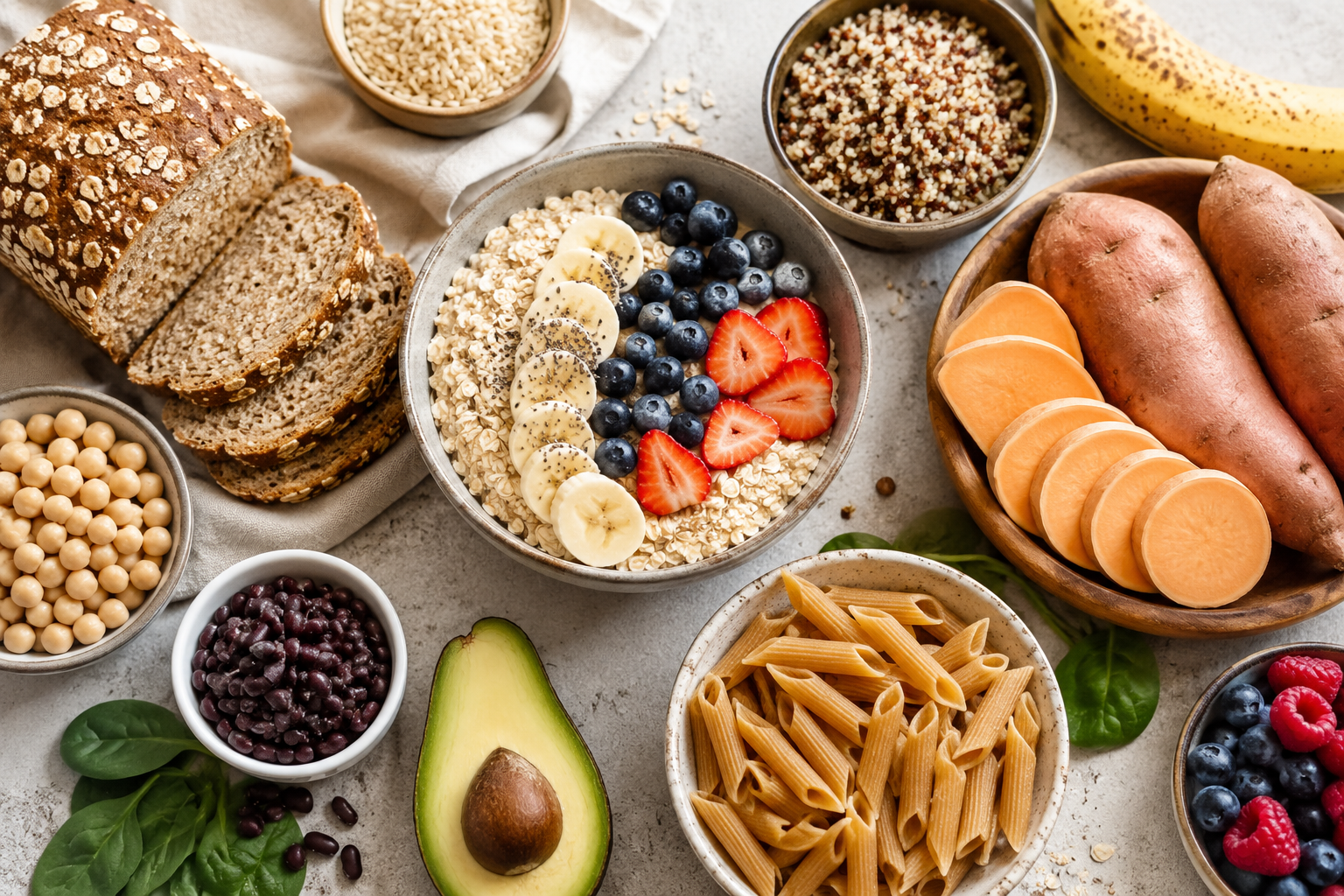
When we think of carbohydrates, many may think of processed foods like burgers, pastries, soda, etc. Even though those foods do consist of carbs, that doesn’t mean ALL carbs are bad for you! Take into account fruit, whole grains, vegetables, legumes, and more. These are also known as complex carbs, which provide our bodies with essential vitamins and minerals and help keep us satiated. On the other hand, simple and refined carbs are most likely found in sweets and processed foods. These do not contain as many nutrients; however, everything is good in moderation!
 2
The Apartment Tools Worth Owning (And the One I’d Never Cook Without)
You don’t need a drawer full of gadgets to cook well in an apartment. Most of what you’ll actually reach for from week to week is a short list of simple, durable tools, and one of them, a wooden spoon, ends up doing more work than almost anything else in the kitchen.
2
The Splurge That’s Actually Worth It: Why the Ninja Creami Belongs in Your Apartment
Most of the tools on this site are intentionally inexpensive: a wooden spoon, a sharp knife, and a good pan. But every so often, a kitchen gadget comes along that’s worth treating as an investment instead of a basic. The Ninja Creami is that gadget.
2
Cooking for One in College: Why It Feels Hard and Why It Doesn’t Have To Be
Most recipes feed four. Most kitchen habits are built around a full fridge, a real stove, and someone who already knows what they’re doing. Nobody really teaches you how to cook for just yourself, and then suddenly you’re in a dorm room with a mini fridge, a microwave, and a dining hall swipe you forgot to use before it expired. For students, that first semester can feel like a crash course in figuring out how to actually feed yourself. For parents, it’s a different kind of worry: you spent years making sure there was always something in the fridge, and now you’re handing that over to someone who maybe made scrambled eggs once. This guide is for both of you.
Course Catalog
apartment cooking athlete nutrition avocado bacon Banana beginners beverage bread buffalo sauce caffeine cake Campus Dining Hacks carbohydrates cheese chia seeds Chicken chickpeas chocolate coconut oil coffee Dorm Cooking dorm cooking Easy Protein Sources Eating on a Budget eggs Featured Food Labels Simplified Food Safety Foundations General Nutrition Granola Greek yogurt healthy eating Hydration hydration macronutrients meal prep Meal Prep Basics milk Nutrition Basics oats Peanut butter pumpkin Reheating food Sports Nutrition sports nutrition Sugar Supplements supplements Wellness