
Meal Prepping for Beginners
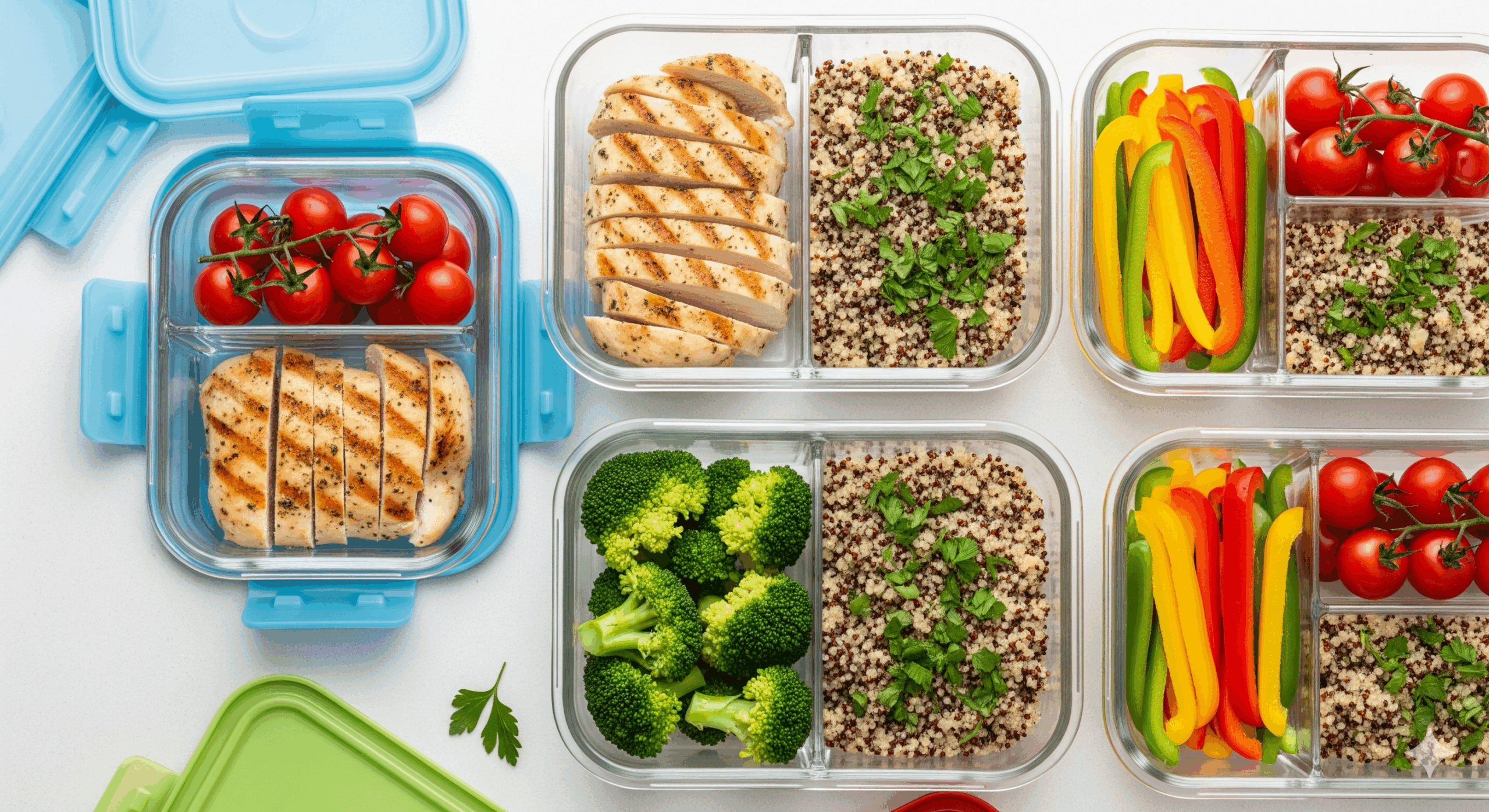
Meal prepping is the simple act of preparing some or all of your meals ahead of time. It might seem daunting, but it’s one of the most effective ways to maintain a healthy diet, reduce stress during the week, and save money on groceries and takeout.
STEP 1:
MAKE A PLAN Before you do anything, decide what you want to eat. You don’t have to plan every single meal. Start small! Maybe just plan your lunches for the work week.
- Choose Your Recipes: Pick simple recipes with overlapping ingredients. For example, grilled chicken can be used in salads, wraps, and grain bowls.
- Write a Grocery List: Based on your chosen recipes, create a detailed list of everything you’ll need. This prevents impulse buys at the store.
STEP 2:
GO SHOPPING Stick to your list! This is where you save money. Buy whole ingredients that you can prepare yourself. For example, buy a block of cheese instead of pre-shredded cheese, or a head of lettuce instead of a bagged salad kit.
STEP 3:
PREP AND STORE Set aside a couple of hours on a specific day (Sunday is popular) to do your prep work.
- Cook in Batches: Cook your grains (like quinoa or rice), roast a large pan of vegetables, and grill or bake your protein.
- Chop Veggies: Wash and chop vegetables so they are ready for salads as quick snacks.
- Portion It Out: Divide your cooked components into individual, airtight containers. This makes grabbing a healthy meal as easy as grabbing takeout.
KEY TAKEAWAYS
- Start small by planning just a few meals for the week.
- Make a detailed grocery list and stick to it
- Batch-cook staple ingredients such as grains, proteins, and roasted vegetables.
Disclaimer: The information in this article is for educational purposes only and is not intended as medical advice. Always practice safe food handling and storage techniques.
Extra Credit Reads
 2
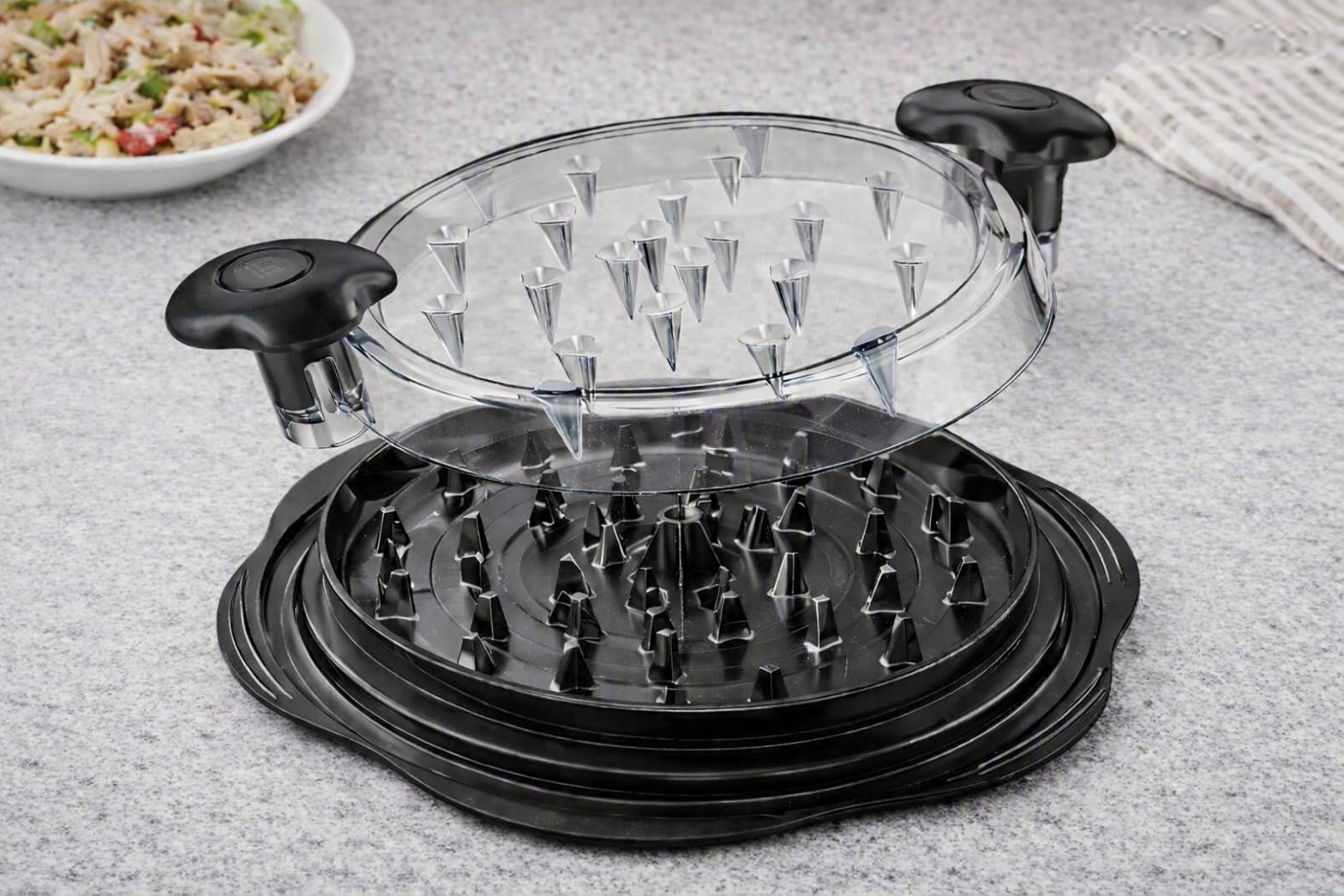
The Chicken Shredder: My Favorite Kitchen Tool for Fast, High-Protein Meals
One of the most underrated challenges in athlete nutrition isn’t cooking the food—it’s making it convenient enough to actually stick with. That’s where the chicken shredder tool comes in. Instead of spending extra time using forks or waiting for meat to cool just enough to pull apart by hand, this tool turns cooked chicken into shredded, ready-to-use protein in seconds.
For busy college athletes, that time savings adds up quickly. Meal prep becomes less of a chore and more of a quick, repeatable system that supports consistent fueling.
 2
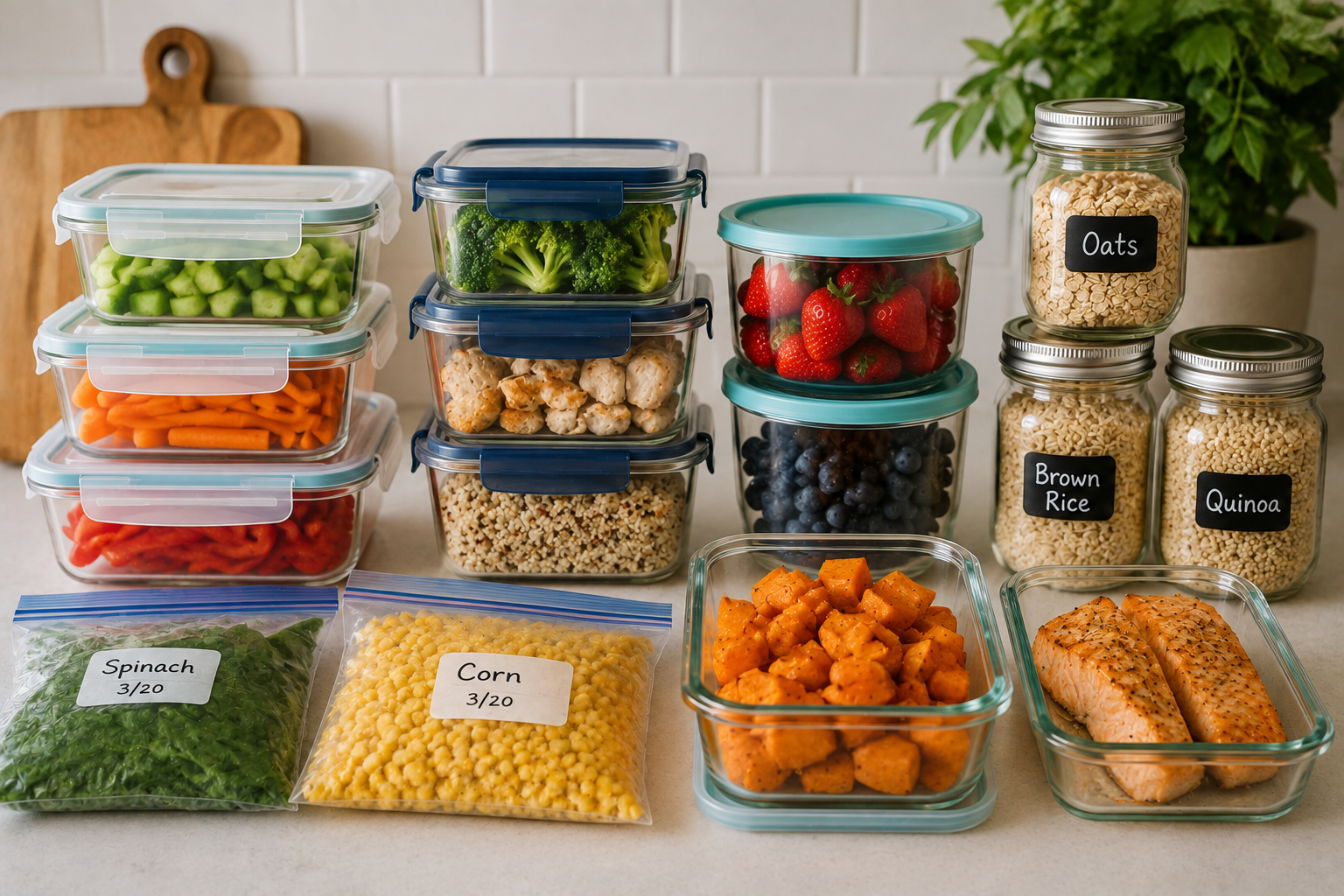
Food Storage
Proper food storage is crucial for maintaining food safety, reducing food waste, and saving money. Understanding the importance of food storage is crucial for college students, busy workers, and anyone preparing meals for the week, as it helps keep food fresh and prevent foodborne illnesses.
 2
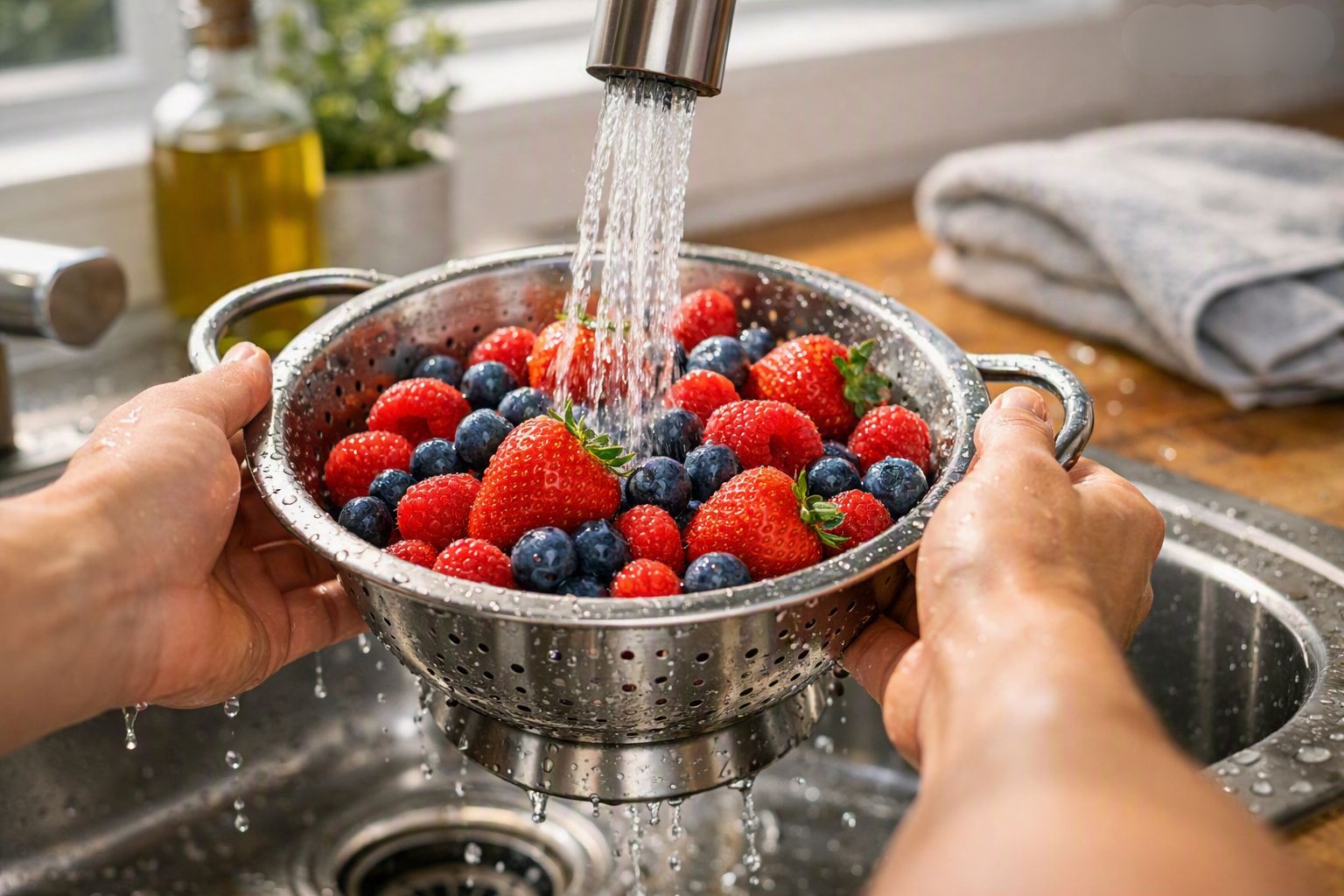
Cooking for One in College: Why It Feels Hard and Why It Doesn’t Have To Be
Most recipes feed four. Most kitchen habits are built around a full fridge, a real stove, and someone who already knows what they’re doing. Nobody really teaches you how to cook for just yourself, and then suddenly you’re in a dorm room with a mini fridge, a microwave, and a dining hall swipe you forgot to use before it expired. For students, that first semester can feel like a crash course in figuring out how to actually feed yourself. For parents, it’s a different kind of worry: you spent years making sure there was always something in the fridge, and now you’re handing that over to someone who maybe made scrambled eggs once. This guide is for both of you.
2
The Apartment Starter Kit: Upgrading Your Setup From Dorm to Real Kitchen
You have an actual kitchen now. Here’s how to use it without overcomplicating it. The goal is the same as it was in the dorm: a small, intentional setup that actually gets used. Just with a little more room to grow.
Course Catalog
apartment cooking athlete nutrition avocado bacon Banana beginners beverage bread buffalo sauce caffeine cake Campus Dining Hacks carbohydrates cheese chia seeds Chicken chickpeas chocolate coconut oil coffee Dorm Cooking dorm cooking Easy Protein Sources Eating on a Budget eggs Featured Food Labels Simplified Food Safety Foundations General Nutrition Granola Greek yogurt healthy eating Hydration hydration macronutrients meal prep Meal Prep Basics milk Nutrition Basics oats Peanut butter pumpkin Reheating food Sports Nutrition sports nutrition Sugar Supplements supplements Wellness